WhatsApp Image 2025-12-08 at 4.23.30 PM

HATOF Foundation Highlights Role of Civil Society at Launch of Ghana’s National Adaptation Plan

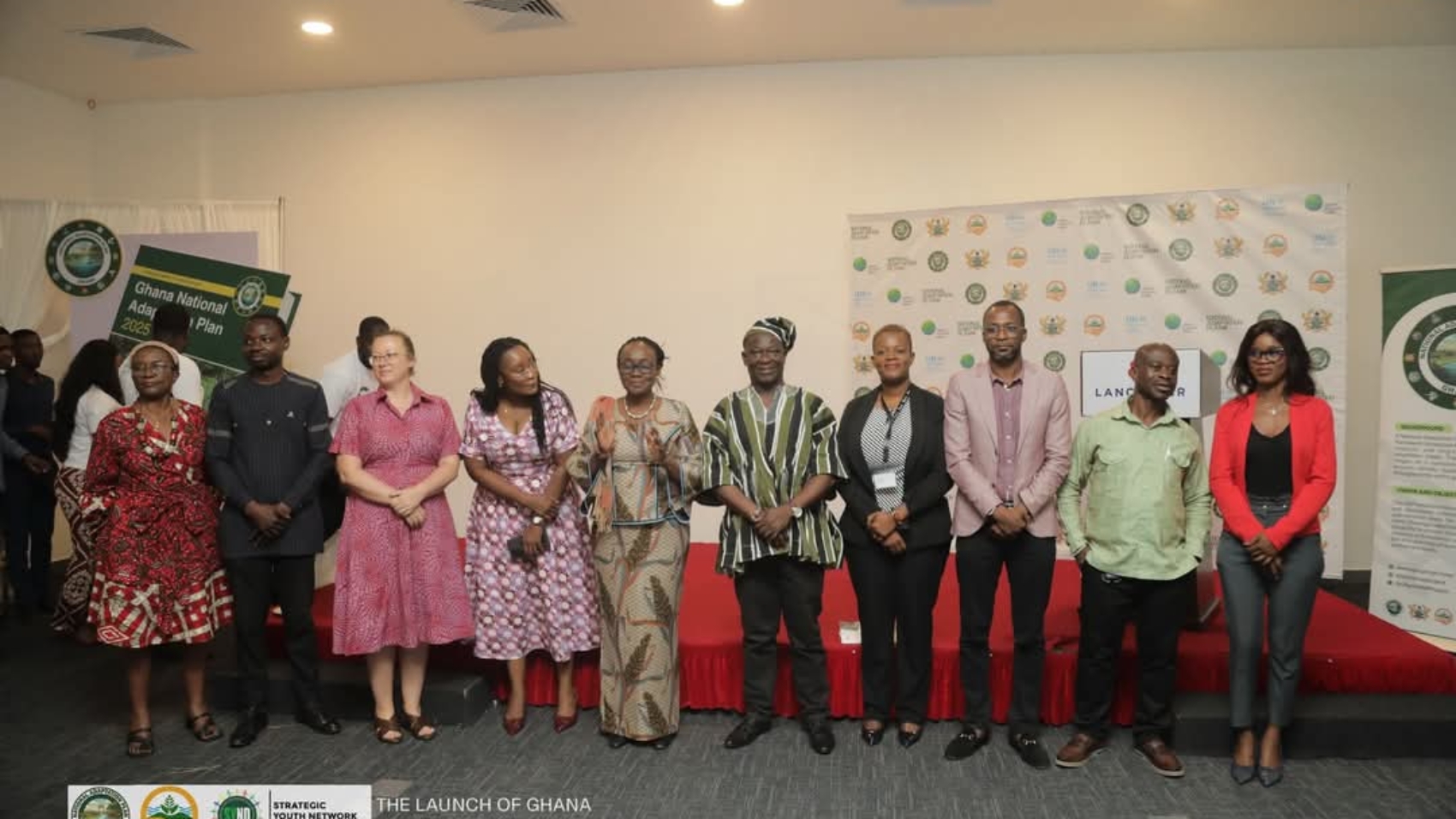
Accra, Ghana – 4 December 2025: HATOF Foundation joined national leaders, development partners, and stakeholders at the official launch of Ghana’s National Adaptation Plan (NAP) held at the Lancaster Hotel in Accra. The launch marks a major milestone in the country’s climate resilience efforts, providing a long-term framework to guide adaptation priorities across sectors, communities, ecosystems, infrastructure, and livelihoods.

Representing the Foundation, Deputy CEO Ms. MaryJane Enchill delivered a statement emphasizing the vital contribution of civil society organizations (CSOs) in driving inclusive, community-led climate adaptation in Ghana.

In her remarks, Ms. Enchill emphasized that CSOs remain closest to community realities and therefore play a crucial role in ensuring that national adaptation strategies reflect the lived experiences of communities.

“Civil society is uniquely positioned to bring forward real, first-hand information about local vulnerabilities, needs, and opportunities. Our role is to ensure that national plans are grounded in community realities, not just broad assumptions,” she noted.

She outlined several initiatives through which HATOF has strengthened the participation, capacity, and impact of civil society in Ghana’s climate response. These include:

  • A GEF-SGP–funded Capacity Development and Knowledge Management Project, which enhanced CSO capacity to engage effectively in national and sub-national planning and policy processes.
  • The GCF CSO Readiness Project, through which HATOF trained 40 CSOs across 10 networks on climate policy, project design, monitoring, evaluation, and financing, boosting civil society’s ability to contribute to Ghana’s Nationally Determined Contributions (NDCs) and wider adaptation priorities.
  • Community-based biodiversity restoration and nature-based solutions initiatives that support both climate resilience and local livelihoods.

According to Ms. Enchill, these experiences demonstrate a proven model in which empowered and knowledgeable CSOs help deliver more grounded and meaningful climate adaptation outcomes.

As Ghana begins implementing the NAP, HATOF reaffirmed the shared responsibility of civil society in achieving national adaptation goals. Ms. Enchill outlined three core commitments CSOs bring to the process:

  • Amplifying community voices to ensure local realities shape adaptation interventions.
  • Supporting implementation through on-the-ground restoration, livelihood, and climate-resilience projects.
  • Facilitating access to climate finance by helping develop proposals, mobilize resources, and promote transparency in implementation.

Ms. Enchill reiterated that successful adaptation requires strong, coordinated partnerships between government, communities, and civil society.

“Achieving a climate-resilient Ghana requires more than top-down planning. It demands collaboration, inclusion, and the full engagement of communities. HATOF is ready and committed to playing this role today and in the years ahead,” Ms. Enchill concluded.

She pledges HATOF’s commitment to collaborating with partners at all levels to support the implementation of the National Adaptation Plan and promote a more resilient, inclusive, and sustainable future for Ghana.
WhatsApp Image 2025-11-18 at 1.22.06 PM

HATOF Foundation Leads High-Level Climate–Health Dialogue at COP30 Brazil, Belém 🇬🇭🇧🇷

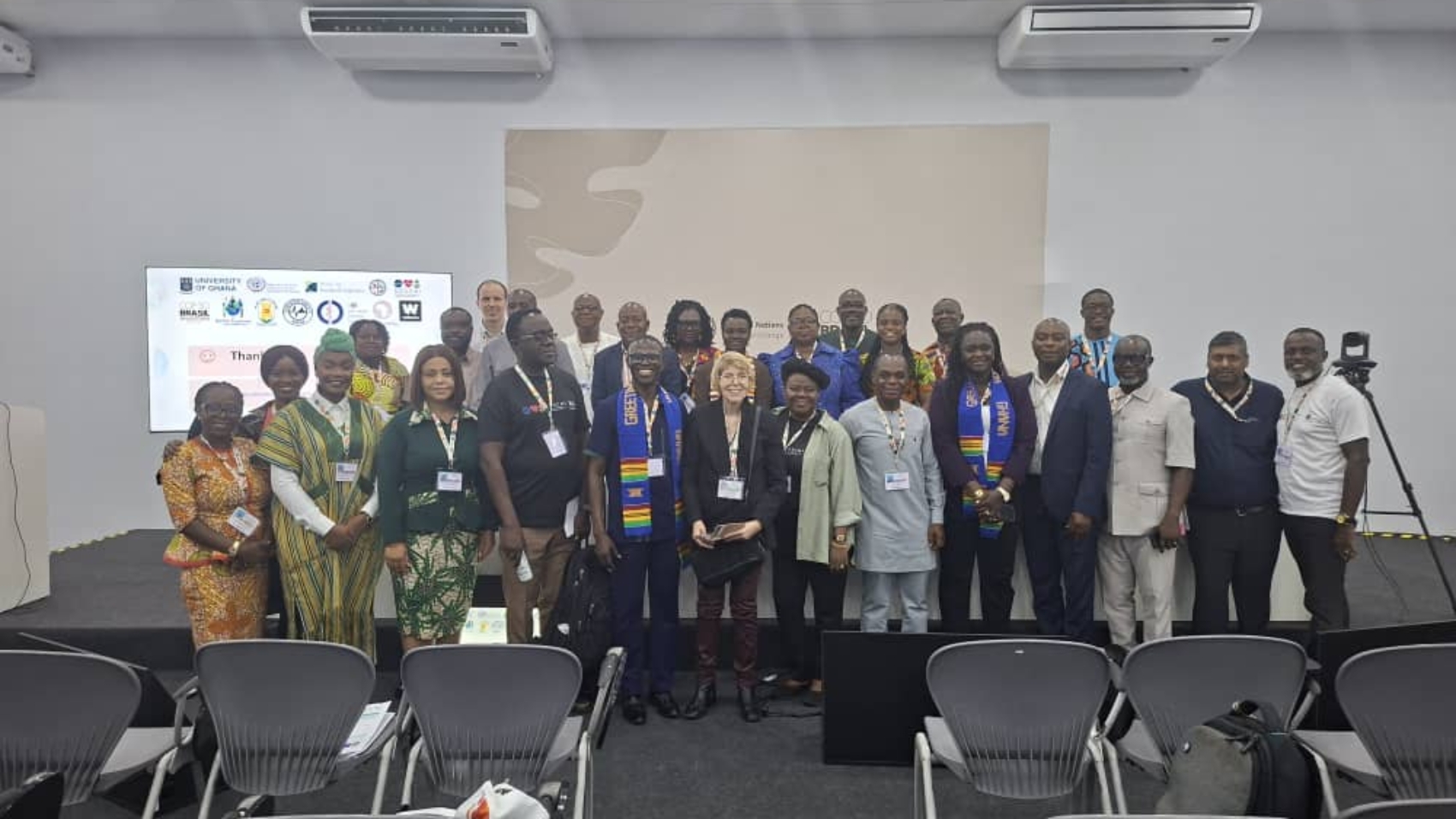
17 November 2025 –Belém, Brazil: HATOF Foundation, in partnership with the government of Ghana, the Regional Institute for Population Studies, University of Ghana, and the SOSCHI global project team, convened a high-level official side event on the sidelines of ongoing United Nations Thirtieth Climate Change Conference (COP30) in Belem, Brazil to present groundbreaking evidence on climate-health interactions and the urgent data needs for climate-informed policy. The event brought together senior government leaders, international experts, and civil society actors committed to integrating health outcomes into climate action.

In attendance were key national leaders, including Prof. Nana Ama Browne Kluste, Chief ExecutiveOfficer of the Environmental Protection Agency; Dr. Huge Brown, CEO of the Forestry Commission; and Dr. Nii Moi Thompson, Chairman of the National Development Planning Commission, reflecting Ghana’s strong political commitment to climate-health resilience.

Opening Remarks by Dr. Samuel Dotse, CEO, HATOF Foundation

Dr. Dotse underscored the importance of placing vulnerable communities at the centre of climate action. Highlighting HATOF’s community-based adaptation initiatives, he noted that climate change is already reshaping health risks and livelihoods across Ghana. He emphasized the need for stronger evidence systems, deeper collaboration, and investments that ensure resilience, particularly for communities facing multiple climate and health vulnerabilities.

Referencing HATOF’s flagship interventions, Dr. Dotse showcased:

  • The ACTUATE Waste-to-Energy Project, implemented with CSIR Ghana and Lancaster University, which installs anaerobic digesters in schools and communities to convert waste into biogas and fertilizer. The project improves sanitation, reduces methane emissions, enhances school gardens, and lowers disease risks — a model climate-health solution.
  • Restoration of over 4,000 hectares of degraded landscapes and coastal zones, including mangrove rehabilitation, tree planting, and soil restoration, benefiting more than 1,000 community members trained in sustainable land use.
  • The GCF CSO Readiness Programme, which built the capacity of 40 civil society organisations across 10 networks, enabling them to mobilize climate finance, engage with national climate frameworks such as NDCs and NAPs, and lead community-based resilience actions.

Key Findings from SOSCHI & Ghana Statistical Service Presentations

Dr. Aaaron Christian from the Regional Institute for Population Studies, University of Ghana, presented cutting-edge research under the Standards for Official Statistics on Climate-Health Interactions (SOSCHI) project, offering one of the most comprehensive analyses of how climate variables affect health outcomes in Ghana.

Major findings included:

1. Cerebrospinal Meningitis (CSM)

  • Dust–dryness conditions sharply increase CSM cases, while humidity reduces the effect.
  • Solar radiation and wind further amplify CSM risk.

2. Malaria

  • Extreme temperatures significantly elevate malaria cases across districts.
  • Attributable cases range from 762 in Greater Accra to 7,735 in the Bono Region.

3. Child Undernutrition

  • Rising average temperatures increase the risk of stunting, underweight, and anaemia.
  • Household WASH conditions and caregiving quality account for 9–12% of the mechanisms linking climate and nutrition.

4. Climate Impacts on Health Systems

Health facilities experience major climate-related operational disruptions, including:

  • Flood-induced service interruptions, network failures, and supply chain delays
  • Heat-related fatigue among health workers
  • Water scarcity is affecting hygiene and workflow
  • Infrastructure weaknesses, higher cooling costs, and medicine storage challenges

Integrating Climate-Health Evidence into National and Global Frameworks

Dr. Bernice S. Ofosu-Baadu of the Ghana Statistical Service highlighted the alignment of SOSCHI indicators with the Global Set of Climate Change Statistics and Indicators and the Framework for the Development of Environment Statistics (FDES). She emphasized:

  • The need for harmonized statistical systems to track climate-related diseases, undernutrition, and health system vulnerability
  • Current challenges such as fragmented data sources, limited technical capacity, sparse monitoring networks, and resource constraints
  • The importance of strengthening national statistical systems to deliver coherent, policy-relevant climate-health evidence that connects to global reporting frameworks

Strengthening the Belém Health Action Plan (BHAP)

The evidence presented strongly supports the Belém Health Action Plan by demonstrating:

  • The need for climate-informed early warning systems
  • Integrated multi-hazard approaches covering health, environment, WASH, and nutrition
  • Standardized climate-health indicators for tracking vulnerability and adaptation progress
  • The importance of building resilient health systems capable of withstanding climate shocks

Conclusion

The side event reaffirmed HATOF Foundation’s leadership in advancing climate-health research, community-based adaptation, and national statistical reforms. The participation of Ghana’s top-level policy leaders signaled a strong national commitment to ensuring climate-health evidence translates into concrete action.

The HATOF Foundation and its partners have called for sustained investment in climate-health data systems, cross-sector collaboration, and community-centered adaptation strategies as Ghana and the world pursue a healthier, climate-resilient future.