rso250915-02-0336

Keta Port After SoNA: Redefining Ghana’s Blue Economy And Maritime Future

Introduction

The 2026 State of the Nation Address, delivered on 28 February 2026, provided a constitutionally grounded platform for President John Dramani Mahama to outline national priorities under Article 69 of the 1992 Constitution of Ghana, which empowers the President to present proposals, reports, and directives to Parliament on matters of national governance and strategic development.

In his address to the good people of Ghana, His Excellency John Dramani Mahama, the president of the Republic, announced that the Cabinet had reviewed the feasibility study and designs for the proposed Port of Keta, and directed the Ghana Ports and Harbours Authority (GPHA) to submit an action plan and roadmap for its expeditious realisation.

This positions the Keta Port project to transition from concept validation into execution planning and implementation, signalling high-level strategic commitment. Among several forward-looking proposals, the Keta Port stands out for me, a native of Atiavi/ Netsime/Asadame, as a transformative infrastructure project with the potential to diversify Ghana’s coastal economic base and strengthen the blue economy and the sustainable use of marine and coastal resources for growth, jobs, and improved livelihoods for the youth who hail from the region and beyond.

Economic and Strategic Significance

Strategically located along Ghana’s eastern coast near the Keta Lagoon Complex Ramsar Site, the port is designed to complement existing facilities at Tema Port while unlocking new opportunities for trade, logistics, and industrial development. Its deepwater design will enable it to handle containerised, bulk, and general cargo, which is vital for both domestic hinterland distribution and regional commerce.

Ports as economic multipliers.

Research shows that every direct port job in operations, logistics, and terminal handling can generate 3–5 indirect jobs in transport, warehousing, services, and manufacturing.

International benchmarking

At the Port of Mombasa, port-related economic activities contribute roughly 2–3% of national GDP and support over 100,000 jobs. In South Africa, the Port of Durban contributes nearly 5% of the regional GDP when supply chain linkages are included. If the Keta Port achieves similar efficiency, even an initial Phase 1 handling 500,000 TEUs annually would translate to ~7 million tons of cargo per year, supporting 20,000–30,000 direct and indirect jobs and generating a measurable GDP contribution of 1–2%.

This illustrates the tangible economic significance of the port, beyond abstract container metrics. Strategically, the Keta Port is also positioned to enhance regional trade integration, particularly along the Togo–Ghana corridor. In contrast to Port of Lomé, which serves as a regional transshipment hub, Keta’s value proposition lies in its combination of industrial linkages, hinterland logistics, and integrated multimodal access, creating a complementary rather than duplicative role in West Africa’s maritime landscape.

Implementation Roadmap, Financing, and Institutional Responsibilities

With the Cabinet’s endorsement, the next step is for GPHA to prepare a detailed action plan and implementation roadmap. This plan will guide the project through phased development, including design verification, procurement, construction, commissioning, and eventual port operations.

Implementation Phased Approach

  • Phase 1: Engineering verification, environmental compliance updates, and stakeholder engagement.
  • Phase 2: Procurement of contractors, dredging works, breakwater, and quay construction.
  • Phase 3: Terminal equipment installation, connectivity integration, and pilot operations.

Financing Strategy Large ports require substantial capital, estimated between US$1 billion and US$2.5 billion, depending on scale. GPHA is expected to explore: Public–Private Partnerships (PPP) Concession Models with experienced port operators; Multilateral financing from the World Bank, African Development Bank, and export credit agencies; and multilateral climate finance institutions. A clearly defined financing plan will be essential to ensure bankability and investor confidence.

ADVISORY NOTE: Institutional Leadership

While GPHA is the technical lead, ministry-level oversight is essential. A hybrid approach with the Ministry of Transport providing policy guidance ensures alignment with national infrastructure, industrialisation, and blue economy priorities. Supporting agencies include the Ministry of Finance for funding and budget approvals; the Ministry of Environment for EIA compliance and ecological safeguards; and the Ministry of Trade & Industry for industrial integration and regional trade. This hybrid institutional model balances technical execution with strategic governance, reflecting international best practices.

Environmental Sustainability and Climate Resilience

From inception, the port should be designed as a low-carbon, climate-adaptive facility that does not disrupt the ecological integrity of the Keta Lagoon Complex Ramsar Site, one of West Africa’s most important coastal wetland systems.

  • Climate-Resilient Infrastructure Design

Keta’s coastline is vulnerable to sea-level rise, storm surges, and erosion. Port design must include elevated quays, reinforced breakwaters, flood-resilient drainage, and sediment management systems. Nature-based solutions such as mangrove restoration should complement engineering works. Early climate modelling ensures long-term resilience and reduces costly retrofitting in future decades.

  • Low-Carbon and Energy-Efficient Operations

Keta should align with global decarbonization standards through shore-to-ship power, solar-powered terminals, and electrified cargo-handling equipment. Efficient logistics planning can reduce truck congestion and emissions. Integrating renewable energy and energy-efficient systems lowers operational costs, strengthens competitiveness, and improves access to climate finance and green investment opportunities.

  • Protection of the KLCRS Ecosystem

The Keta Lagoon Complex Ramsar Site supports fisheries, migratory birds, mangroves, and local livelihoods. Development must include a comprehensive Environmental and Social Impact Assessment, ecological buffer zones, sediment control, and continuous water-quality monitoring. Protecting hydrological flows and biodiversity will prevent habitat degradation and ensure economic growth does not undermine ecological stability.

  • Blue Economy Integration

A green Keta Port should strengthen, not displace, coastal livelihoods. Modern cold-chain facilities can boost sustainable fisheries exports, while marine research and environmental monitoring enhance ecosystem management. Linking logistics to eco-tourism and sustainable resource use will promote inclusive growth without ecological trade-offs.

  1. The Keta Port and Ghana’s Blue Economy

The Keta Port is central to Ghana’s blue economy strategy, supporting trade, fisheries, aquaculture, tourism, and coastal industrialisation. With multimodal connectivity, the port can anchor regional logistics ecosystems while creating high-value jobs and promoting sustainable use of marine resources.

International Benchmarking: Lessons for Keta Port

International evidence shows that cargo volumes are closely linked to infrastructure scale, connectivity, and economic integration.

The Port of Lomé, Togo, handles 1,000,000+ TEUs and approximately 14 million metric tonnes (MT) of cargo annually. This scale contributes an estimated 3–4% of Togo’s GDP and supports tens of thousands of jobs. These figures indicate that even in a relatively small economy, a well-positioned deep-water port can become a national economic pillar when structured around transshipment and Special Economic Zones (SEZs). The high TEU-to-GDP relationship reflects the port’s importance as a regional transit hub rather than a purely domestic trade facility.

The Port of Durban, South Africa, processes 2,500,000+ TEUs and roughly 35 million MT of cargo yearly. It contributes about 5% of regional GDP and supports around 150,000 jobs. The implication is clear: diversified cargo streams (containers, automotive, bulk commodities) combined with rail and road integration create strong multiplier effects across manufacturing, warehousing, and logistics sectors.

The Port of Mombasa, Kenya, records 1,200,000+ TEUs and approximately 16.8 million MT annually. Its estimated 2–3% contribution to GDP and support for about 100,000 jobs demonstrate how a regional gateway serving landlocked countries can structurally elevate national economic output. Transit trade significantly expands cargo beyond domestic consumption levels.

At the global level, the Port of Rotterdam, the Netherlands, handles 14,000,000+ TEUs and nearly 196 million MT of cargo annually. It supports hundreds of thousands of jobs and is a major contributor to the national GDP. The scale reflects deep drafts exceeding 20 meters, extensive industrial clustering, and advanced logistics systems. The high metric tonnage illustrates strong bulk and petrochemical activity alongside containerized trade.

Across all four cases, three conclusions emerge from the data:

  • TEU volumes correlate strongly with industrial integration.
  • GDP contribution between 2–5% signals that ports function as macroeconomic growth engines.
  • Employment figures show that port development has a significant social impact beyond maritime operations
  1. Strategic Positioning and Quantitative Potential of Keta Port

Keta’s eastern coastal location provides structural advantages distinct from Ghana’s existing ports, namely the Port of Tema and the Port of Takoradi. While Tema dominates container traffic and Takoradi supports bulk exports, cargo concentration in a single primary hub increases congestion risk and logistical vulnerability.

Preliminary development assumptions for Keta suggest:

  • Potential dredged depth: 15–18 meters (suitable for Panamax/Post-Panamax vessels)
  • Initial throughput potential: 500,000–800,000 TEUs
  • Bulk cargo potential: petroleum products, agro-exports, solid minerals
  • Greenfield expansion space: suitable for logistics parks and SEZ integration

If Keta Port reaches even 700,000 TEUs annually, benchmarking ratios suggest that it could generate a measurable macroeconomic impact. Using Lomé and Mombasa as comparators, such throughput could support 30,000–50,000 jobs directly and indirectly. Over time, the GDP contribution could reasonably approach 1.5–3%, depending on industrial linkages and the capture of transit trade.

Importantly, Keta’s proximity to Togo and integration into the eastern corridor position it as a potential transit outlet to Burkina Faso and Niger. Transit cargo would elevate volumes beyond Ghana’s domestic demand base, replicating the structural drivers seen in Mombasa and Lomé.

Within this framework, developing Keta Port represents a technically grounded and economically rational decision. Even at conservative throughput levels, the comparative evidence suggests that it would be a strong contributor to national output, regional trade competitiveness, and long-term socio-economic transformation.

Conclusion

President Mahama’s directive moves Keta Port from concept to execution under constitutional authority and Cabinet approval. With GPHA leading technical implementation under ministry oversight, integrated financing, environmental safeguards, and lessons from global benchmarks, Keta Port is poised to handle millions of tons of cargo annually, support tens of thousands of direct and indirect jobs, contribute 1.5 -3 % of national GDP, and anchor Ghana’s blue economy strategy and regional trade integration. If executed effectively, the Keta Port will not simply be a port facility; it will be a transformational, resilient infrastructure project that redefines Ghana’s maritime and economic future.

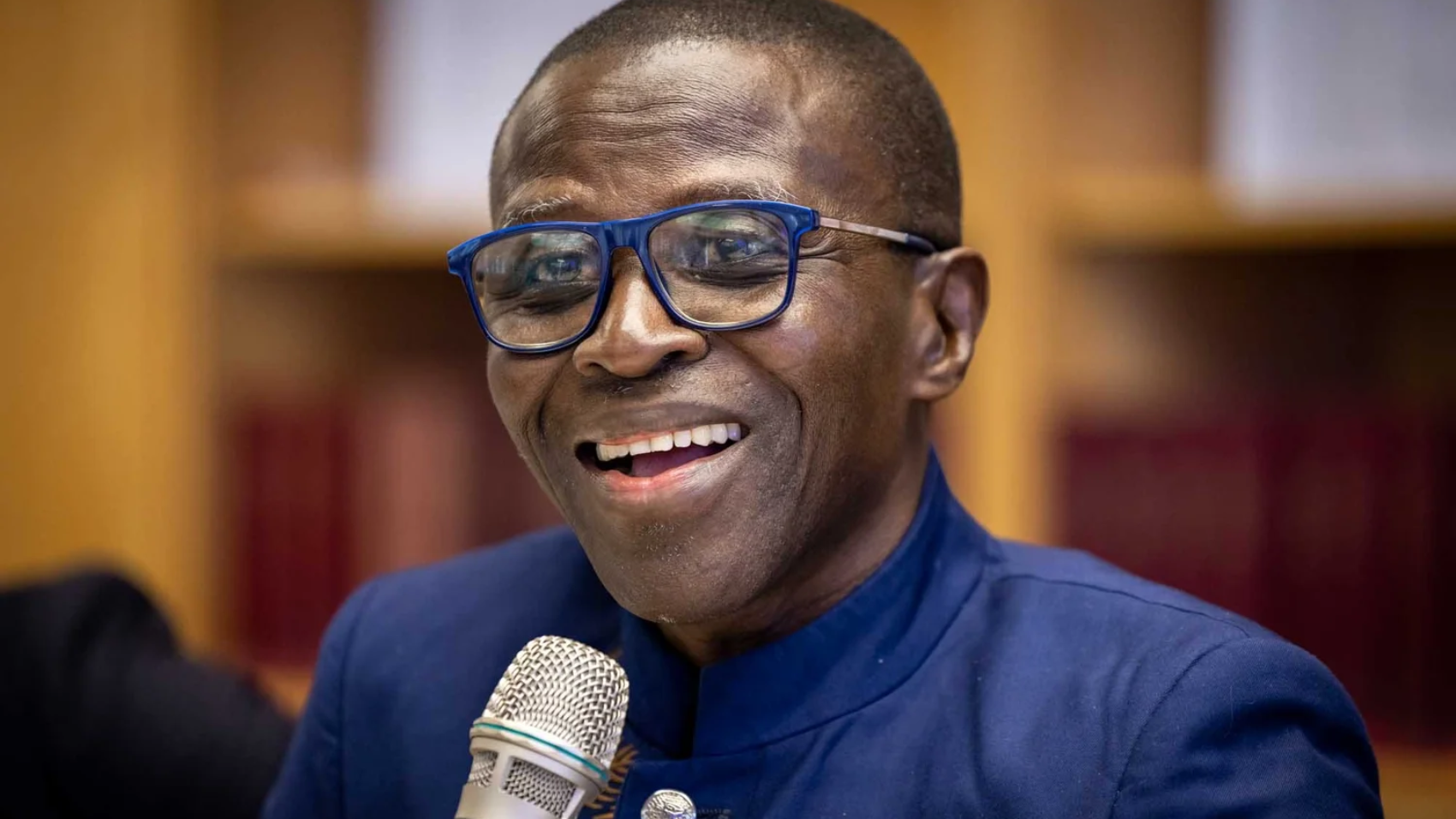
By Dr. Samuel Dotse, CEO HATOF Foundation
WhatsApp Image 2026-03-13 at 9.49.04 AM

HATOF Participates in Workshop on Electric Mobility Regulation in Ghana

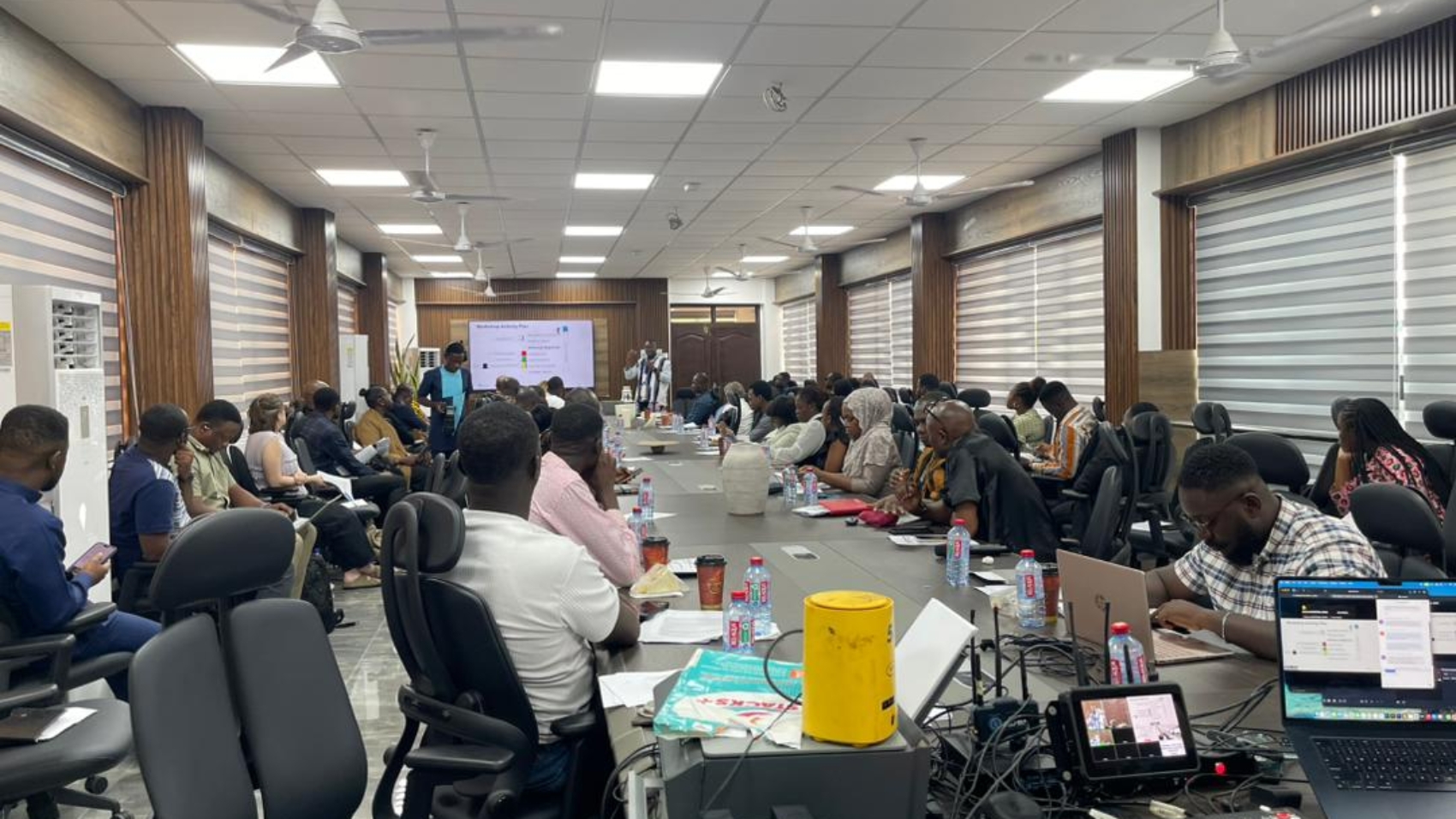
HATOF Foundation participated in a workshop on Ghana’s Supply Side Regulation for Electric Vehicles, organised by the Regional Centre for Energy and Environmental Sustainability (RCEES) at the University of Energy and Natural Resources (UENR) under the Moving Impact Project.

The workshop, held on 2 March 2026 at the Ministry of Transport in Accra, brought together policymakers, researchers, development partners, private sector actors, and civil society organisations from Ghana and the United Kingdom to discuss strategies for advancing electric mobility across Sub-Saharan Africa.

HATOF Foundation was represented at the workshop by its Senior Programmes, Partnerships and Climate Change Officer, reaffirming the organisation’s continued engagement in climate policy dialogue, sustainable mobility initiatives, and green development advocacy.

Strengthening Ghana’s Electric Mobility Ecosystem

The workshop provided a platform for stakeholders to examine Ghana’s emerging electric mobility landscape and the policy frameworks being developed to support the transition to cleaner transport systems.

Participants discussed the growing importance of electric mobility in addressing environmental challenges, particularly the transport sector’s contribution to greenhouse gas emissions. With the transport sector accounting for a significant share of energy-related emissions in Ghana, the adoption of electric vehicles (EVs) presents an opportunity to reduce emissions, improve air quality, and strengthen energy efficiency.

Presentations during the workshop highlighted Ghana’s early progress in developing an electric vehicle market, including increasing registration of electric vehicles such as plug-in hybrid vehicles, battery electric vehicles, and electric two-wheelers.

Policy and Regulatory Developments

A key focus of the workshop was Ghana’s National Electric Vehicle Policy, which outlines the country’s vision for promoting the adoption and utilisation of safe, affordable electric vehicles.

The policy seeks to promote sustainable EV demand, strengthen EV supply chains, support research and innovation, develop human capital, and position Ghana as a potential hub for lithium-ion battery production. It also proposes a phased implementation strategy aimed at gradually increasing electric vehicle penetration across the national vehicle fleet.

Participants also discussed proposed Supply-Side Regulations, including the introduction of a Zero-Emission Vehicle (ZEV) Sales Standard, which would require vehicle importers and manufacturers to include a minimum percentage of zero-emission vehicles in their sales portfolios. The regulation is expected to support the steady supply of cleaner vehicles and prevent Ghana from becoming a destination for high-emission vehicles.

Infrastructure and Investment Opportunities

The workshop further explored the infrastructure and investment requirements necessary to support the growth of electric mobility in Ghana.

Stakeholders highlighted the need to expand EV charging infrastructure across the country, including public charging stations in urban centres, charging networks along major transport corridors, and battery-swapping facilities.

Discussions also identified several opportunities for private sector investment within the EV ecosystem, including vehicle assembly, battery production and recycling, charging infrastructure development, and software platforms for fleet and charging management.

In addition, participants explored innovative financing mechanisms that could support the transition to electric mobility, including the potential establishment of a Green Transport Development Fund to finance infrastructure development, research, and incentives for EV adoption.

Advancing Sustainable Transport in Ghana

The workshop underscored the importance of coordinated policy frameworks, regulatory reforms, and private sector participation in accelerating the adoption of electric mobility.

For HATOF Foundation, participation in the workshop provided valuable insights into emerging opportunities within Ghana’s sustainable transport sector and reinforced the organisation’s commitment to supporting climate-friendly development pathways.

HATOF Foundation continues to engage in national and international policy dialogues that contribute to climate action, sustainable energy systems, and environmentally responsible development in Ghana and across Africa.

Untitled design

From Diplomacy to Arbitration: Ghana moves maritime boundary dispute with Togo to ITLOS

Introduction

Ghana has formally escalated its maritime boundary dispute with Togo to international arbitration under the United Nations Convention on the Law of the Sea (UNCLOS), marking a significant shift from prolonged diplomatic negotiations to a legally binding adjudication.

The move comes after eight years of bilateral discussions that failed to produce a mutually acceptable agreement, highlighting the complexity of maritime governance in the resource-rich Gulf of Guinea.

To “delimit” a maritime boundary means to legally define and draw the line in the sea that separates the maritime zones of two neighbouring countries. Just as land borders divide territories on land, maritime boundaries divide rights and responsibilities at sea.

Under UNCLOS, coastal states are entitled to several maritime zones, including:

  • Territorial Sea (up to 12 nautical miles),
  • An Exclusive Economic Zone (EEZ) (up to 200 nautical miles), and
  • Rights over the continental shelf, which concerns seabed resources.

When two countries lie next to each other – as Ghana and Togo do – their maritime zones may overlap. Delimitation resolves that overlap by determining which state has sovereign rights over specific areas of water and seabed.

Historical Context of the Dispute

The maritime boundary dispute between Ghana and Togo began to take concrete shape in December 2017 and May 2018, when Togolese authorities halted two Ghanaian seismic survey vessels conducting deep-sea data acquisition in an area near the border that Ghana considered part of its offshore maritime zone.

Togo claimed that the vessels were operating in waters within its own claimed area, leading to the first significant flashpoints in the disagreement.

These incidents occurred shortly after Ghana won its maritime boundary case against Côte d’Ivoire in September 2017 at the International Tribunal for the Law of the Sea (ITLOS) under the United Nations Convention on the Law of the Sea (UNCLOS).

That ruling provided a binding delimitation of the boundary between Ghana and Côte d’Ivoire, giving Ghana legal clarity on its western maritime frontier.

Following the 2017–2018 incidents with Togo, both countries formed a Joint Maritime Boundary Technical Committee to negotiate a mutually acceptable boundary.

Technical teams from Accra and Lomé held multiple rounds of discussions and exchanges. However, these rounds failed to produce agreement because the parties differed on delimitation methodology, baseline coordinates, and interpretation of nautical data. Togo also raised concerns about the presence of Ghanaian naval vessels in the contested area during negotiations.

In 2021, Ghana proposed a formal demarcation line, but Togo rejected the proposal, and neither side could bridge the substantive differences.

After eight years of bilateral negotiations without achieving a settlement, the Government of Ghana notified Togo in February 2026 of its decision to pursue international arbitration under UNCLOS to secure a legally binding delimitation of the contested maritime boundary.

Legal Context of the Dispute

This dispute is governed by the United Nations Convention on the Law of the Sea (UNCLOS), which establishes the legal framework for the delimitation of maritime boundaries between states with adjacent or opposite coasts, as set out in Articles 74 and 83.

Article 74 requires states with overlapping exclusive economic zones (EEZs) to reach an equitable solution through agreement, taking into account relevant circumstances. Similarly, Article 83 requires states with overlapping continental shelf claims to cooperate to achieve equitable boundary delimitation and provides that, if negotiations fail, parties may resort to conciliation, arbitration, or adjudication under Part XV of UNCLOS.

Ghana’s prior case with Côte d’Ivoire, in which arbitration before a Special Chamber of ITLOS from 2014 to 2017 resulted in a binding delimitation of the maritime boundary, demonstrates the procedural and legal precedent for seeking a binding resolution through international adjudication rather than unilateral measures.

Globally, the move resonates with the maritime governance principles of the High Seas Treaty, or Biodiversity Beyond National Jurisdiction (BBNJ) Treaty, which entered into force on January 17, 2026. It emphasizes the orderly management of marine resources and transboundary cooperation. Though the disputed waters lie within EEZs, arbitration ensures clarity of jurisdiction and predictable governance.

Regionally, the African Charter on Maritime Security, Safety and Development in Africa (Lomé Charter), adopted by the African Union in October 2016, provides guidance to AU member states on resolving maritime disputes peacefully, promoting security, and ensuring sustainable and equitable use of offshore resources.

By seeking arbitration, Ghana demonstrates adherence to these continental norms, signalling its commitment to rules-based dispute resolution and regional cooperation.

Economically, the arbitration aligns with Ghana’s Blue Economy strategy, which emphasises the sustainable exploitation of ocean resources, including fisheries, hydrocarbons, and shipping lanes.

Clear boundary delimitation provides legal certainty for investors, enhances resource management, reduces the risk of conflict, and supports long-term national development planning.

Through arbitration, Ghana seeks not only a legal resolution but also a framework for long-term cooperation, resource security, and rule-based governance, consistent with both regional expectations and international maritime law principles.

Current Arbitration Process and Legal Mechanism

The ITLOS arbitration process requires Ghana and Togo to submit legal, technical, and historical evidence, including hydrographic surveys and historical documentation.

Ghana’s recourse to ITLOS aligns with:

  • Article 286 – allowing arbitration if negotiations fail.
  • Article 288 – confirming tribunal awards are final and binding.
  • Articles 74 & 83 – guiding equitable delimitation of EEZs and continental shelves.
  • Article 15 – ensuring the equidistance principle for adjacent coasts.

Beyond the legal framework provided by UNCLOS, Ghana’s ability to present a coherent and technically sound case rests significantly on the work of the Ghana Boundary Commission.

Institutional Backbone: The Ghana Boundary Commission

Established under the Ghana Boundary Commission Act, 2010 (Act 798), and hosted under the Ministry of Lands and Natural Resources (MLNR), the Ghana Boundary Commission (GhBC) serves as the principal national authority responsible for the delimitation, demarcation, and management of Ghana’s land and maritime boundaries.

In the present dispute, the Commission provides the technical and evidentiary backbone for Ghana’s recourse to arbitration under UNCLOS Articles 15, 74, 83, 286, and 288. It undertakes hydrographic and geodetic surveys, prepares official maritime charts and coordinates, and develops equidistance lines consistent with international law. These technical outputs form the foundation of Ghana’s legal submissions before an arbitral tribunal.

Why This Matters: Oil and Gas, Fisheries, and Economic Stability

Maritime boundaries are not abstract legal lines; they determine real economic rights.

The waters in question are believed to contain offshore oil and gas deposits and valuable fisheries. A clearly defined boundary, therefore, determines:

  • Which country can explore and extract hydrocarbons,
  • Who regulates fishing activities,
  • Who licenses offshore operations, and
  • Who collects revenues.

Without delimitation, uncertainty persists. Investors hesitate. Regulatory enforcement becomes complicated. Diplomatic friction increases.

Implications of the Arbitration Process for Ghana

Economic Diplomacy

Ghana’s maritime arbitration represents strategic economic diplomacy, demonstrating the country’s ability to protect national interests through legal frameworks while maintaining cordial relations with neighbouring states, especially Côte d’Ivoire, Togo, Benin, and Nigeria.

The arbitration also serves as a signal to investors and regional partners that disputes are managed in a predictable, transparent, and legal manner, thereby enhancing confidence in offshore investment opportunities.

Furthermore, economic diplomacy also provides leverage for joint development agreements and investment treaties, fostering sustainable exploitation of oil, gas, and fisheries while ensuring compliance with international and continental legal frameworks.

This reinforces Ghana’s maritime credibility, strengthens its bilateral and regional diplomatic relationships, and establishes a template for responsible maritime governance in Africa.

Regional Integration

The arbitration process contributes to broader West African and African Union objectives for regional integration. Peaceful dispute resolution through ITLOS demonstrates that legal mechanisms can support institutional coordination, cross-border resource management, and collective maritime security.

Clear boundaries facilitate joint monitoring, coordinated fisheries enforcement, and maritime safety operations, enhancing cooperation among AU member states.

The Lomé Charter positions regional integration as a core strategy for maritime governance. Articles 30, 32, 34, and 37 of the Charter mandate cooperation in resource exploitation, crime prevention, intelligence sharing, and structural alignment with Regional Economic Communities, reinforcing collective approaches over purely national strategies.

Arbitration also promotes a predictable legal environment, which is essential for cross-border trade, shipping, and investment, thereby supporting regional stability.

Conclusion

Ghana’s referral of the maritime dispute to ITLOS exemplifies the effective use of international law to resolve complex maritime conflicts. By invoking UNCLOS arbitration (Articles 15, 74, 83, 286, 288) and aligning with the Lomé Charter, Ghana ensures a rules-based, impartial, and legally binding outcome, while reinforcing regional cooperation.

Author: Dr Samuel DotseChief Executive Officer, HATOF FoundationFormer Deputy Presiding Officer, AU ECOSOCC

Picture1

HATOF Contributes to Ghana’s Seventh National Report to the Convention on Biological Diversity

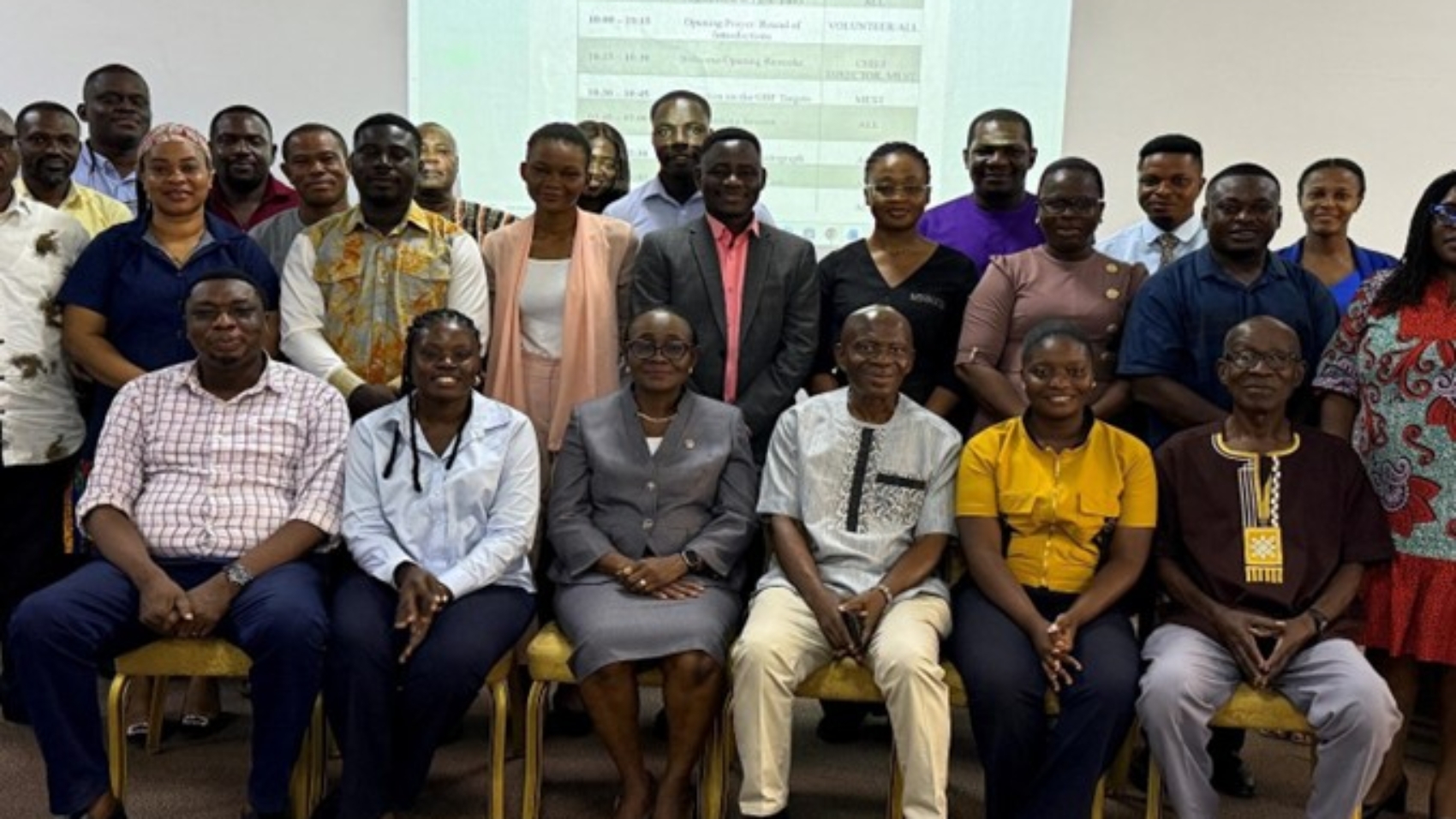
Accra, Ghana -17th February 2026: HATOF Foundation participated in a national stakeholder engagement workshop convened by the Ministry of Environment, Science and Technology (MEST) to review Ghana’s draft Seventh National Report (7NR) to the United Nations Convention on Biological Diversity (UNCBD).

Under the Convention, Parties are required to periodically submit National Reports outlining progress in implementing their National Biodiversity Strategy and Action Plan (NBSAP), including policy measures adopted, programmes implemented, results achieved, and persisting gaps. The current reporting cycle is aligned with the Kunming-Montreal Global Biodiversity Framework (KMGBF), which establishes 23 global targets to be achieved by 2030. These targets span ecosystem restoration, species conservation, pollution reduction, sustainable use, and resource mobilization. National Reports contribute to global monitoring, peer learning, and accountability, and inform deliberations at the next meeting of the Conference of the Parties (COP).

The workshop specifically provided a platform for civil society organizations, and Indigenous Peoples and Local Communities (IPLCs), as non-state actors, to validate and input biodiversity-related interventions into the national reporting template. Emphasis was placed on linking field-level initiatives to relevant KMGBF targets, identifying financing sources, providing verifiable references, and ensuring coherence with Ghana’s National Biodiversity Strategy and Action Plan.

Representing HATOF, Biodiversity Policy and Programmes Officer, Ms. Nyuiemedi participated, and ensured that HATOF’s programme and policy interventions were accurately reflected in the report and properly aligned with applicable targets under the KMGBF, strengthening the evidence base of Ghana’s submission.

HATOF remains committed to supporting the implementation of Ghana’s National Biodiversity Strategy and Action Plan, and engaging constructively in national and global biodiversity governance processes.

WETLANDS DAY

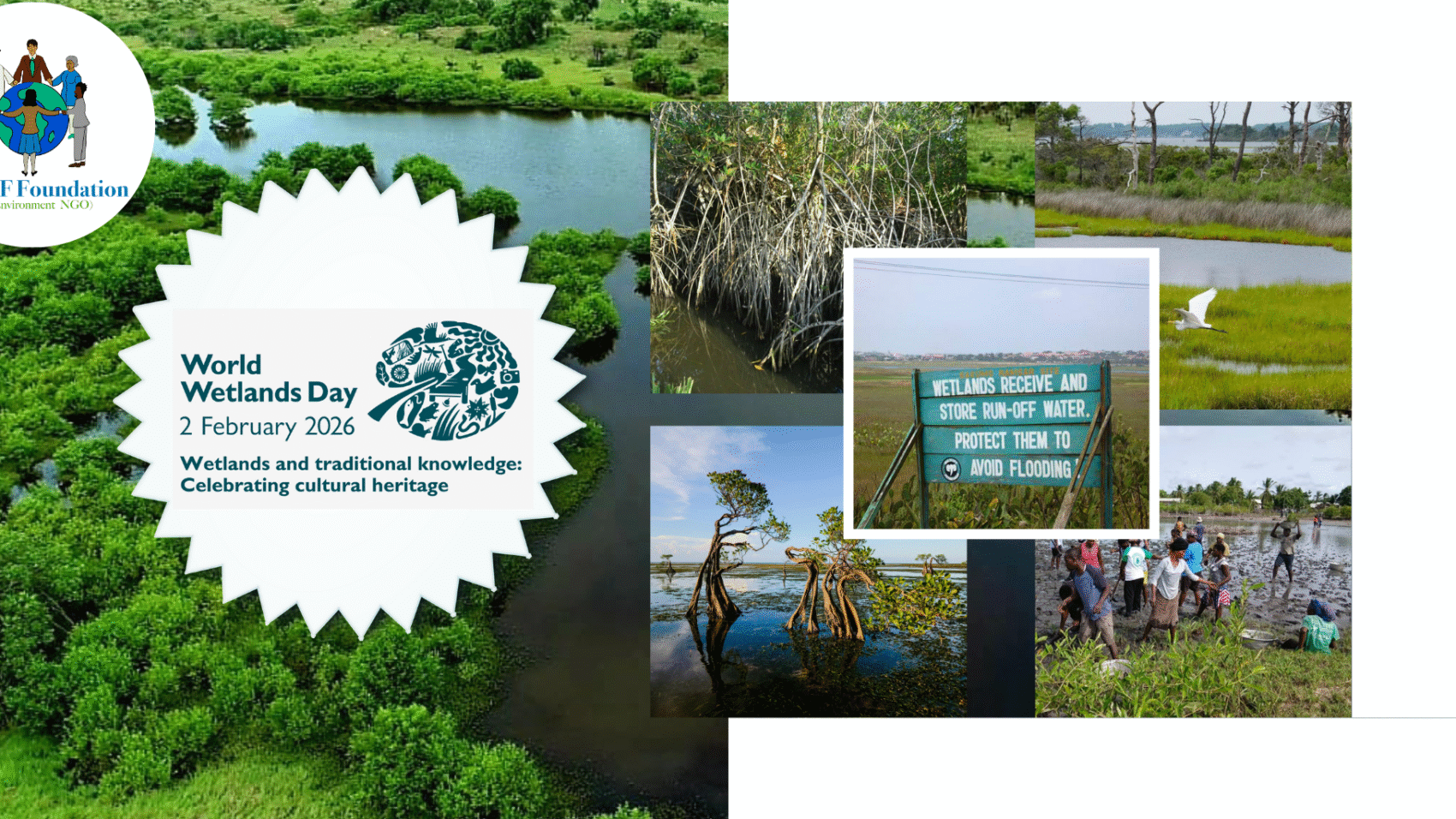
HATOF Foundation Feature – World Wetlands Day 2026“ Protecting Our Wetlands, Securing Our Future: The Keta Lagoon as a Pillar of Ghana’s Ramsar Commitment”

Among the world’s most productive ecosystems are wetlands, which support exceptionally high concentrations of birds, mammals, reptiles, amphibians, fish, and invertebrate species.


To better contextualize their importance, it is essential to understand what wetlands are. According to Article 1.1 of the Convention on Wetlands, also known as the Ramsar Convention (1971), wetlands are defined as:
“areas of marsh, fen, peatland or water, whether natural or artificial, permanent or temporary, with water that is static or flowing, fresh, brackish or salt, including areas of marine water the depth of which at low tide does not exceed six metres.”


For the purposes of protecting sites adjacent to wetlands, Article 2.1 of the Convention further clarifies that wetland: “may incorporate riparian and coastal zones adjacent to the wetlands, and islands or bodies of marine water deeper than six metres at low tide lying within the wetlands.”


While the Convention has classified wetlands into 42 types, five major wetland types are generally recognized:

  • Marine (coastal wetlands including coastal lagoons, rocky shores, and coral reefs);
  • Estuarine (including deltas, tidal marshes, and mangrove swamps);
  • Lacustrine (wetlands associated with lakes);
  • Riverine (wetlands along rivers and streams); and
  • Palustrine (meaning “marshy,” including marshes, swamps, and bogs).

These classifications are further grouped under three broad categories: Marine and Coastal Wetlands, Inland Wetlands, and Human-made Wetlands. Human-made wetlands include fish and shrimp ponds, farm ponds, irrigated agricultural land, salt pans, reservoirs, gravel pits, sewage farms, and canals.


From this definition and classification, wetlands are recognized as critical ecosystems that support biodiversity, regulate water systems, mitigate flooding, and purify water, while also providing significant socio-economic benefits, including livelihoods, natural resources, food production, and domestic water supply.


Ghana became a contracting party to the Ramsar Convention on Wetlands in 1988, reflecting a longstanding commitment to the conservation and sustainable use of wetlands. Through the d esignationof six Ramsar sites – the Keta Lagoon Ramsar Complex, Densu Delta, Muni–Pomadze, Sakumo, Songor, and the Owabi Wildlife Sanctuary–covering a total surface area of 205,162 hectares, the Government of Ghana has sought to conserve biodiversity, protect livelihoods, and integrate wetlands into national development strategies.


The Wildlife Division of the Forestry Commission, working in collaboration with local authorities, traditional institutions, civil society organizations, and research bodies, has advanced the management of these sites through legal frameworks, community-based approaches, and public education programmes, including World Wetlands Day celebrations.


Implementation of these measures also aligns with Ghana’s commitments under the Convention on Biological Diversity (CBD) and contributes to the achievement of the Sustainable Development Goals (SDGs), particularly SDG 6 (Clean Water and Sanitation), SDG 13 (Climate Action), SDG 14 (Life Below Water), and SDG 15 (Life on Land).


The Case for the Keta Lagoon Ramsar Complex
The Keta Lagoon, Ghana’s largest lagoon system, is of exceptional ecological, socio-cultural, and economic significance.


It spans approximately 120 km² and supports over 200 fish species, including economically important species such as tilapia, bonga, and mullet. The lagoon sustains the livelihoods of an estimated 50,000 people, primarily from the Anlo State and surrounding communities, who rely on artisanal fishing, salt production, and agriculture.


Beyond food security, the lagoon acts as a natural buffer against coastal erosion, and yet the system is losing an estimated 30–40 meters of shoreline per year due to sea-level rise, sediment disruption, and sand mining.


The lagoon is also critical for biodiversity, hosting migratory waterbirds along the East Atlantic Flyway, wetland vegetation that stabilizes soils, and habitats for endemic species. Its sustainable management is therefore central to Ghana’s blue economy, supporting fisheries, aquaculture, and tourism, while advancing ecosystem-based climate adaptation.


Despite its Ramsar designation, Keta Lagoon faces growing threats from pollution, hydrological changes, and unsustainable land use. Strengthening the lagoon’s protection requires science-based monitoring, restoration programs, and community co-management, recognizing the Anlo people’s traditional stewardship. Doing so aligns directly with Ghana’s Ramsar obligations, the CBD’s global biodiversity target 2, and national strategies for climate resilience and sustainable development.


HATOF Foundation, therefore, calls for increased investment in the Keta Lagoon Ramsar Complex as a national and regional priority, ensuring that biodiversity, local livelihoods, and the blue economy are safeguarded for present and future generations.

618489794_17941295778110000_3312207209059101645_n

High seas treaty enters into force: Opportunities for Ghana’s blue economy

On 17 January 2026, the international community marked a historic milestone for the global ocean with the entry into force of the Agreement on the Conservation and Sustainable Use of Marine Biodiversity Beyond National Jurisdiction (BBNJ Agreement), widely known as the High Seas Treaty.

This agreement is the result of nearly 20 years of negotiations initiated to address regulatory gaps under the Convention on the Law of the Sea (UNCLOS), particularly in the Areas Beyond National Jurisdiction.

Adopted by consensus in 2023 after five rounds of intensive negotiations and following the deposit of the 60th instrument of ratification and completion of the mandatory 120-day period, it now establishes a legally binding framework to govern nearly half of the world’s ocean space beyond the jurisdiction of any single State.

For the first time, States have a comprehensive mechanism to create marine protected areas on the High Seas, implement science-based environmental assessments, and ensure equitable benefit-sharing from marine genetic resources. These provisions directly support international efforts to protect at least 30% of the ocean by 2030.

While I was the Deputy Presiding Officer of the African Union Economic, Social and Cultural Council (ECOSOCC) from 2014-2017, I had the privilege of supporting efforts to consolidate a coherent African position that reflected both the continent’s developmental aspirations and its stewardship responsibilities.

This engagement helped reinforce the principle that global ocean governance must not reproduce historical asymmetries in access to knowledge, finance, and innovation, but instead serve as a vehicle for inclusive and sustainable development.

The resulting treaty, while global in scope, carries within it a distinctly multilateral and equity-oriented ethos, one that aligns with Africa’s call for a rules-based system that recognizes differentiated capacities and shared, but not equal, responsibilities.

From Global Commitments to National Strategy: Ghana’s Sustainable Ocean Vision

For Ghana, the entry into force of the High Seas Treaty should not be seen merely as a diplomatic milestone; it should present us with a strategic opportunity to align international commitments with domestic economic transformation.

As a coastal nation with a growing population and an expanding maritime domain, Ghana’s development trajectory should be increasingly linked to how effectively it governs and invests in its ocean and coastal resources.

The African Blue Economy generated an estimated US$300 billion and supported approximately 49 million jobs in 2018 (World Bank, 2022), underscoring its potential as a driver of inclusive growth. Yet, unlocking this potential requires more than sectoral expansion; it demands governance reforms that integrate environmental sustainability, economic competitiveness, and social equity.

Ghana’s recently launched Sustainable Ocean Plan (SOP) provides a comprehensive policy framework for this transition. Structured around six interdependent pillars: ocean wealth, ocean health, ocean knowledge, ocean equity, ocean finance, and maritime security, the SOP articulates a vision of 100 per cent sustainable ocean governance.

It reflects the Ocean Panel’s Transformations Agenda and positions Ghana to translate global legal instruments, including the BBNJ Agreement, into concrete national action.

As H.E. President John Dramani Mahama emphasizes, the SOP is central to resetting the economy, enhancing equitable growth, and promoting sustainable use of marine resources.

Translating this strategic vision into action requires diversifying Ghana’s economy beyond land-based activities and along the marine and coastal belt is critical to achieving sustainable development and delivering smart, sustainable, and inclusive growth nationally, ensuring that maritime sector growth delivers tangible benefits to local communities.

Strategic Opportunities for Ghana’s Blue Economy

By linking the SOP with the High Seas Treaty, Ghana can strengthen its economic competitiveness while advancing environmental sustainability. Particularly, the treaty expands Ghana’s strategic horizon and offers concrete opportunities to:

  • Strengthen the conservation of migratory and safeguard transboundary or high seas fish stocks, directly supporting national food security and the long-term viability of the fisheries sector.
  • Attract responsible investment in the emerging blue economy sectors, including sustainable maritime transport, offshore renewable energy, and marine biotechnology,
  • Position the Volta Economic Corridor as a sustainable inland–coastal trade and logistics backbone, linking high seas governance and marine value chains with low-carbon inland water transport, fisheries value chains, and agro-logistics hubs that connect northern production zones to coastal ports and international markets, and
  • Leverage global partnerships and technology transfer to enhance national ocean research and innovation capacity.

Looking Ahead: Implementation and Leadership

After the Treaty enters into force, the focus shifts to its operational phase. The Preparatory Commission and the first Conference of the Parties (COP) will establish the institutional architecture, financial mechanisms, and compliance procedures that will determine the treaty’s real-world impact.

HATOF Foundation stands ready to support this process by working with national authorities, regional bodies, and civil society to ensure that Ghana’s engagement is informed, strategic, and aligned with continental objectives.

We encourage the Office of the President, through the SDGs Advisory Unit and the Sustainable Ocean Programme, to leverage this moment to embed the treaty’s principles into national policy, regulatory systems, and investment strategies.

We also encourage the government of Ghana to, as part of its forward-looking approach, establish a Maritime Security and Safety Fund to help Ghana’s coastal communities leverage opportunities and manage the risks inherent in scaling up our Blue Economy. 

By: Dr. Samuel Dotse

CEO, HATOF Foundation | Laureate of Distinction in Climate Change, Millennium Excellence Awards 2025 | Former Deputy Presiding Officer, African Union ECOSOCC

WhatsApp Image 2025-12-08 at 4.23.30 PM

HATOF Foundation Highlights Role of Civil Society at Launch of Ghana’s National Adaptation Plan

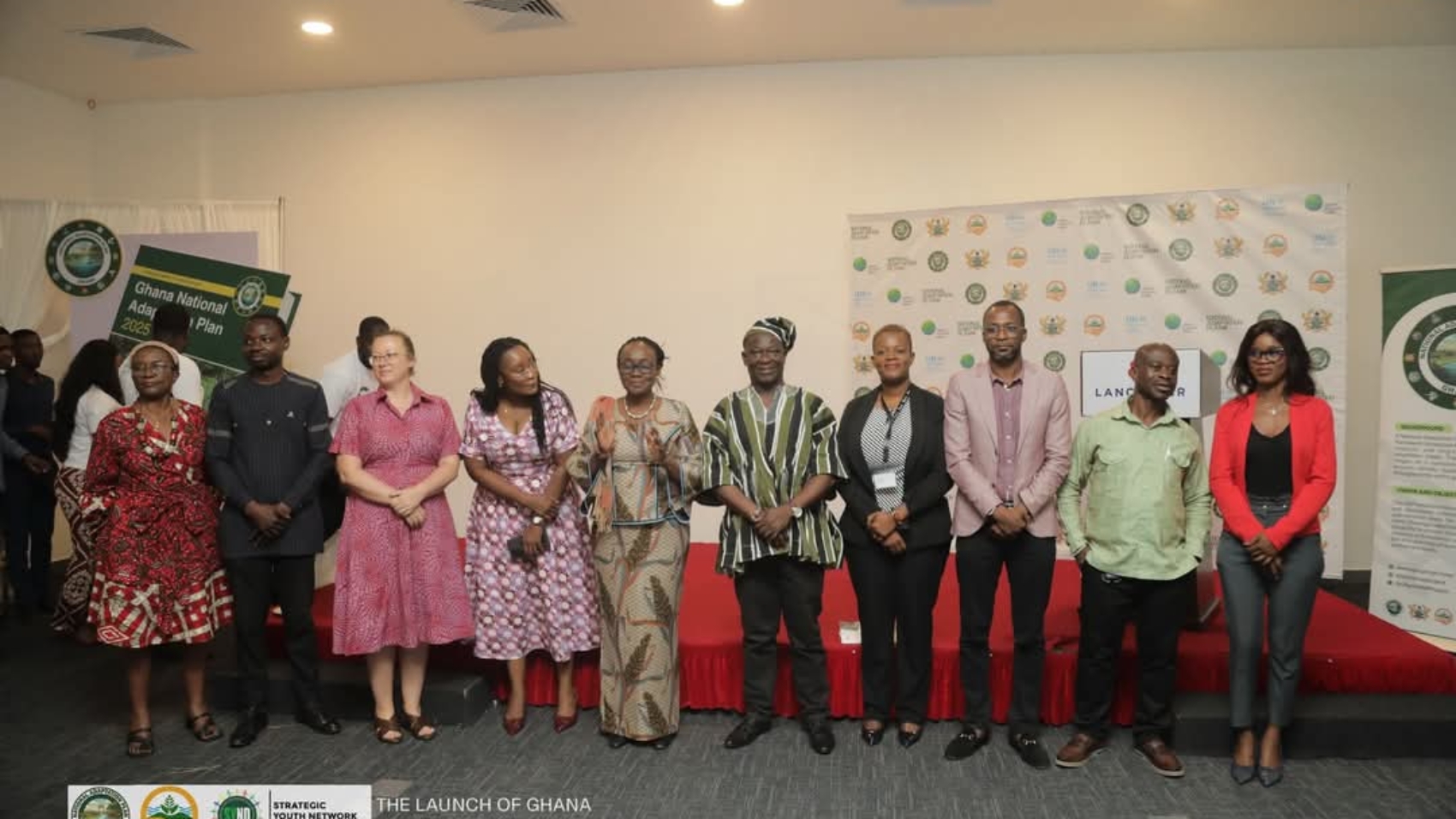
Accra, Ghana – 4 December 2025: HATOF Foundation joined national leaders, development partners, and stakeholders at the official launch of Ghana’s National Adaptation Plan (NAP) held at the Lancaster Hotel in Accra. The launch marks a major milestone in the country’s climate resilience efforts, providing a long-term framework to guide adaptation priorities across sectors, communities, ecosystems, infrastructure, and livelihoods.

Representing the Foundation, Deputy CEO Ms. MaryJane Enchill delivered a statement emphasizing the vital contribution of civil society organizations (CSOs) in driving inclusive, community-led climate adaptation in Ghana.

In her remarks, Ms. Enchill emphasized that CSOs remain closest to community realities and therefore play a crucial role in ensuring that national adaptation strategies reflect the lived experiences of communities.

“Civil society is uniquely positioned to bring forward real, first-hand information about local vulnerabilities, needs, and opportunities. Our role is to ensure that national plans are grounded in community realities, not just broad assumptions,” she noted.

She outlined several initiatives through which HATOF has strengthened the participation, capacity, and impact of civil society in Ghana’s climate response. These include:

  • A GEF-SGP–funded Capacity Development and Knowledge Management Project, which enhanced CSO capacity to engage effectively in national and sub-national planning and policy processes.
  • The GCF CSO Readiness Project, through which HATOF trained 40 CSOs across 10 networks on climate policy, project design, monitoring, evaluation, and financing, boosting civil society’s ability to contribute to Ghana’s Nationally Determined Contributions (NDCs) and wider adaptation priorities.
  • Community-based biodiversity restoration and nature-based solutions initiatives that support both climate resilience and local livelihoods.

According to Ms. Enchill, these experiences demonstrate a proven model in which empowered and knowledgeable CSOs help deliver more grounded and meaningful climate adaptation outcomes.

As Ghana begins implementing the NAP, HATOF reaffirmed the shared responsibility of civil society in achieving national adaptation goals. Ms. Enchill outlined three core commitments CSOs bring to the process:

  • Amplifying community voices to ensure local realities shape adaptation interventions.
  • Supporting implementation through on-the-ground restoration, livelihood, and climate-resilience projects.
  • Facilitating access to climate finance by helping develop proposals, mobilize resources, and promote transparency in implementation.

Ms. Enchill reiterated that successful adaptation requires strong, coordinated partnerships between government, communities, and civil society.

“Achieving a climate-resilient Ghana requires more than top-down planning. It demands collaboration, inclusion, and the full engagement of communities. HATOF is ready and committed to playing this role today and in the years ahead,” Ms. Enchill concluded.

She pledges HATOF’s commitment to collaborating with partners at all levels to support the implementation of the National Adaptation Plan and promote a more resilient, inclusive, and sustainable future for Ghana.

WhatsApp Image 2025-11-18 at 1.22.06 PM

HATOF Foundation Leads High-Level Climate–Health Dialogue at COP30 Brazil, Belém 🇬🇭🇧🇷

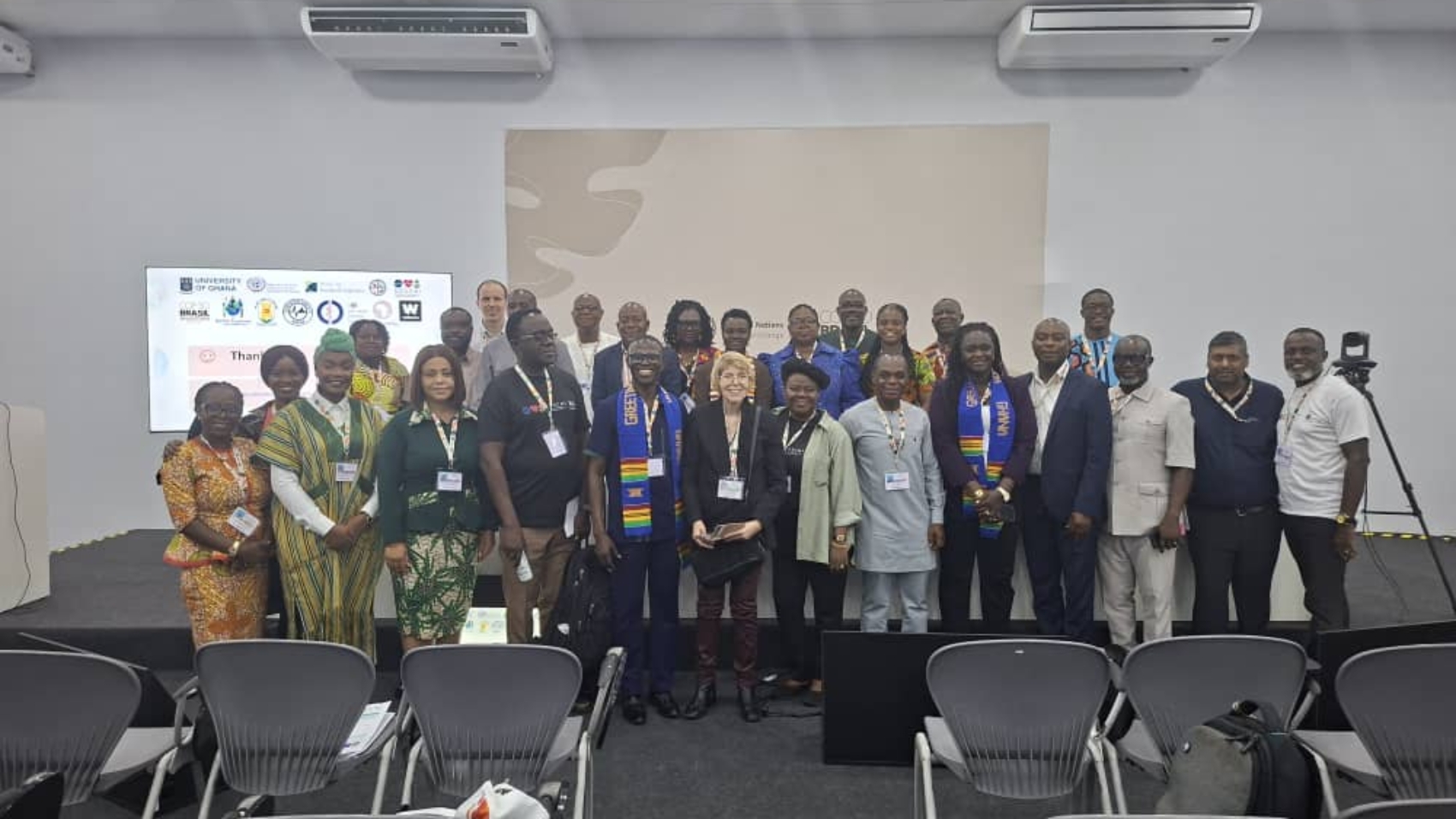
17 November 2025 –Belém, Brazil: HATOF Foundation, in partnership with the government of Ghana, the Regional Institute for Population Studies, University of Ghana, and the SOSCHI global project team, convened a high-level official side event on the sidelines of ongoing United Nations Thirtieth Climate Change Conference (COP30) in Belem, Brazil to present groundbreaking evidence on climate-health interactions and the urgent data needs for climate-informed policy. The event brought together senior government leaders, international experts, and civil society actors committed to integrating health outcomes into climate action.

In attendance were key national leaders, including Prof. Nana Ama Browne Kluste, Chief ExecutiveOfficer of the Environmental Protection Agency; Dr. Huge Brown, CEO of the Forestry Commission; and Dr. Nii Moi Thompson, Chairman of the National Development Planning Commission, reflecting Ghana’s strong political commitment to climate-health resilience.

Opening Remarks by Dr. Samuel Dotse, CEO, HATOF Foundation

Dr. Dotse underscored the importance of placing vulnerable communities at the centre of climate action. Highlighting HATOF’s community-based adaptation initiatives, he noted that climate change is already reshaping health risks and livelihoods across Ghana. He emphasized the need for stronger evidence systems, deeper collaboration, and investments that ensure resilience, particularly for communities facing multiple climate and health vulnerabilities.

Referencing HATOF’s flagship interventions, Dr. Dotse showcased:

  • The ACTUATE Waste-to-Energy Project, implemented with CSIR Ghana and Lancaster University, which installs anaerobic digesters in schools and communities to convert waste into biogas and fertilizer. The project improves sanitation, reduces methane emissions, enhances school gardens, and lowers disease risks — a model climate-health solution.
  • Restoration of over 4,000 hectares of degraded landscapes and coastal zones, including mangrove rehabilitation, tree planting, and soil restoration, benefiting more than 1,000 community members trained in sustainable land use.
  • The GCF CSO Readiness Programme, which built the capacity of 40 civil society organisations across 10 networks, enabling them to mobilize climate finance, engage with national climate frameworks such as NDCs and NAPs, and lead community-based resilience actions.

Key Findings from SOSCHI & Ghana Statistical Service Presentations

Dr. Aaaron Christian from the Regional Institute for Population Studies, University of Ghana, presented cutting-edge research under the Standards for Official Statistics on Climate-Health Interactions (SOSCHI) project, offering one of the most comprehensive analyses of how climate variables affect health outcomes in Ghana.

Major findings included:

1. Cerebrospinal Meningitis (CSM)

  • Dust–dryness conditions sharply increase CSM cases, while humidity reduces the effect.
  • Solar radiation and wind further amplify CSM risk.

2. Malaria

  • Extreme temperatures significantly elevate malaria cases across districts.
  • Attributable cases range from 762 in Greater Accra to 7,735 in the Bono Region.

3. Child Undernutrition

  • Rising average temperatures increase the risk of stunting, underweight, and anaemia.
  • Household WASH conditions and caregiving quality account for 9–12% of the mechanisms linking climate and nutrition.

4. Climate Impacts on Health Systems

Health facilities experience major climate-related operational disruptions, including:

  • Flood-induced service interruptions, network failures, and supply chain delays
  • Heat-related fatigue among health workers
  • Water scarcity is affecting hygiene and workflow
  • Infrastructure weaknesses, higher cooling costs, and medicine storage challenges

Integrating Climate-Health Evidence into National and Global Frameworks

Dr. Bernice S. Ofosu-Baadu of the Ghana Statistical Service highlighted the alignment of SOSCHI indicators with the Global Set of Climate Change Statistics and Indicators and the Framework for the Development of Environment Statistics (FDES). She emphasized:

  • The need for harmonized statistical systems to track climate-related diseases, undernutrition, and health system vulnerability
  • Current challenges such as fragmented data sources, limited technical capacity, sparse monitoring networks, and resource constraints
  • The importance of strengthening national statistical systems to deliver coherent, policy-relevant climate-health evidence that connects to global reporting frameworks

Strengthening the Belém Health Action Plan (BHAP)

The evidence presented strongly supports the Belém Health Action Plan by demonstrating:

  • The need for climate-informed early warning systems
  • Integrated multi-hazard approaches covering health, environment, WASH, and nutrition
  • Standardized climate-health indicators for tracking vulnerability and adaptation progress
  • The importance of building resilient health systems capable of withstanding climate shocks

Conclusion

The side event reaffirmed HATOF Foundation’s leadership in advancing climate-health research, community-based adaptation, and national statistical reforms. The participation of Ghana’s top-level policy leaders signaled a strong national commitment to ensuring climate-health evidence translates into concrete action.

The HATOF Foundation and its partners have called for sustained investment in climate-health data systems, cross-sector collaboration, and community-centered adaptation strategies as Ghana and the world pursue a healthier, climate-resilient future.

WhatsApp Image 2025-11-13 at 12.41.39 PM

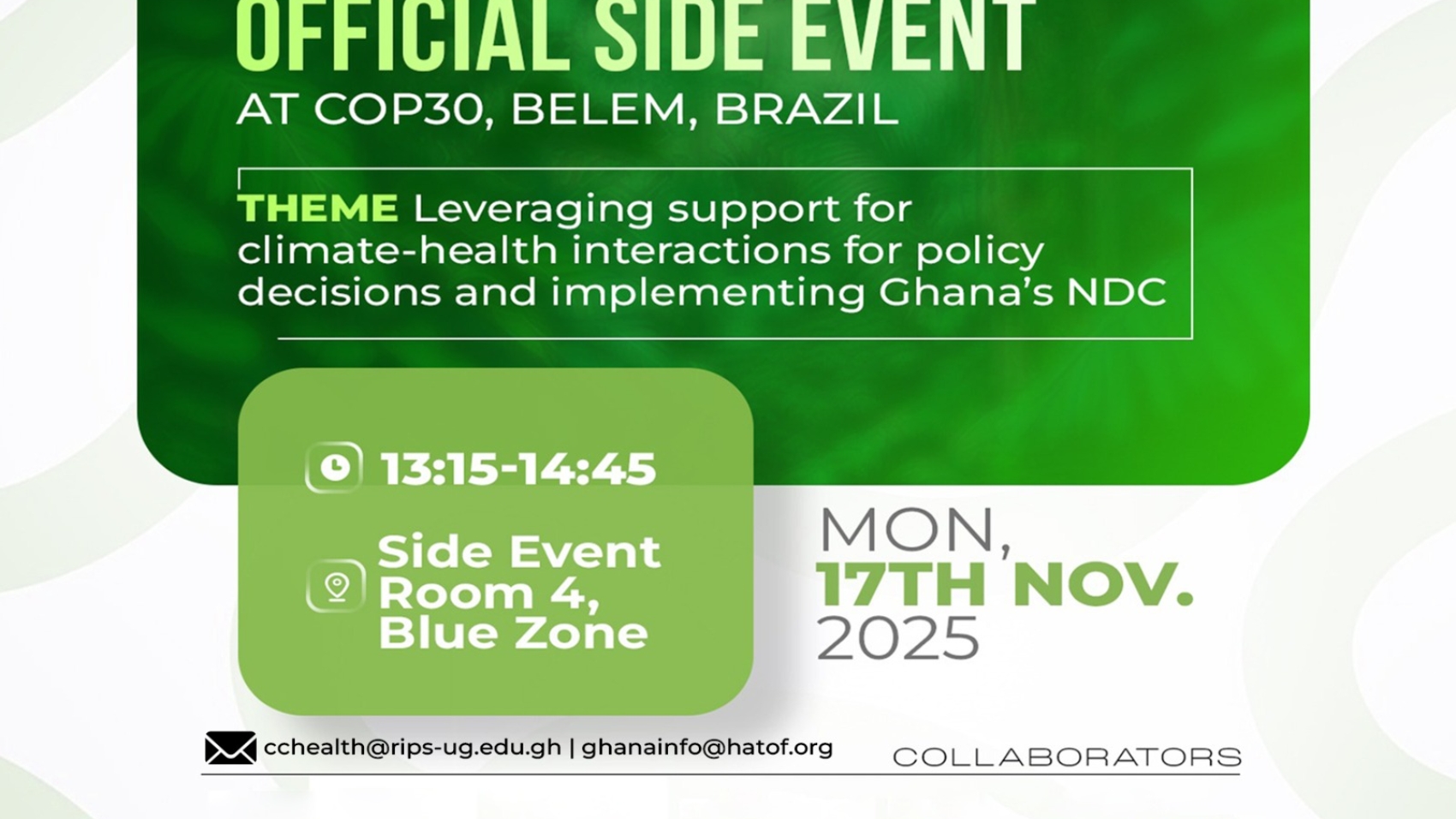
HATOF Foundation, SOSCHI Partners and Government of Ghana hosts Official Side Event at COP30, Belem, Brazil

Title 1. Leveraging support for climate-health interactions for policy decision-making and
the implementation of Ghana’s NDCs

Lead Organizer HATOF Foundation
Collaborating Institutions: SOSCHI-Ghana (Regional Institute for Population Studies), Environmental Protection Authority (EPA), Forestry Commission, Ghana Statistical Service (GSS), and United Nations Global Platform.


Introduction Climate change presents urgent and complex challenges for health, ecosystems, and sustainable development, particularly in the Global South, where vulnerabilities are high, and data systems remain fragmented. Despite growing evidence linking climate impacts to health outcomes and environmental degradation, from heat-related mortality to deforestation and biodiversity loss, many national data and policy frameworks still lack the capacity to systematically integrate these insights for informed decision-making.
This side event will showcase Ghana’s leadership in developing integrated, data-driven approaches to climate action that link health, environment, and sustainable livelihoods. It will highlight innovations in climate–health data systems and the role of nature-based solutions, and forest carbon initiatives in accelerating the implementation of Ghana’s NDCs and strengthening resilience across sectors. This event aligns with COP30’s theme, “Climate and Biodiversity for a Just Transition.”

Key Discussion Areas
➢ Integrating Climate–Health Data into National Policy: Demonstrating how Ghana is piloting UN endorsed frameworks to mainstream climate–health interactions into its NDCs, NAPs, LTS, and TNAs.
➢ Demonstrate the application of novel metrics and statistical methods, including data integration and local vulnerability modelling, developed through Ghana’s implementation.
➢ Health, Ecosystem, and Finance Synergies: Connecting ecosystem protection and forest management to improved public health outcomes, biodiversity conservation, and climate justice.
➢ Civil Society and Data Innovation: Highlighting HATOF Foundation’s work in translating data into community-based adaptation, preparedness, and advocacy.
➢ Inclusive Implementation and Financing: Exploring how health, environment, and forestry sectors can jointly mobilize resources, private sector investment, and local participation to accelerate the delivery of Ghana’s NDCs and the Global Stocktake (GST).

Objective
This session aims to catalyse an inclusive dialogue on integrating climate, health, and ecosystem resilience into national policy and planning. By linking innovations in climate–health data with lessons from REDD+ initiatives, the discussion will explore how multisectoral partnerships can strengthen Ghana’s adaptive capacity, support biodiversity conservation, and ensure equitable, evidence-based implementation of the NDCs
Expected Outcomes
➢ Enhanced understanding of how climate–health data and REDD+ benefit sharing can jointly advance integrated NDC implementation.
➢ Greater recognition of data-driven approaches as complementary tools for resilience and public health protection.
➢ Identification of joint financing, data-sharing, and policy entry points to sustain Ghana’s integrated climate–health–forestry initiatives.
➢ Increased visibility of Ghana’s leadership in developing high-integrity, datadriven, and socially inclusive approaches to climate action.

SPEAKERS
➢ Hon. Issifu Seidu, Minister of State in charge of Climate Change and Sustainability, Ghana

➢ Prof. Nana Browne Klutse, CEO, EPA, Ghana
➢ Prof. Delali Dovie, SOSCHI-Ghana, Regional Institute for Population Studies
➢ Dr. Samuel Dotse, CEO, HATOF Foundation

➢ Dr. Nana Antwi Boasiako Amoah, Director, Climate Vulnerability and Adaptation, EPA, Ghana
➢ Forestry Commission, Ghana
Date Monday 17 November, 2025
Time 13:15-14:45 (Local Time)

WhatsApp Image 2025-11-13 at 5.00.54 PM

Ghana Holds Its First Delegation Meeting at COP30 Belem, Brazil

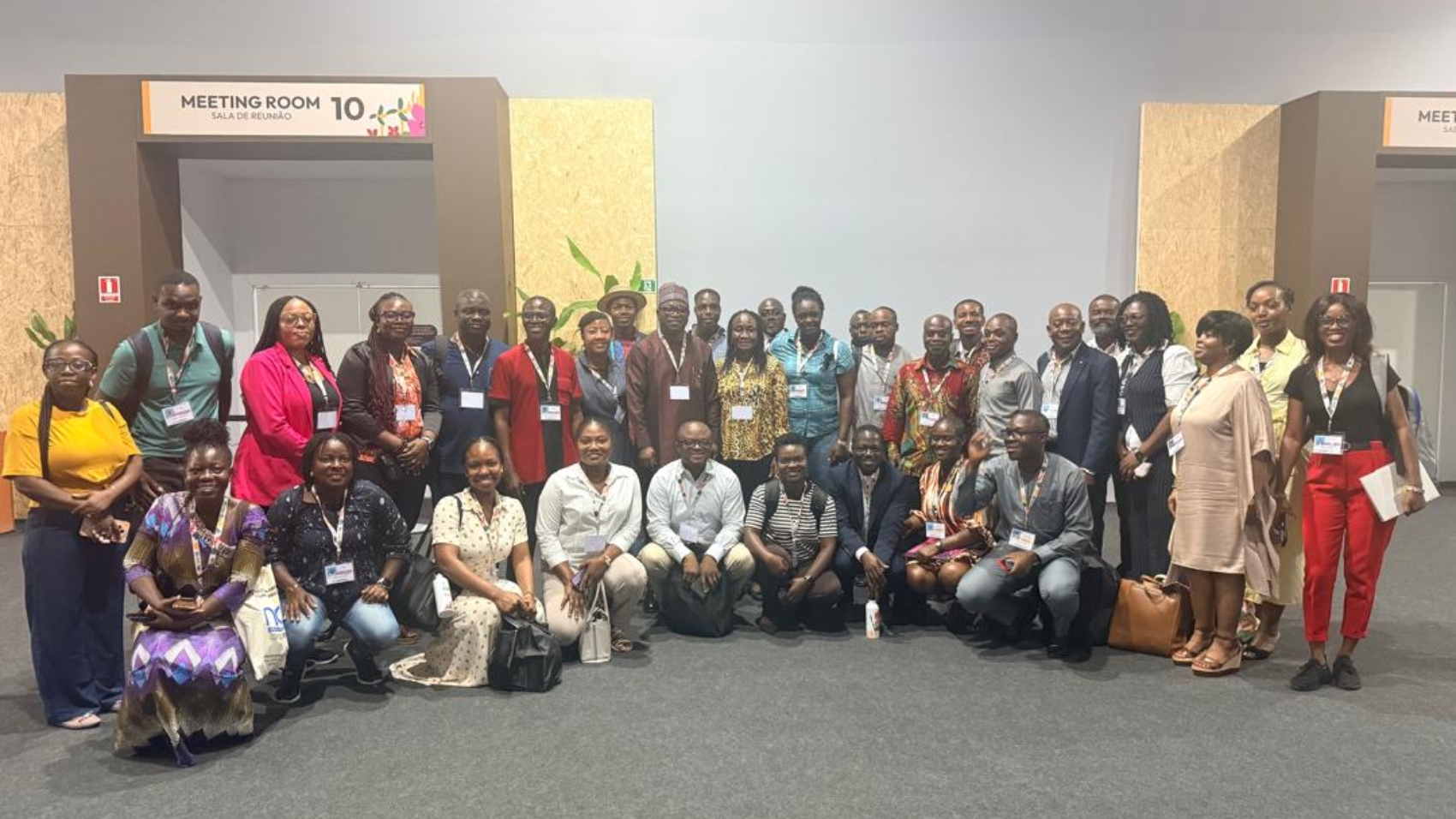
Ghana has officially held its first Delegation Meeting at the ongoing COP30 in Belem, Brazil, bringing together the Minister of State in charge of Climate Change and Sustainability, Hon. Issifu Seidu, the Chairman of the National Development Planning Commission (NDPC), Dr. Nii Noi Thompson, government officials, negotiators, and representatives from civil society organizations (CSOs).
The meeting, facilitated by Dr. Nana Antwi Boasiako Amoah, the Leader of Ghana’s Negotiation Team, provided a platform for aligning national positions and reviewing progress in the ongoing negotiations across key thematic areas, including climate finance, agriculture, the global stocktake, adaptation, and response measures.


Thematic lead negotiators, including Dr. Samuel Dotse, Mr. Kingsley Amoako, Mr. Yaw Osafo, Esq., and Dr. Ama Essel, took turns briefing the Minister on the status of discussions in their respective areas, such as climate finance, agriculture, global stocktake, adaptation, and response measures, highlighting emerging opportunities and challenges for Ghana’s negotiation priorities.
In his address, the Hon. Minister commended the delegation for their commitment and teamwork, urging them to forge ahead with focus and determination in the negotiation rooms while keeping Ghana’s national interests and development needs at heart. He also encouraged stronger networking and collaboration among delegates and partners to enhance Ghana’s voice and visibility at COP30.


The meeting concluded with remarks from the Chief Director of the Ministry of Environment, Science, and Technology, and a general discussion on coordination strategies to strengthen Ghana’s participation throughout the conference.