WhatsApp Image 2026-07-22 at 12.17.34 (1)

HATOF Foundation Supports the Launch of Ghana’s BBNJ Enabling Activity to Advance Marine Biodiversity Governance

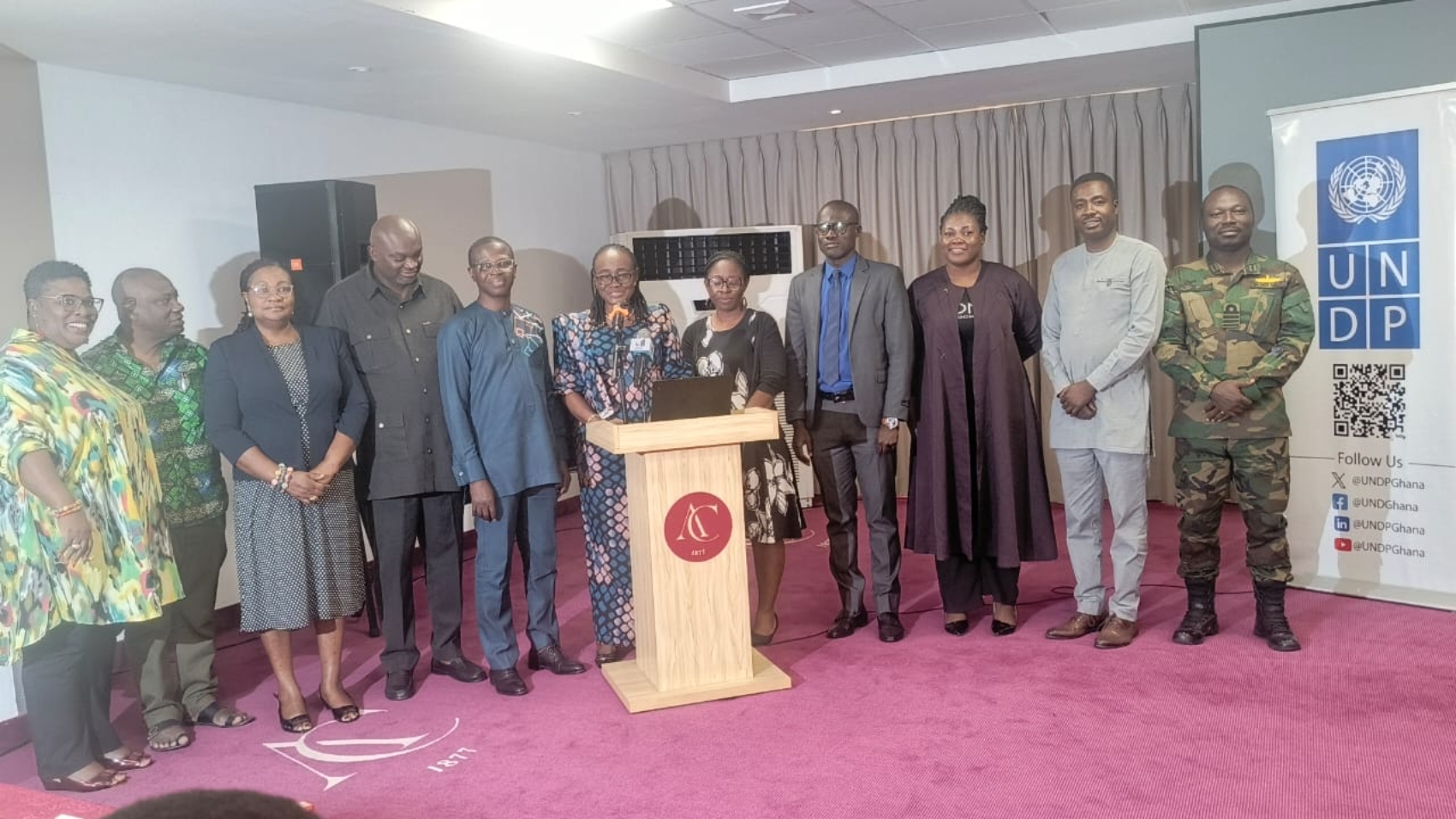
Accra, Ghana – July 21, 2026: As part of its continued commitment to strengthening ocean governance and supporting Ghana’s implementation of international environmental agreements, HATOF Foundation participated in the inception meeting for Ghana’s Biodiversity Beyond National Jurisdiction (BBNJ) Agreement Enabling Activity Project, convened by the Ministry of Environment, Science and Technology (MEST) at the Accra City Hotel.

HATOF’s participation forms part of the organization’s broader efforts to promote awareness, policy dialogue, and institutional readiness for the implementation of the Agreement under the United Nations Convention on the Law of the Sea (UNCLOS) on the Conservation and Sustainable Use of Marine Biological Diversity of Areas Beyond National Jurisdiction (BBNJ Agreement).

Ghana ratified the BBNJ Agreement on January 14, 2026, to strengthen the conservation and sustainable use of marine biodiversity beyond national jurisdiction, safeguard migratory fish stocks that contribute to national food security, and advance a resilient and sustainable blue economy. To facilitate implementation, the country is undertaking a Global Environment Facility (GEF)-funded Enabling Activity, with the Ministry of Environment, Science and Technology serving as the lead institution and the United Nations Development Programme (UNDP) providing implementation support.

The Enabling Activity is designed to assess Ghana’s readiness to implement the Agreement through a comprehensive legal and policy review, an institutional capacity assessment, a stakeholder engagement process, and an analysis of existing governance structures. Although the project was originally approved for implementation between 2025 and 2027, the July 2026 inception meeting marked its formal commencement following implementation delays.

The meeting outlined the next phase of the project, including the recruitment of national consultants to undertake baseline assessments and nationwide stakeholder consultations. Discussions also highlighted an important institutional challenge: identifying national agencies that possess scientific data and information on marine biodiversity beyond Ghana’s Exclusive Economic Zone, including activities along the continental shelf and in areas beyond 200 nautical miles. Participants noted that little existing knowledge has been generated nationally, except through international scientific collaborations, underscoring the need for stronger national coordination, data management, and research partnerships.

The BBNJ Enabling Activity complements several ongoing national biodiversity initiatives, including the revision of Ghana’s National Biodiversity Strategy and Action Plan (NBSAP), the establishment of the country’s first Marine Protected Area, and the implementation of the Kunming-Montreal Global Biodiversity Framework.

HATOF Foundation has been proactively contributing to Ghana’s preparedness for the BBNJ Agreement through technical engagement and awareness-raising initiatives. Earlier this year, the Foundation convened a national webinar that introduced policymakers, researchers, civil society organizations, academia, and marine practitioners to the objectives, obligations, and opportunities presented by the Agreement. The initiative helped bridge existing knowledge gaps and stimulated national dialogue on the implications of the BBNJ Agreement for Ghana’s fisheries governance, marine scientific research, offshore resource management, and blue economy development.

As implementation of the Enabling Activity progresses, HATOF Foundation will continue to engage with government institutions, development partners, academia, and civil society to support inclusive stakeholder participation, policy dialogue, knowledge dissemination, and capacity strengthening. By connecting global ocean governance frameworks to national implementation processes, HATOF remains committed to helping Ghana effectively implement the BBNJ Agreement and to contributing to the long-term conservation and sustainable use of marine biodiversity beyond national jurisdiction.

ChatGPT Image Jul 16, 2026, 01_07_47 PM

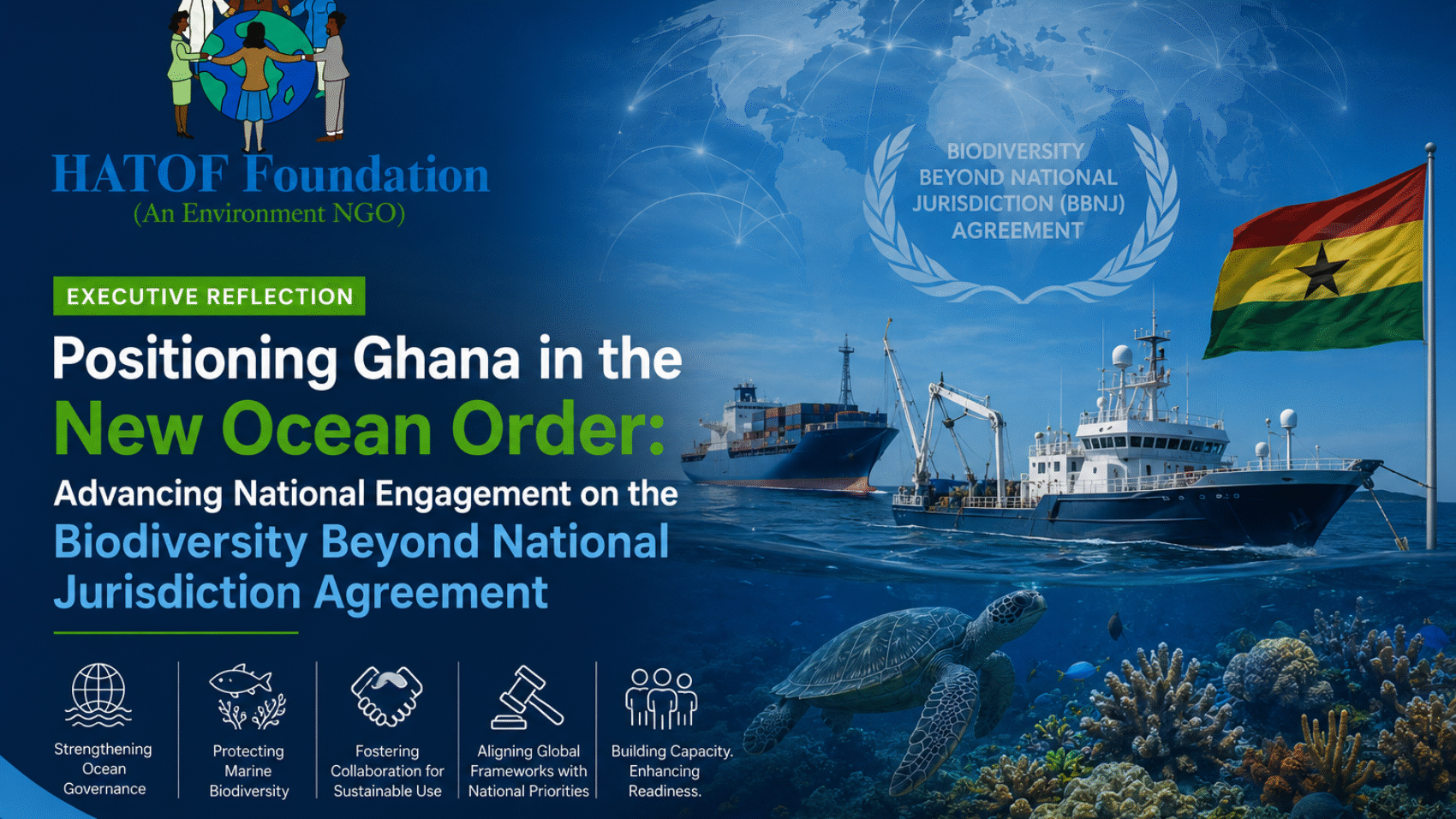
Positioning Ghana in the New Ocean Order: Advancing National Engagement on the Biodiversity Beyond National Jurisdiction Agreement

April 15, 2026

HATOF Foundation, an international environmental Non-Governmental Organization, has taken a deliberate step to advance Ghana’s engagement with the Agreement under the United Nations Convention on the Law of the Sea on the Conservation and Sustainable Use of Marine Biological Diversity of Areas Beyond National Jurisdiction (Biodiversity Beyond National Jurisdiction (BBNJ) Agreement).

Current engagement with the Agreement in Ghana remains limited in both awareness and technical depth. At the same time, its implications for fisheries governance, offshore resource management, and marine research are immediate, creating a gap between relevance and readiness.

By convening a focused national webinar on the Agreement and its implications for Ghana’s Blue Economy, the organization has opened a practical entry point for stakeholders to engage with the Agreement in concrete terms: what it covers, where it intersects with Ghana’s priorities, and what it will require of institutions as we advance. This is not about general advocacy; it is about positioning Ghana to respond with clarity.

HATOF has become a practical platform for ocean policy engagement, connecting global frameworks to national processes and making them accessible and relevant for decision-making. This includes translating technical content into usable knowledge, maintaining continuity in policy discussions, and ensuring that stakeholder engagement moves beyond one-off events.

Ghana’s engagement with the Agreement requires specific institutional actions, including clarifying national mandates across lead agencies, integrating BBNJ priorities into existing ocean and fisheries policies, and strengthening technical capacity in areas such as environmental impact assessments and marine genetic resources. There is also a need to align this process with existing commitments under the Convention on Biological Diversity, while building on current efforts such as the designation and management of a Marine Protected Area. These steps are necessary to ensure that Ghana can participate effectively in negotiations, access emerging opportunities, and implement its obligations under the Agreement.

As such, a coordinated, multi-stakeholder approach is essential to enable government institutions, regulatory agencies, research bodies, the private sector, and civil society to work within a structured framework to ensure readiness and strategic positioning to address the scope and technical demands of the Agreement.

HATOF will continue to lead in this space by convening targeted dialogues for knowledge management and capacity building and contributing to policy processes. The objective is clear: to ensure that Ghana is informed, prepared, and able to engage effectively.

ChatGPT Image Jul 16, 2026, 12_30_53 PM

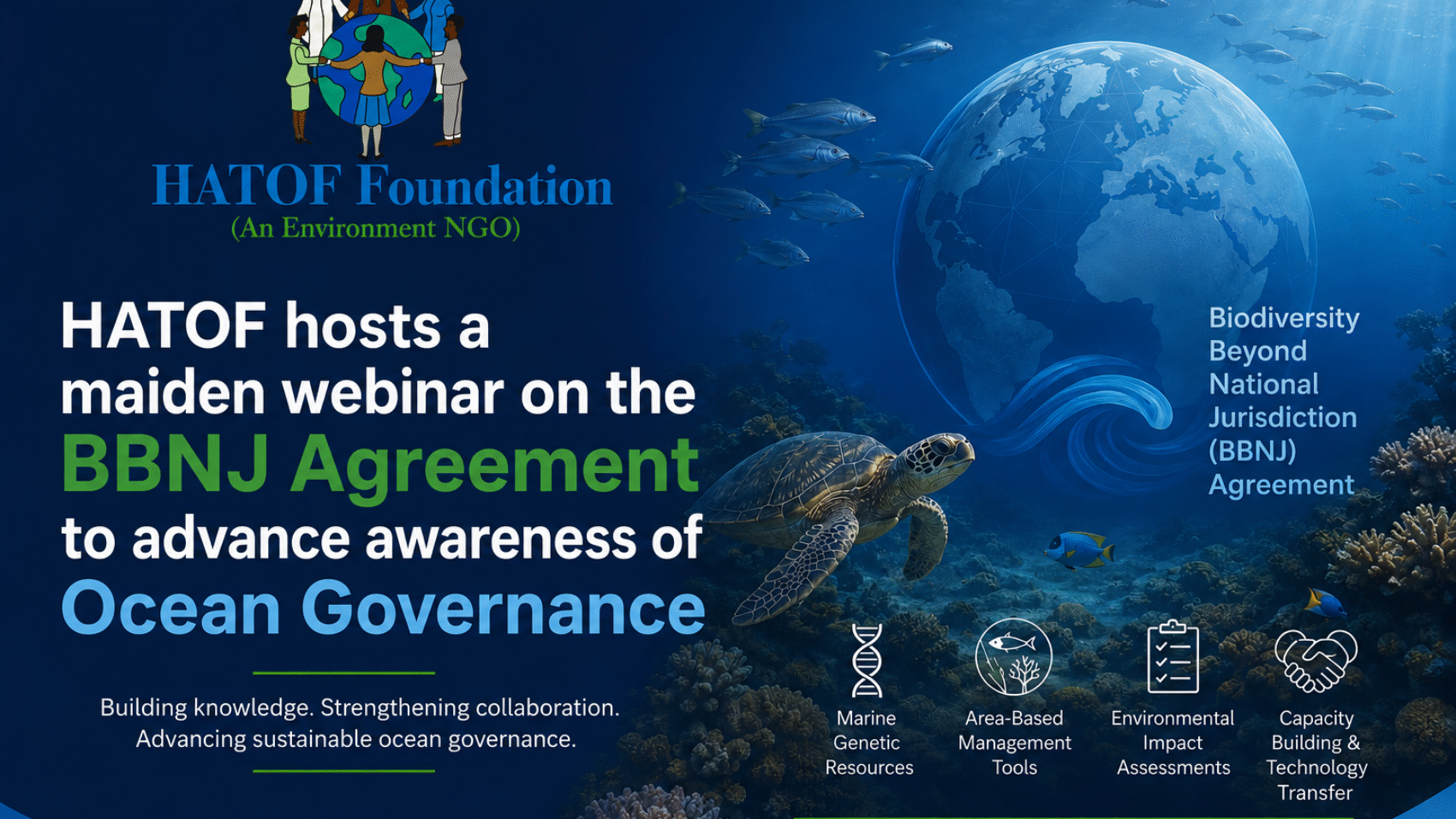
HATOF hosts a maiden webinar on the BBNJ Agreement to advance awareness of Ocean Governance

March 18, 2026

Accra, Ghana: HATOF Foundation convened a webinar on the Agreement under the United Nations Convention on the Law of the Sea on the Conservation and Sustainable Use of Marine Biological Diversity of Areas Beyond National Jurisdiction (Biodiversity Beyond National Jurisdiction (BBNJ) Agreement), contributing to efforts to strengthen national understanding of this global ocean governance framework.

The webinar functioned as a platform for sharing knowledge about the BBNJ Agreement and its importance to the Ghanaian audience. It gathered participants from government, academia, civil society, and development sectors to establish a basic understanding of the Agreement and its main elements.

The session provided an overview of the BBNJ framework and its origins, including its provisions on marine genetic resources, area-based management tools, environmental impact assessments, and capacity-building. It also outlined how the Agreement fits within the broader system of international environmental governance, including its linkages to the Convention on Biological Diversity, and from a national lens, Ghana’s blue economy.

The webinar not only discussed the global context but also stressed the importance of early national engagement, highlighting that increasing awareness and technical knowledge are essential steps for effective involvement in BBNJ processes.

The role of area-based management tools, including Marine Protected Areas (MPAs), was also presented as a key element of the Agreement, with relevance for biodiversity conservation and sustainable ocean use.

As an introductory session, the webinar focused on building a shared baseline of knowledge rather than generating policy positions. It provided participants with the information needed to better understand the scope of the Agreement and its potential implications for Ghana.

This engagement forms part of HATOF’s broader effort to support informed and coordinated discussions on ocean governance. The organization will continue to facilitate knowledge-sharing and stakeholder engagement on BBNJ and related issues.

Watch the full webinar here:


rso250915-02-0336

Keta Port After SoNA: Redefining Ghana’s Blue Economy And Maritime Future

Introduction

The 2026 State of the Nation Address, delivered on 28 February 2026, provided a constitutionally grounded platform for President John Dramani Mahama to outline national priorities under Article 69 of the 1992 Constitution of Ghana, which empowers the President to present proposals, reports, and directives to Parliament on matters of national governance and strategic development.

In his address to the good people of Ghana, His Excellency John Dramani Mahama, the president of the Republic, announced that the Cabinet had reviewed the feasibility study and designs for the proposed Port of Keta, and directed the Ghana Ports and Harbours Authority (GPHA) to submit an action plan and roadmap for its expeditious realisation.

This positions the Keta Port project to transition from concept validation into execution planning and implementation, signalling high-level strategic commitment. Among several forward-looking proposals, the Keta Port stands out for me, a native of Atiavi/ Netsime/Asadame, as a transformative infrastructure project with the potential to diversify Ghana’s coastal economic base and strengthen the blue economy and the sustainable use of marine and coastal resources for growth, jobs, and improved livelihoods for the youth who hail from the region and beyond.

Economic and Strategic Significance

Strategically located along Ghana’s eastern coast near the Keta Lagoon Complex Ramsar Site, the port is designed to complement existing facilities at Tema Port while unlocking new opportunities for trade, logistics, and industrial development. Its deepwater design will enable it to handle containerised, bulk, and general cargo, which is vital for both domestic hinterland distribution and regional commerce.

Ports as economic multipliers.

Research shows that every direct port job in operations, logistics, and terminal handling can generate 3–5 indirect jobs in transport, warehousing, services, and manufacturing.

International benchmarking

At the Port of Mombasa, port-related economic activities contribute roughly 2–3% of national GDP and support over 100,000 jobs. In South Africa, the Port of Durban contributes nearly 5% of the regional GDP when supply chain linkages are included. If the Keta Port achieves similar efficiency, even an initial Phase 1 handling 500,000 TEUs annually would translate to ~7 million tons of cargo per year, supporting 20,000–30,000 direct and indirect jobs and generating a measurable GDP contribution of 1–2%.

This illustrates the tangible economic significance of the port, beyond abstract container metrics. Strategically, the Keta Port is also positioned to enhance regional trade integration, particularly along the Togo–Ghana corridor. In contrast to Port of Lomé, which serves as a regional transshipment hub, Keta’s value proposition lies in its combination of industrial linkages, hinterland logistics, and integrated multimodal access, creating a complementary rather than duplicative role in West Africa’s maritime landscape.

Implementation Roadmap, Financing, and Institutional Responsibilities

With the Cabinet’s endorsement, the next step is for GPHA to prepare a detailed action plan and implementation roadmap. This plan will guide the project through phased development, including design verification, procurement, construction, commissioning, and eventual port operations.

Implementation Phased Approach

  • Phase 1: Engineering verification, environmental compliance updates, and stakeholder engagement.
  • Phase 2: Procurement of contractors, dredging works, breakwater, and quay construction.
  • Phase 3: Terminal equipment installation, connectivity integration, and pilot operations.

Financing Strategy Large ports require substantial capital, estimated between US$1 billion and US$2.5 billion, depending on scale. GPHA is expected to explore: Public–Private Partnerships (PPP) Concession Models with experienced port operators; Multilateral financing from the World Bank, African Development Bank, and export credit agencies; and multilateral climate finance institutions. A clearly defined financing plan will be essential to ensure bankability and investor confidence.

ADVISORY NOTE: Institutional Leadership

While GPHA is the technical lead, ministry-level oversight is essential. A hybrid approach with the Ministry of Transport providing policy guidance ensures alignment with national infrastructure, industrialisation, and blue economy priorities. Supporting agencies include the Ministry of Finance for funding and budget approvals; the Ministry of Environment for EIA compliance and ecological safeguards; and the Ministry of Trade & Industry for industrial integration and regional trade. This hybrid institutional model balances technical execution with strategic governance, reflecting international best practices.

Environmental Sustainability and Climate Resilience

From inception, the port should be designed as a low-carbon, climate-adaptive facility that does not disrupt the ecological integrity of the Keta Lagoon Complex Ramsar Site, one of West Africa’s most important coastal wetland systems.

  • Climate-Resilient Infrastructure Design

Keta’s coastline is vulnerable to sea-level rise, storm surges, and erosion. Port design must include elevated quays, reinforced breakwaters, flood-resilient drainage, and sediment management systems. Nature-based solutions such as mangrove restoration should complement engineering works. Early climate modelling ensures long-term resilience and reduces costly retrofitting in future decades.

  • Low-Carbon and Energy-Efficient Operations

Keta should align with global decarbonization standards through shore-to-ship power, solar-powered terminals, and electrified cargo-handling equipment. Efficient logistics planning can reduce truck congestion and emissions. Integrating renewable energy and energy-efficient systems lowers operational costs, strengthens competitiveness, and improves access to climate finance and green investment opportunities.

  • Protection of the KLCRS Ecosystem

The Keta Lagoon Complex Ramsar Site supports fisheries, migratory birds, mangroves, and local livelihoods. Development must include a comprehensive Environmental and Social Impact Assessment, ecological buffer zones, sediment control, and continuous water-quality monitoring. Protecting hydrological flows and biodiversity will prevent habitat degradation and ensure economic growth does not undermine ecological stability.

  • Blue Economy Integration

A green Keta Port should strengthen, not displace, coastal livelihoods. Modern cold-chain facilities can boost sustainable fisheries exports, while marine research and environmental monitoring enhance ecosystem management. Linking logistics to eco-tourism and sustainable resource use will promote inclusive growth without ecological trade-offs.

  1. The Keta Port and Ghana’s Blue Economy

The Keta Port is central to Ghana’s blue economy strategy, supporting trade, fisheries, aquaculture, tourism, and coastal industrialisation. With multimodal connectivity, the port can anchor regional logistics ecosystems while creating high-value jobs and promoting sustainable use of marine resources.

International Benchmarking: Lessons for Keta Port

International evidence shows that cargo volumes are closely linked to infrastructure scale, connectivity, and economic integration.

The Port of Lomé, Togo, handles 1,000,000+ TEUs and approximately 14 million metric tonnes (MT) of cargo annually. This scale contributes an estimated 3–4% of Togo’s GDP and supports tens of thousands of jobs. These figures indicate that even in a relatively small economy, a well-positioned deep-water port can become a national economic pillar when structured around transshipment and Special Economic Zones (SEZs). The high TEU-to-GDP relationship reflects the port’s importance as a regional transit hub rather than a purely domestic trade facility.

The Port of Durban, South Africa, processes 2,500,000+ TEUs and roughly 35 million MT of cargo yearly. It contributes about 5% of regional GDP and supports around 150,000 jobs. The implication is clear: diversified cargo streams (containers, automotive, bulk commodities) combined with rail and road integration create strong multiplier effects across manufacturing, warehousing, and logistics sectors.

The Port of Mombasa, Kenya, records 1,200,000+ TEUs and approximately 16.8 million MT annually. Its estimated 2–3% contribution to GDP and support for about 100,000 jobs demonstrate how a regional gateway serving landlocked countries can structurally elevate national economic output. Transit trade significantly expands cargo beyond domestic consumption levels.

At the global level, the Port of Rotterdam, the Netherlands, handles 14,000,000+ TEUs and nearly 196 million MT of cargo annually. It supports hundreds of thousands of jobs and is a major contributor to the national GDP. The scale reflects deep drafts exceeding 20 meters, extensive industrial clustering, and advanced logistics systems. The high metric tonnage illustrates strong bulk and petrochemical activity alongside containerized trade.

Across all four cases, three conclusions emerge from the data:

  • TEU volumes correlate strongly with industrial integration.
  • GDP contribution between 2–5% signals that ports function as macroeconomic growth engines.
  • Employment figures show that port development has a significant social impact beyond maritime operations
  1. Strategic Positioning and Quantitative Potential of Keta Port

Keta’s eastern coastal location provides structural advantages distinct from Ghana’s existing ports, namely the Port of Tema and the Port of Takoradi. While Tema dominates container traffic and Takoradi supports bulk exports, cargo concentration in a single primary hub increases congestion risk and logistical vulnerability.

Preliminary development assumptions for Keta suggest:

  • Potential dredged depth: 15–18 meters (suitable for Panamax/Post-Panamax vessels)
  • Initial throughput potential: 500,000–800,000 TEUs
  • Bulk cargo potential: petroleum products, agro-exports, solid minerals
  • Greenfield expansion space: suitable for logistics parks and SEZ integration

If Keta Port reaches even 700,000 TEUs annually, benchmarking ratios suggest that it could generate a measurable macroeconomic impact. Using Lomé and Mombasa as comparators, such throughput could support 30,000–50,000 jobs directly and indirectly. Over time, the GDP contribution could reasonably approach 1.5–3%, depending on industrial linkages and the capture of transit trade.

Importantly, Keta’s proximity to Togo and integration into the eastern corridor position it as a potential transit outlet to Burkina Faso and Niger. Transit cargo would elevate volumes beyond Ghana’s domestic demand base, replicating the structural drivers seen in Mombasa and Lomé.

Within this framework, developing Keta Port represents a technically grounded and economically rational decision. Even at conservative throughput levels, the comparative evidence suggests that it would be a strong contributor to national output, regional trade competitiveness, and long-term socio-economic transformation.

Conclusion

President Mahama’s directive moves Keta Port from concept to execution under constitutional authority and Cabinet approval. With GPHA leading technical implementation under ministry oversight, integrated financing, environmental safeguards, and lessons from global benchmarks, Keta Port is poised to handle millions of tons of cargo annually, support tens of thousands of direct and indirect jobs, contribute 1.5 -3 % of national GDP, and anchor Ghana’s blue economy strategy and regional trade integration. If executed effectively, the Keta Port will not simply be a port facility; it will be a transformational, resilient infrastructure project that redefines Ghana’s maritime and economic future.

By Dr. Samuel Dotse, CEO HATOF Foundation

Untitled design

From Diplomacy to Arbitration: Ghana moves maritime boundary dispute with Togo to ITLOS

Introduction

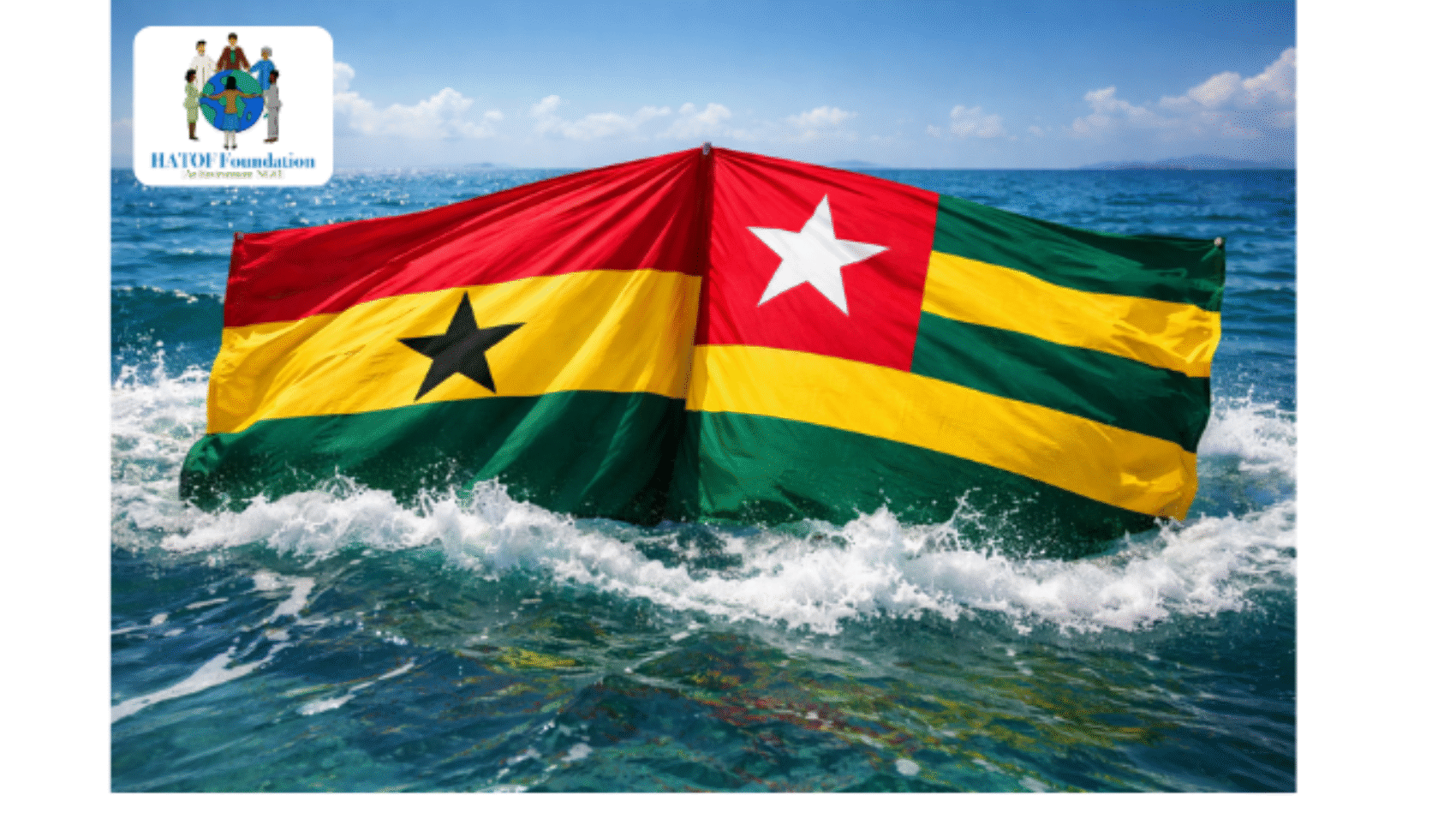
Ghana has formally escalated its maritime boundary dispute with Togo to international arbitration under the United Nations Convention on the Law of the Sea (UNCLOS), marking a significant shift from prolonged diplomatic negotiations to a legally binding adjudication.

The move comes after eight years of bilateral discussions that failed to produce a mutually acceptable agreement, highlighting the complexity of maritime governance in the resource-rich Gulf of Guinea.

To “delimit” a maritime boundary means to legally define and draw the line in the sea that separates the maritime zones of two neighbouring countries. Just as land borders divide territories on land, maritime boundaries divide rights and responsibilities at sea.

Under UNCLOS, coastal states are entitled to several maritime zones, including:

  • Territorial Sea (up to 12 nautical miles),
  • An Exclusive Economic Zone (EEZ) (up to 200 nautical miles), and
  • Rights over the continental shelf, which concerns seabed resources.

When two countries lie next to each other – as Ghana and Togo do – their maritime zones may overlap. Delimitation resolves that overlap by determining which state has sovereign rights over specific areas of water and seabed.

Historical Context of the Dispute

The maritime boundary dispute between Ghana and Togo began to take concrete shape in December 2017 and May 2018, when Togolese authorities halted two Ghanaian seismic survey vessels conducting deep-sea data acquisition in an area near the border that Ghana considered part of its offshore maritime zone.

Togo claimed that the vessels were operating in waters within its own claimed area, leading to the first significant flashpoints in the disagreement.

These incidents occurred shortly after Ghana won its maritime boundary case against Côte d’Ivoire in September 2017 at the International Tribunal for the Law of the Sea (ITLOS) under the United Nations Convention on the Law of the Sea (UNCLOS).

That ruling provided a binding delimitation of the boundary between Ghana and Côte d’Ivoire, giving Ghana legal clarity on its western maritime frontier.

Following the 2017–2018 incidents with Togo, both countries formed a Joint Maritime Boundary Technical Committee to negotiate a mutually acceptable boundary.

Technical teams from Accra and Lomé held multiple rounds of discussions and exchanges. However, these rounds failed to produce agreement because the parties differed on delimitation methodology, baseline coordinates, and interpretation of nautical data. Togo also raised concerns about the presence of Ghanaian naval vessels in the contested area during negotiations.

In 2021, Ghana proposed a formal demarcation line, but Togo rejected the proposal, and neither side could bridge the substantive differences.

After eight years of bilateral negotiations without achieving a settlement, the Government of Ghana notified Togo in February 2026 of its decision to pursue international arbitration under UNCLOS to secure a legally binding delimitation of the contested maritime boundary.

Legal Context of the Dispute

This dispute is governed by the United Nations Convention on the Law of the Sea (UNCLOS), which establishes the legal framework for the delimitation of maritime boundaries between states with adjacent or opposite coasts, as set out in Articles 74 and 83.

Article 74 requires states with overlapping exclusive economic zones (EEZs) to reach an equitable solution through agreement, taking into account relevant circumstances. Similarly, Article 83 requires states with overlapping continental shelf claims to cooperate to achieve equitable boundary delimitation and provides that, if negotiations fail, parties may resort to conciliation, arbitration, or adjudication under Part XV of UNCLOS.

Ghana’s prior case with Côte d’Ivoire, in which arbitration before a Special Chamber of ITLOS from 2014 to 2017 resulted in a binding delimitation of the maritime boundary, demonstrates the procedural and legal precedent for seeking a binding resolution through international adjudication rather than unilateral measures.

Globally, the move resonates with the maritime governance principles of the High Seas Treaty, or Biodiversity Beyond National Jurisdiction (BBNJ) Treaty, which entered into force on January 17, 2026. It emphasizes the orderly management of marine resources and transboundary cooperation. Though the disputed waters lie within EEZs, arbitration ensures clarity of jurisdiction and predictable governance.

Regionally, the African Charter on Maritime Security, Safety and Development in Africa (Lomé Charter), adopted by the African Union in October 2016, provides guidance to AU member states on resolving maritime disputes peacefully, promoting security, and ensuring sustainable and equitable use of offshore resources.

By seeking arbitration, Ghana demonstrates adherence to these continental norms, signalling its commitment to rules-based dispute resolution and regional cooperation.

Economically, the arbitration aligns with Ghana’s Blue Economy strategy, which emphasises the sustainable exploitation of ocean resources, including fisheries, hydrocarbons, and shipping lanes.

Clear boundary delimitation provides legal certainty for investors, enhances resource management, reduces the risk of conflict, and supports long-term national development planning.

Through arbitration, Ghana seeks not only a legal resolution but also a framework for long-term cooperation, resource security, and rule-based governance, consistent with both regional expectations and international maritime law principles.

Current Arbitration Process and Legal Mechanism

The ITLOS arbitration process requires Ghana and Togo to submit legal, technical, and historical evidence, including hydrographic surveys and historical documentation.

Ghana’s recourse to ITLOS aligns with:

  • Article 286 – allowing arbitration if negotiations fail.
  • Article 288 – confirming tribunal awards are final and binding.
  • Articles 74 & 83 – guiding equitable delimitation of EEZs and continental shelves.
  • Article 15 – ensuring the equidistance principle for adjacent coasts.

Beyond the legal framework provided by UNCLOS, Ghana’s ability to present a coherent and technically sound case rests significantly on the work of the Ghana Boundary Commission.

Institutional Backbone: The Ghana Boundary Commission

Established under the Ghana Boundary Commission Act, 2010 (Act 798), and hosted under the Ministry of Lands and Natural Resources (MLNR), the Ghana Boundary Commission (GhBC) serves as the principal national authority responsible for the delimitation, demarcation, and management of Ghana’s land and maritime boundaries.

In the present dispute, the Commission provides the technical and evidentiary backbone for Ghana’s recourse to arbitration under UNCLOS Articles 15, 74, 83, 286, and 288. It undertakes hydrographic and geodetic surveys, prepares official maritime charts and coordinates, and develops equidistance lines consistent with international law. These technical outputs form the foundation of Ghana’s legal submissions before an arbitral tribunal.

Why This Matters: Oil and Gas, Fisheries, and Economic Stability

Maritime boundaries are not abstract legal lines; they determine real economic rights.

The waters in question are believed to contain offshore oil and gas deposits and valuable fisheries. A clearly defined boundary, therefore, determines:

  • Which country can explore and extract hydrocarbons,
  • Who regulates fishing activities,
  • Who licenses offshore operations, and
  • Who collects revenues.

Without delimitation, uncertainty persists. Investors hesitate. Regulatory enforcement becomes complicated. Diplomatic friction increases.

Implications of the Arbitration Process for Ghana

Economic Diplomacy

Ghana’s maritime arbitration represents strategic economic diplomacy, demonstrating the country’s ability to protect national interests through legal frameworks while maintaining cordial relations with neighbouring states, especially Côte d’Ivoire, Togo, Benin, and Nigeria.

The arbitration also serves as a signal to investors and regional partners that disputes are managed in a predictable, transparent, and legal manner, thereby enhancing confidence in offshore investment opportunities.

Furthermore, economic diplomacy also provides leverage for joint development agreements and investment treaties, fostering sustainable exploitation of oil, gas, and fisheries while ensuring compliance with international and continental legal frameworks.

This reinforces Ghana’s maritime credibility, strengthens its bilateral and regional diplomatic relationships, and establishes a template for responsible maritime governance in Africa.

Regional Integration

The arbitration process contributes to broader West African and African Union objectives for regional integration. Peaceful dispute resolution through ITLOS demonstrates that legal mechanisms can support institutional coordination, cross-border resource management, and collective maritime security.

Clear boundaries facilitate joint monitoring, coordinated fisheries enforcement, and maritime safety operations, enhancing cooperation among AU member states.

The Lomé Charter positions regional integration as a core strategy for maritime governance. Articles 30, 32, 34, and 37 of the Charter mandate cooperation in resource exploitation, crime prevention, intelligence sharing, and structural alignment with Regional Economic Communities, reinforcing collective approaches over purely national strategies.

Arbitration also promotes a predictable legal environment, which is essential for cross-border trade, shipping, and investment, thereby supporting regional stability.

Conclusion

Ghana’s referral of the maritime dispute to ITLOS exemplifies the effective use of international law to resolve complex maritime conflicts. By invoking UNCLOS arbitration (Articles 15, 74, 83, 286, 288) and aligning with the Lomé Charter, Ghana ensures a rules-based, impartial, and legally binding outcome, while reinforcing regional cooperation.

Author: Dr Samuel DotseChief Executive Officer, HATOF FoundationFormer Deputy Presiding Officer, AU ECOSOCC
618489794_17941295778110000_3312207209059101645_n

High seas treaty enters into force: Opportunities for Ghana’s blue economy

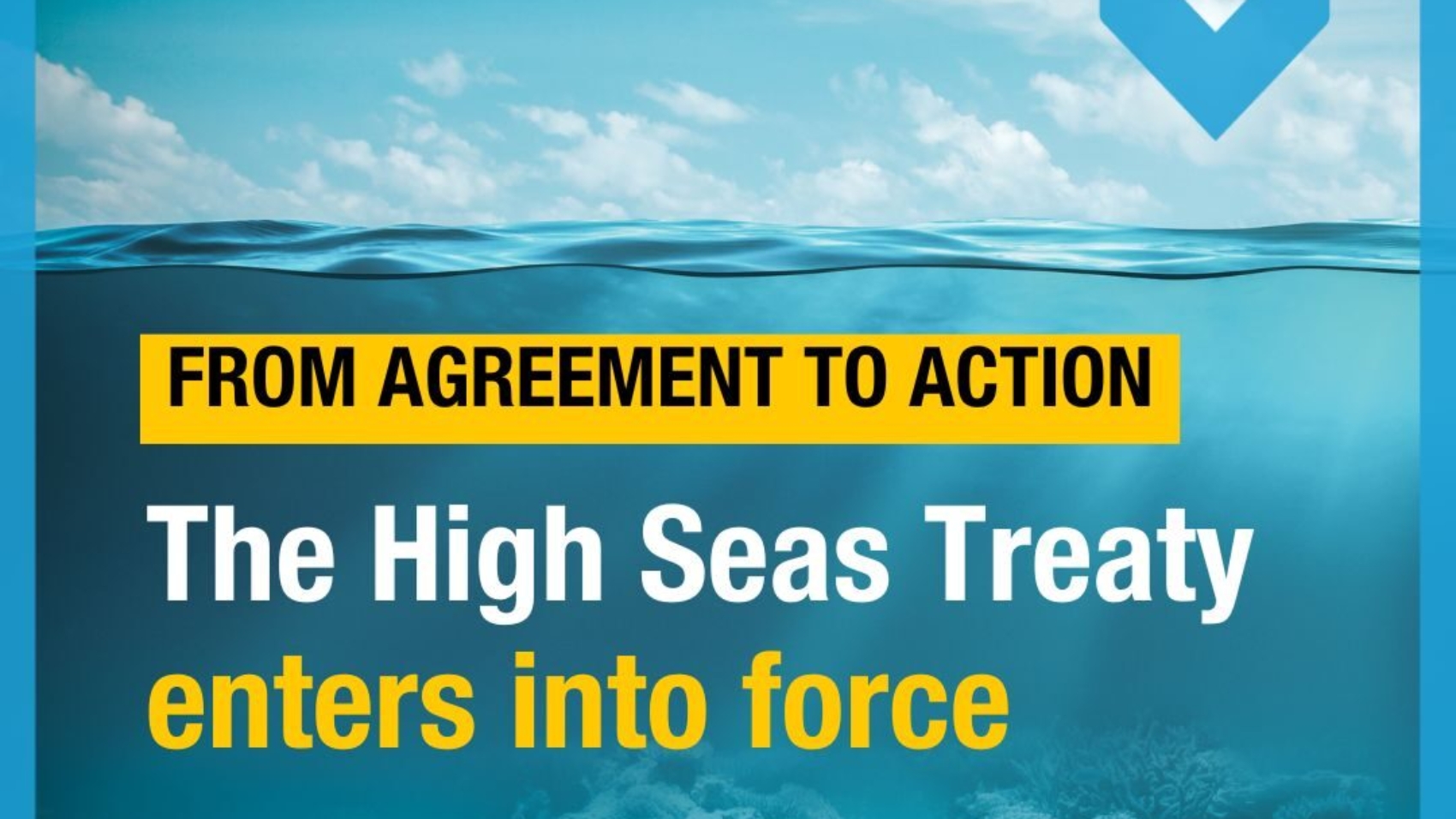
On 17 January 2026, the international community marked a historic milestone for the global ocean with the entry into force of the Agreement on the Conservation and Sustainable Use of Marine Biodiversity Beyond National Jurisdiction (BBNJ Agreement), widely known as the High Seas Treaty.

This agreement is the result of nearly 20 years of negotiations initiated to address regulatory gaps under the Convention on the Law of the Sea (UNCLOS), particularly in the Areas Beyond National Jurisdiction.

Adopted by consensus in 2023 after five rounds of intensive negotiations and following the deposit of the 60th instrument of ratification and completion of the mandatory 120-day period, it now establishes a legally binding framework to govern nearly half of the world’s ocean space beyond the jurisdiction of any single State.

For the first time, States have a comprehensive mechanism to create marine protected areas on the High Seas, implement science-based environmental assessments, and ensure equitable benefit-sharing from marine genetic resources. These provisions directly support international efforts to protect at least 30% of the ocean by 2030.

While I was the Deputy Presiding Officer of the African Union Economic, Social and Cultural Council (ECOSOCC) from 2014-2017, I had the privilege of supporting efforts to consolidate a coherent African position that reflected both the continent’s developmental aspirations and its stewardship responsibilities.

This engagement helped reinforce the principle that global ocean governance must not reproduce historical asymmetries in access to knowledge, finance, and innovation, but instead serve as a vehicle for inclusive and sustainable development.

The resulting treaty, while global in scope, carries within it a distinctly multilateral and equity-oriented ethos, one that aligns with Africa’s call for a rules-based system that recognizes differentiated capacities and shared, but not equal, responsibilities.

From Global Commitments to National Strategy: Ghana’s Sustainable Ocean Vision

For Ghana, the entry into force of the High Seas Treaty should not be seen merely as a diplomatic milestone; it should present us with a strategic opportunity to align international commitments with domestic economic transformation.

As a coastal nation with a growing population and an expanding maritime domain, Ghana’s development trajectory should be increasingly linked to how effectively it governs and invests in its ocean and coastal resources.

The African Blue Economy generated an estimated US$300 billion and supported approximately 49 million jobs in 2018 (World Bank, 2022), underscoring its potential as a driver of inclusive growth. Yet, unlocking this potential requires more than sectoral expansion; it demands governance reforms that integrate environmental sustainability, economic competitiveness, and social equity.

Ghana’s recently launched Sustainable Ocean Plan (SOP) provides a comprehensive policy framework for this transition. Structured around six interdependent pillars: ocean wealth, ocean health, ocean knowledge, ocean equity, ocean finance, and maritime security, the SOP articulates a vision of 100 per cent sustainable ocean governance.

It reflects the Ocean Panel’s Transformations Agenda and positions Ghana to translate global legal instruments, including the BBNJ Agreement, into concrete national action.

As H.E. President John Dramani Mahama emphasizes, the SOP is central to resetting the economy, enhancing equitable growth, and promoting sustainable use of marine resources.

Translating this strategic vision into action requires diversifying Ghana’s economy beyond land-based activities and along the marine and coastal belt is critical to achieving sustainable development and delivering smart, sustainable, and inclusive growth nationally, ensuring that maritime sector growth delivers tangible benefits to local communities.

Strategic Opportunities for Ghana’s Blue Economy

By linking the SOP with the High Seas Treaty, Ghana can strengthen its economic competitiveness while advancing environmental sustainability. Particularly, the treaty expands Ghana’s strategic horizon and offers concrete opportunities to:

  • Strengthen the conservation of migratory and safeguard transboundary or high seas fish stocks, directly supporting national food security and the long-term viability of the fisheries sector.
  • Attract responsible investment in the emerging blue economy sectors, including sustainable maritime transport, offshore renewable energy, and marine biotechnology,
  • Position the Volta Economic Corridor as a sustainable inland–coastal trade and logistics backbone, linking high seas governance and marine value chains with low-carbon inland water transport, fisheries value chains, and agro-logistics hubs that connect northern production zones to coastal ports and international markets, and
  • Leverage global partnerships and technology transfer to enhance national ocean research and innovation capacity.

Looking Ahead: Implementation and Leadership

After the Treaty enters into force, the focus shifts to its operational phase. The Preparatory Commission and the first Conference of the Parties (COP) will establish the institutional architecture, financial mechanisms, and compliance procedures that will determine the treaty’s real-world impact.

HATOF Foundation stands ready to support this process by working with national authorities, regional bodies, and civil society to ensure that Ghana’s engagement is informed, strategic, and aligned with continental objectives.

We encourage the Office of the President, through the SDGs Advisory Unit and the Sustainable Ocean Programme, to leverage this moment to embed the treaty’s principles into national policy, regulatory systems, and investment strategies.

We also encourage the government of Ghana to, as part of its forward-looking approach, establish a Maritime Security and Safety Fund to help Ghana’s coastal communities leverage opportunities and manage the risks inherent in scaling up our Blue Economy. 

By: Dr. Samuel Dotse

CEO, HATOF Foundation | Laureate of Distinction in Climate Change, Millennium Excellence Awards 2025 | Former Deputy Presiding Officer, African Union ECOSOCC