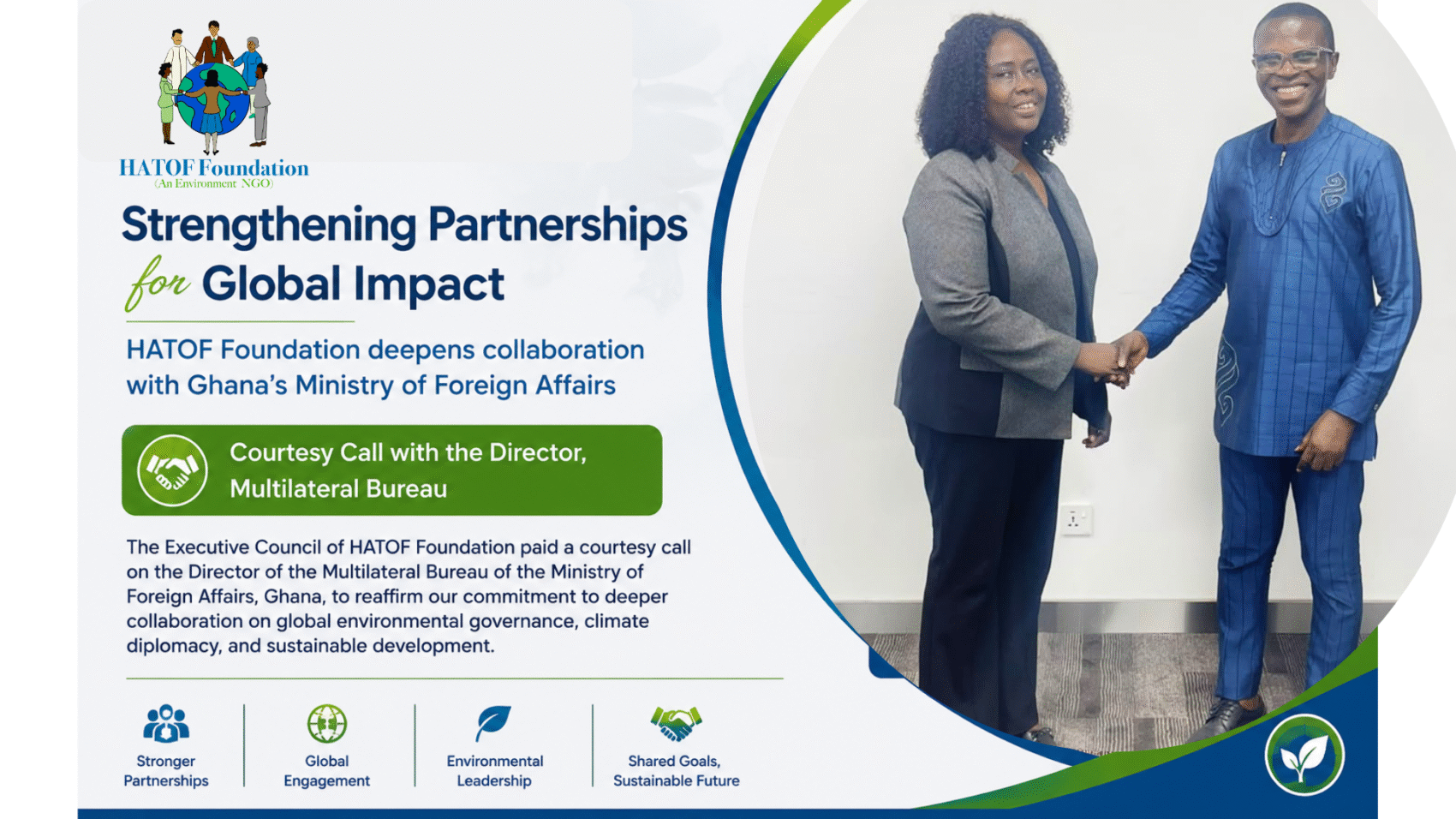
HATOF Foundation paid a courtesy call on the Director of the Multilateral Bureau of Ghana’s Ministry of Foreign Affairs as part of its ongoing efforts to strengthen strategic collaboration on international environmental governance, climate diplomacy, and sustainable development.
The meeting provided an opportunity to formally introduce HATOF Foundation’s expanding global portfolio and reaffirm the organization’s commitment to supporting Ghana’s engagement in multilateral environmental processes. Discussions focused on identifying areas of mutual interest and exploring opportunities for enhanced cooperation in advancing Ghana’s environmental and climate priorities within regional and international policy platforms.
As an international environmental non-governmental organization with legal registration in both Ghana and Canada, HATOF Foundation has established itself as a trusted partner in environmental governance, climate finance, biodiversity conservation, and sustainable development. Over the past two decades, the organization has collaborated with governments, multilateral institutions, development partners, and civil society organizations to mobilize resources, strengthen institutional capacity, and contribute to international environmental policy processes.
During the engagement, HATOF highlighted its extensive work in supporting Ghana’s participation in global environmental frameworks, including the United Nations Framework Convention on Climate Change (UNFCCC), the Convention on Biological Diversity (CBD), the Biodiversity Beyond National Jurisdiction (BBNJ) Agreement, the Intergovernmental Science-Policy Platform on Biodiversity and Ecosystem Services (IPBES), and the Intergovernmental Panel on Climate Change (IPCC).
The Foundation also reaffirmed its commitment to supporting national institutions through technical assistance, policy dialogue, capacity building, and strategic partnerships that enhance Ghana’s leadership in international environmental negotiations and sustainable development initiatives.
This engagement builds on HATOF Foundation’s longstanding collaboration with the Ministry of Foreign Affairs and reinforces a shared commitment to promoting effective multilateral cooperation, strengthening Ghana’s voice in global environmental governance, and advancing the country’s sustainable development agenda.
HATOF Foundation looks forward to continued collaboration with the Ministry of Foreign Affairs and other national and international partners in delivering innovative, inclusive, and impactful solutions to today’s environmental and climate challenges.
Together, through strong partnerships and shared vision, we can position Ghana to lead in shaping a more sustainable, resilient, and environmentally secure future.
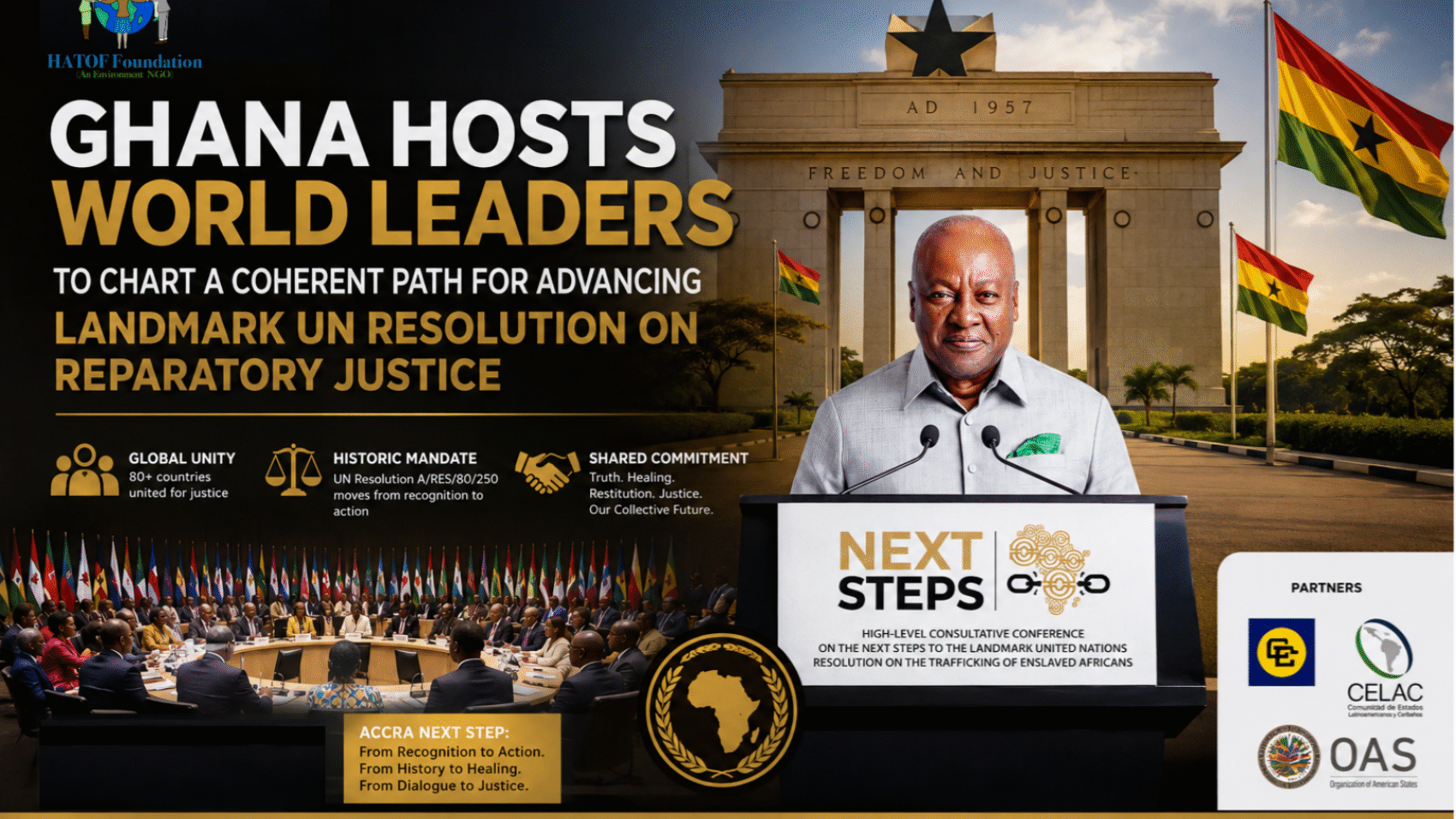
Accra, Ghana – June 19, 2026 — World leaders, policymakers, representatives of the African diaspora, academics, civil society organizations, and activists from over 80 countries convened in Accra for a three-day High-Level Consultative Conference to deliberate on the next steps following the adoption of the landmark United Nations General Assembly Resolution A/RES/80/250, which declared the trafficking of enslaved Africans and the racialized chattel enslavement of Africans as among the gravest crimes against humanity.
Held from June 17–19, 2026, at the Kempinski Hotel in Accra, the conference marked the first major global gathering since the adoption of the historic resolution by the United Nations General Assembly on March 25, 2025, in New York. Participants reflected on the significance of the resolution, assessed progress since its adoption, and explored practical mechanisms to translate its principles into concrete action.
The conference brought together several Heads of State and Government, including President of Namibia, H.E. Dr. Netumbo Nandi-Ndaitwah; President of Liberia, H.E. Joseph Nyuma Boakai, Sr.; President of Senegal, H.E. Bassirou Diomaye Diakhar Faye; Prime Minister of Barbados, Mia Amor Mottley; while President of the French Republic, H.E. Emmanuel Macron, participated virtually. Also in attendance were Ministers of Foreign Affairs, senior government officials, representatives of regional organizations, people of African descent, civil society organizations, academic institutions, and non-governmental organizations.
Delivering the keynote address, President of Ghana, H.E. John Dramani Mahama, called for a renewed global commitment to reparatory justice, emphasizing the need to demand reparations for the enslavement of “our people and the colonization of our land that resulted in the theft of natural resources.”
He stressed that reparatory justice is “not only about acknowledging the past but also about expanding opportunities, advancing human development, and creating a more just future for communities affected by the enduring consequences of this historical injustice.”
President Mahama further urged constructive engagement in the global reparations discourse, noting that “though none of the present generation can be held personally responsible for the transatlantic slave trade and the racialized chattels of enslaved Africans, every generation inherits responsibilities from the past.” While current generations may not bear direct responsibility for actions committed centuries ago, he argued, “we are responsible for the wealth those actions have helped to create – both achievements and failures.” Consequently, he stated, “we must be prepared to engage constructively even with the descendants of those who enslaved our forefathers and foremothers.”
President Mahama also underscored the importance of a gender-responsive approach to reparatory justice. He observed that the experiences of enslaved women and girls have often been marginalized in historical narratives.
“History remembers the names of the ships and merchants trading companies but forgets the names of the women whose bodies became the site of exploration or the mother standing on the shore, uncertain she will see her child again,” he said. “For many enslaved women, exploitation did not just end with the body; their bodies became instruments of economic extraction, and their capacity to bear children was transformed into a means of reproducing bondage across generations.”
According to President Mahama, reparatory justice must ensure that “the historical experiences of women and girls cannot remain footnotes in the global narrative but must occupy their rightful place at the center of truth-telling, remembrance, and memorialization.”
Renowned playwright and Nobel Laureate Wole Soyinka described the resolution as “a golden opportunity” to re-examine “a divisive history” and the continuing impact of slavery on relations between former colonizing nations and those that suffered under slavery and colonialism.
Soyinka warned that “the slave trade is not over,” pointing to contemporary forms of slavery and human trafficking affecting children and young people. He described modern slave markets and trafficking networks as “the common refuse of perpetual iniquity” and argued that opposition to reparatory justice reflects a “retrogressive understanding of history and of human relationships.”
He further noted that Africa’s challenges are not solely external, observing that some leaders continue to treat citizens “as just slaves.” For Soyinka, the broader objective must be the “rehumanization” of memory and the collective restoration of people traumatized by slavery and historical injustice.
President of Namibia, H.E. Dr. Netumbo Nandi-Ndaitwah, reaffirmed her country’s commitment to the continental quest for justice, stating that Namibia stands ready “to join others and work together in this journey.”
Describing the adoption of Resolution A/RES/80/250 as “an important historical landmark,” she emphasized that “it is not a destination. It is the beginning of a journey towards truth, acknowledgment, healing, and justice.”
She noted that the consequences of slavery, colonialism, and historical injustice continue to manifest through inequality, poverty, lost opportunities, and perceptions of people’s place in society, underscoring the continuing relevance of the reparatory justice agenda.
Prime Minister of Barbados, Mia Amor Mottley, echoed calls for a unified global effort, stressing that the demand for reparations is “not one of aggression” or violence but “one of necessity for healing humanity.”
She argued that the categorization of Africans as “chattel” and “property” stripped millions of people of their dignity and freedom and that meaningful repair remains necessary to address the shame, injustice, and structural inequalities that continue to persist through systems of power.
“Reparations should be pursued not as an act of charity but as an act of justice,” she stated.
The conference concluded with the adoption of the Accra Next Step, a framework intended to guide future international cooperation and action on reparatory justice.
Among its key outcomes was the establishment of a three-panel advisory architecture comprising:
A Global Advisory Panel on Reparatory Justice to provide strategic guidance and advance international dialogue and cooperation on reparatory justice.
An Expert Panel on the Restitution of Cultural Artifacts to facilitate efforts aimed at returning cultural property and archives to their rightful communities; and
A Legal Panel for Reparatory Justice to explore legal pathways, deepen legal understanding, and develop approaches consistent with the rule of law and human justice.
The adoption of the Accra Next Step signals a collective commitment by participating states, institutions, and stakeholders to move beyond recognition to practical measures to advance truth, healing, restitution, and justice for people of African descent worldwide.
Environmental degradation has emerged as one of the most pressing governance challenges confronting Ghana and many developing countries today. Illegal mining activities, deforestation, wetland destruction, biodiversity loss, and pollution of major river systems continue to threaten ecological sustainability, public health, and long-term economic resilience.
While environmental laws and regulatory institutions exist, enforcement outcomes remain inadequate. A significant reason for this challenge lies in the continued dominance of human-centred legal reasoning, where environmental harm is often addressed only when direct human or economic impacts become visible.
Against this background, the emerging global concept of COURTS OF THE LIVING offers an important intellectual and policy reflection for the future of environmental governance.
Understanding the concept of courts of the living
The concept of Courts of the Living does not suggest literal courtrooms for animals or ecosystems. Rather, it represents an evolving jurisprudential and policy philosophy that encourages legal systems to take ecological integrity seriously within judicial and governance processes.
At its core, the approach asks a very simple and thought provoking question: How would legal and policy decisions change if ecosystems, biodiversity, rivers like PRA, ANKOBRA, DENSU etc, forests such ACHIMOTA, and non-human life were meaningfully considered within environmental decision-making frameworks? This growing school of thought reflects wider global concerns that traditional environmental governance systems are failing to adequately protect ecological systems from irreversible degradation.
Ghana’s environmental crises
Ghana’s environmental challenges demonstrate the limitations of purely anthropocentric governance systems. For example:
Rivers polluted by illegal mining are often assessed primarily in terms of human water consumption rather than total ecosystem collapse.
Forest degradation is frequently measured through economic loss rather than biodiversity destruction.
Environmental litigation often prioritises property damage while long-term ecological harm receives less institutional attention.
The result is a governance gap where ecosystems are treated as secondary considerations rather than foundational components of national sustainability. The Courts of the Living philosophy encourages policymakers, regulators, and judicial actors to reconsider this imbalance.
Towards ecological justice in Ghana
Applying the principles underlying Courts of the Living within Ghana does not require radical constitutional transformation. Instead, it calls for practical reforms that strengthen ecological accountability in governance systems. Key policy directions may include:
1. Ecological-Centred Environmental Assessments: Environmental Impact Assessments (EIAs)as well as Environmental and Social Management plan (ESMPs) should move beyond narrow economic considerations and incorporate: Biodiversity integrity indicators, Ecosystem recovery thresholds, Long-term ecological sustainability measurements.
2. Strengthening Environmental Adjudication: Courts handling environmental disputes should increasingly integrate; Scientific ecological evidence, Environmental experts and assessors, Biodiversity impact analysis in judicial reasoning,
3. Institutionalising Ecological Governance: Environmental agencies should formally recognise; Rivers, forests, wetlands, and biodiversity systems as critical governance assets, Ecosystem degradation thresholds as enforcement triggers
4. Integrating Indigenous and traditional Ecological Knowledge: Traditional Ghanaian communities have historically maintained strong ecological stewardship systems. Incorporating indigenous environmental knowledge into governance frameworks may strengthen sustainable resource management.
International environmental law implications
The principles associated with Courts of the Living align with broader developments in international environmental law, including: The Convention on Biological Diversity (CBD), Climate adaptation frameworks and Sustainable Development Goals (SDGs) especially ( 12 ,13 and 14).
Emerging ecological justice discourse
As environmental governance evolves internationally, countries that integrate ecological thinking into policy systems may be better positioned to address biodiversity decline and climate vulnerability.
Conclusion
The environmental crisis confronting Ghana requires more than stricter regulations alone. It demands a rethinking of how governance systems conceptualise the relationship between humanity and the natural world. The philosophy behind Courts of the Living offers an important policy reflection, thus environmental sustainability cannot be achieved if ecosystems remain peripheral within legal and governance reasoning. For Ghana, integrating ecological justice principles into environmental governance may strengthen biodiversity protection, improve environmental accountability, and support long-term sustainable development. In an era of accelerating ecological decline, the future of environmental governance may ultimately depend on whether legal systems are prepared to recognise that humanity itself remains inseparable from the living
Ghana has officially held its first Delegation Meeting at the ongoing COP30 in Belem, Brazil, bringing together the Minister of State in charge of Climate Change and Sustainability, Hon. Issifu Seidu, the Chairman of the National Development Planning Commission (NDPC), Dr. Nii Noi Thompson, government officials, negotiators, and representatives from civil society organizations (CSOs). The meeting, facilitated by Dr. Nana Antwi Boasiako Amoah, the Leader of Ghana’s Negotiation Team, provided a platform for aligning national positions and reviewing progress in the ongoing negotiations across key thematic areas, including climate finance, agriculture, the global stocktake, adaptation, and response measures.
Thematic lead negotiators, including Dr. Samuel Dotse, Mr. Kingsley Amoako, Mr. Yaw Osafo, Esq., and Dr. Ama Essel, took turns briefing the Minister on the status of discussions in their respective areas, such as climate finance, agriculture, global stocktake, adaptation, and response measures, highlighting emerging opportunities and challenges for Ghana’s negotiation priorities. In his address, the Hon. Minister commended the delegation for their commitment and teamwork, urging them to forge ahead with focus and determination in the negotiation rooms while keeping Ghana’s national interests and development needs at heart. He also encouraged stronger networking and collaboration among delegates and partners to enhance Ghana’s voice and visibility at COP30.
The meeting concluded with remarks from the Chief Director of the Ministry of Environment, Science, and Technology, and a general discussion on coordination strategies to strengthen Ghana’s participation throughout the conference.
Initially, the Open-Ended Meeting of the Committee of Permanent Representatives (OECPR) reviewed proposed resolutions from various countries, ultimately forwarding 19 draft resolutions to the COW for further negotiations and adoption by the Assembly.
The COW organized its work into five clusters:
Abating Pollution and Promoting Sound Management of Chemicals and Waste
Halting and Reversing the Loss of Nature while Restoring Ecosystems
International Environmental Governance
Addressing Root Causes of the Triple Planetary Crisis
Procedural, Budgetary, and Administrative Matters
By February 29, 2024, the COW had withdrawn four draft resolutions, provisionally endorsed 12 draft resolutions and two draft decisions, and submitted these for adoption by the Environment Assembly on March 1, 2024.
Three draft resolutions required additional consideration through informal consultations among parties with differing views. Ultimately, all dissenting parties agreed, allowing for the adoption of the final texts during the Assembly session.
The successful adoption of these resolutions and the Ministerial Declaration marks a significant step toward reinforcing global commitments to environmental sustainability and collaborative action.
The Sixth UN Environment Assembly (UNEA-6) Ends With The Adoption Of 15 Groundbreaking Resolutions And Ministerial Decisions
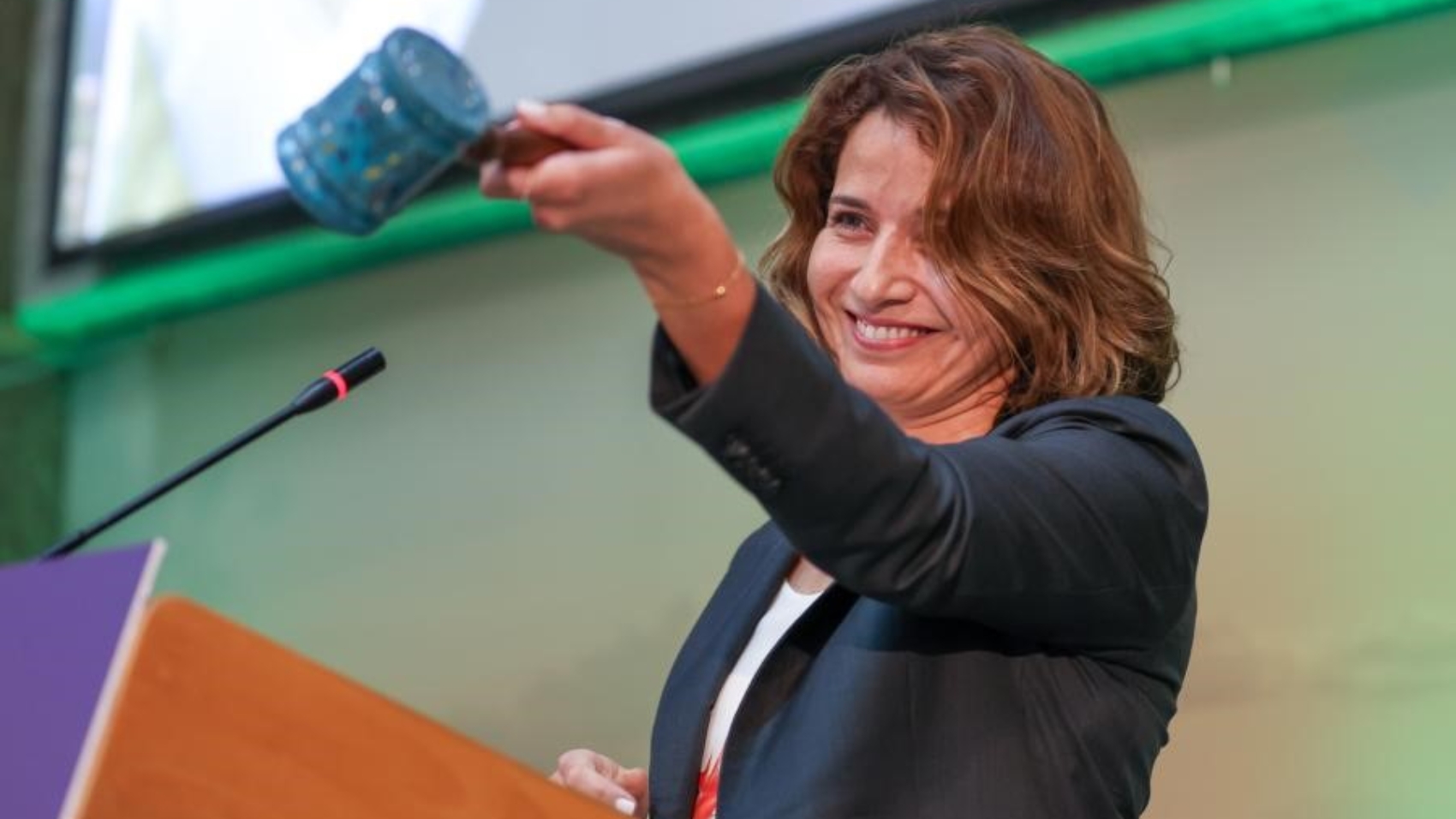
President of the UNEA-6 and Minister of Energy and Sustainable Development of Morocco, H.E. Leila Benali
The 15 resolutions and two decisions adopted by delegates are:
Circularity of a resilient, low-carbon sugar cane agro-industry
Amendments to the Instrument for the Establishment of the Restructured Global Environment Facility
Enhancing the role and viability of regional forums of environment ministers and United Nations Environment Programme regional offices in achieving multilateral cooperation in tackling environmental challenges
Promoting synergies, cooperation or collaboration for national implementation of multilateral environmental agreements and other relevant environmental instruments.
Environmental aspects of minerals and metals
Fostering national action to address global environmental challenges through increased cooperation between the United Nations Environment Assembly, the United Nations Environment Programme and multilateral environmental agreements
Combating sand and dust storms
Promoting sustainable lifestyles
Sound management of chemicals and waste
Promoting regional cooperation on air pollution to improve air quality globally
Highly hazardous pesticides
Environmental assistance and recovery in areas affected by armed conflict
Effective and inclusive solutions for strengthening water policies to achieve sustainable development in the context of climate change, biodiversity loss and pollution.
Strengthening international efforts to combat desertification and land degradation, restore degraded land, promote land conservation and sustainable land management, contribute to land degradation neutrality and enhance drought resilience.
Strengthening ocean efforts to tackle climate change, marine biodiversity loss and pollution.
Decision on the Management of trust funds and earmarked contributions
Decision on the provisional agenda, dates and venue of the seventh session of the United Nations Environment Assembly
On February 29, 2024, the Major Group Facilitating Committee hosted a multistakeholder dialogue titled “Partnering for the Environment: Inclusive Multilateralism Fit for Purpose.”
This session aimed to enhance effective multilateralism in addressing climate change, biodiversity loss, and pollution, focusing on synergies between these crises and the role of technology, including artificial intelligence, in identifying actionable, sustainable solutions.
The dialogue gathered representatives from member states, major groups, and the private sector, providing a platform for high-level discussions during the Assembly’s segment. Participants were able to interact directly with decision-makers, facilitating meaningful exchanges.
Stakeholders emphasized that each major group possesses unique strengths that can contribute to environmental action, underscoring the need to leverage these resources effectively.
Member state representatives stressed that governments should not shoulder the environmental burden alone and highlighted the importance of engaging with major groups and stakeholders. They advocated for including diverse delegations and consultation before negotiations and ensuring access to vital information.
The dialogue also illuminated the necessity of innovative partnerships and collaboration to harness the expertise of various stakeholders and foster new collaborative methods. Key elements identified for implementing effective environmental solutions included:
Financial Commitment: A dedicated investment in adaptation and green technologies.
Support for Women: Creating systems that empower women in environmental initiatives.
Indigenous Knowledge: Incorporating the insights and practices of Indigenous Peoples to enhance environmental strategies.
The dialogue reinforced the importance of inclusive and collaborative approaches in tackling pressing environmental challenges.
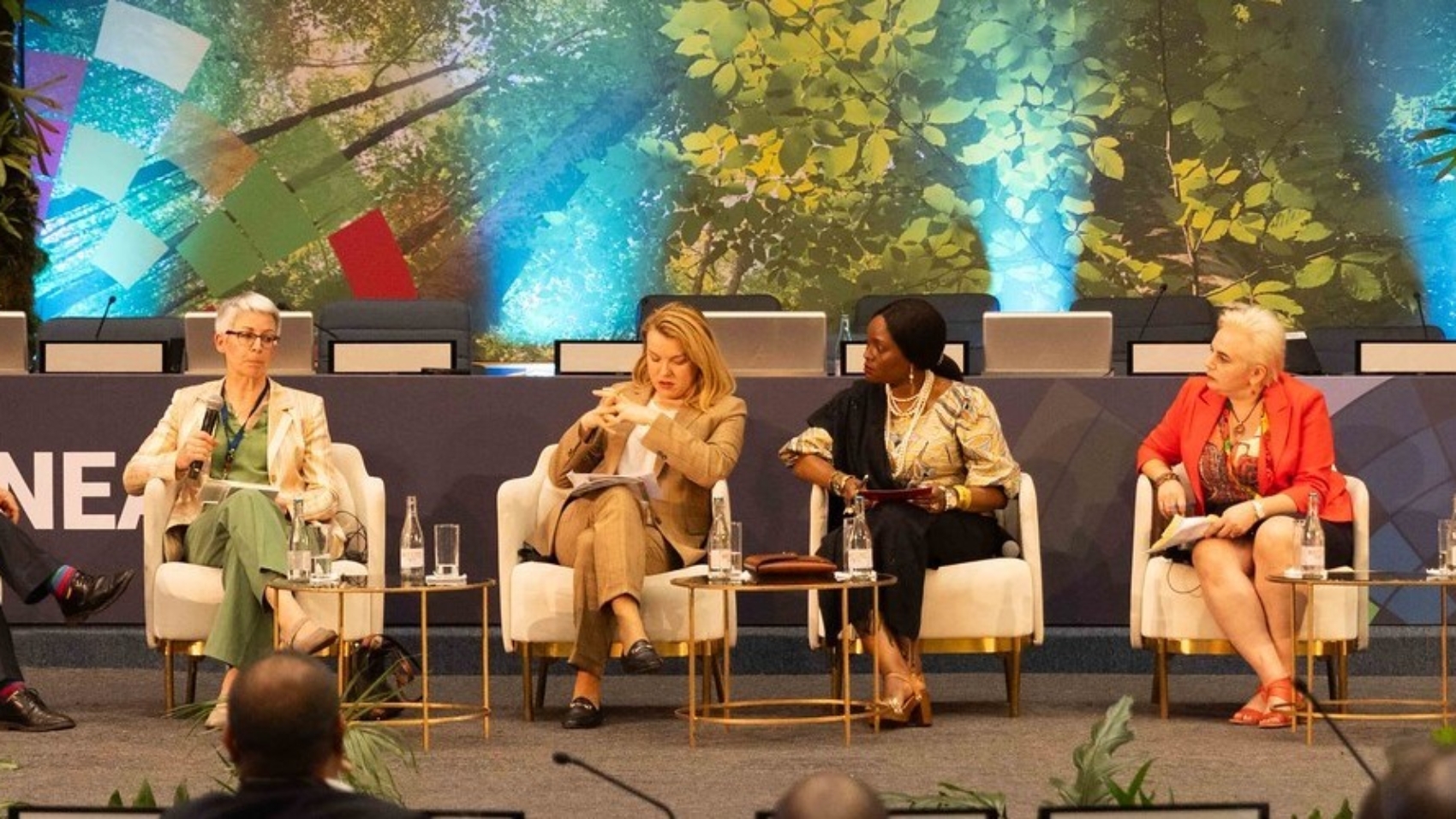
On February 28, 2024, the United Nations Environment Assembly (UNEA-6) held discussions on enhancing cooperation with multilateral environmental agreements (MEAs). The event featured an opening plenary and two high-level dialogues aimed at strengthening collaborative actions, sharing experiences, and increasing the visibility of MEAs.
During the opening plenary, H.E. Leila Benali, President of UNEA-6 and Minister of Energy and Sustainable Development of Morocco, characterized MEA Day as a “historical step on the road to strengthening convergence of action and dialogue on the global environmental agenda.” She emphasized the importance of multilateralism and called for equity, inclusivity, and mutual respect among delegates as they collectively leverage cutting-edge solutions to address the triple planetary crisis.
UNEP Executive Director Ms. Inger Andersen acknowledged the ongoing global efforts to combat environmental degradation but warned of the accelerating nature of the crisis. She urged stakeholders to seize the opportunity to “create the big picture of a stable climate, healthy nature, thriving lands, and a pollution-free planet.”
Statements were also delivered by leaders from various MEAs, including the President of the 15th Conference of Parties (COP15) to the Convention on Biological Diversity, the COP12 President of the Vienna Convention for the Protection of the Ozone Layer, and the Executive Secretary of the United Nations Convention to Combat Desertification; the Executive Secretary of the Basel, Rotterdam, and Stockholm Conventions; and the Director of the Transparency Division, United Nations Framework Convention on Climate Change.
Hatof Foundation UNEA
The first high-level dialogue, “Strengthening the science-policy interface for effective implementation of environmental commitments,” aimed to enhance collaboration among MEAs, UNEP, scientific panels, and platforms. The focus was on improving the use of scientific information in decision-making to support environmental commitments addressing climate change, biodiversity loss, and pollution. The second dialogue centered on “Strengthening cooperation between UNEA, UNEP, and MEAs to enhance effective implementation at the national level, including through means of implementation.” Participants discussed challenges and opportunities in fostering integrated implementation of environmental commitments through enhanced cooperation among UNEA, UNEP, and the governing bodies of MEAs. They explored practical strategies for UNEA to support shared objectives in addressing climate change, biodiversity loss, and pollution.
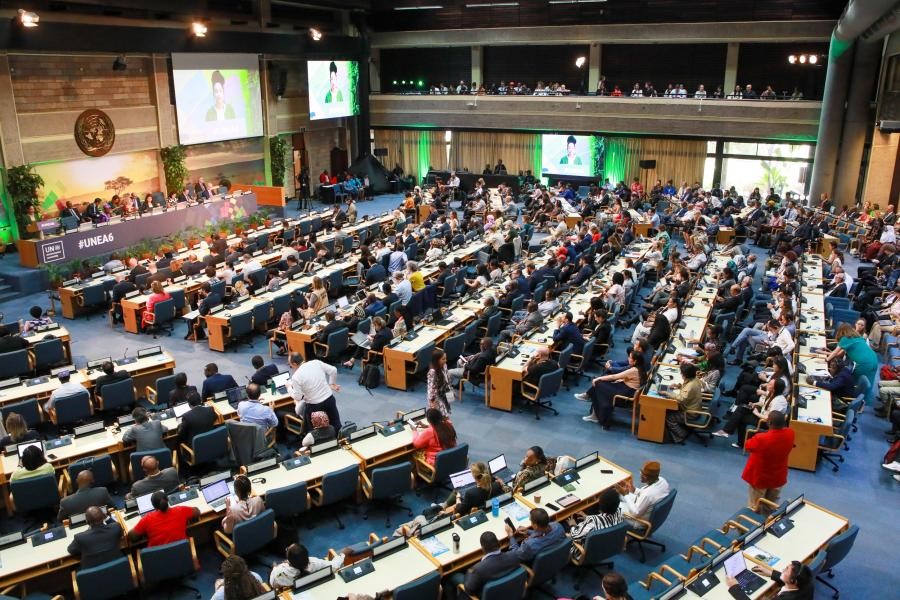
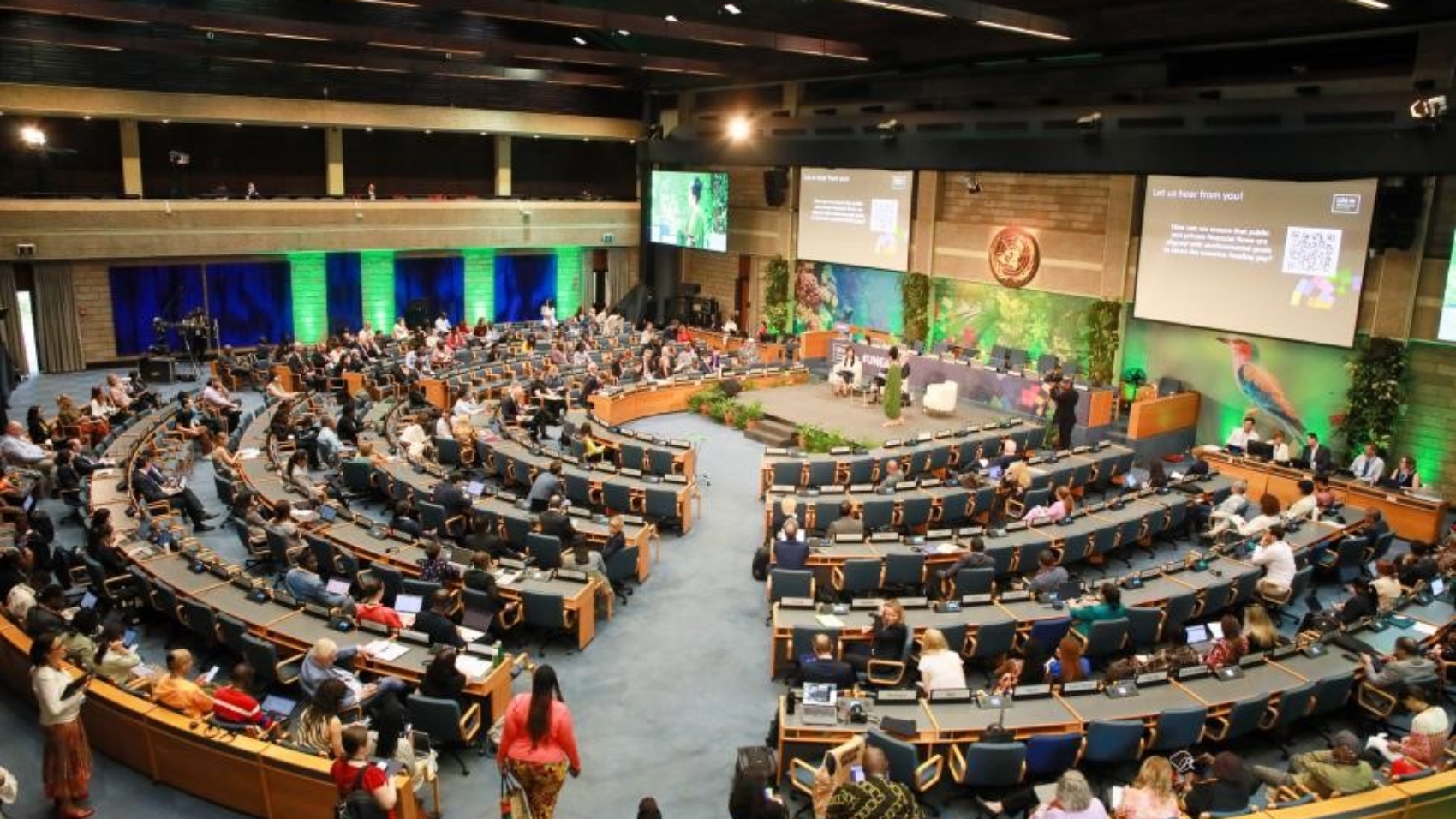
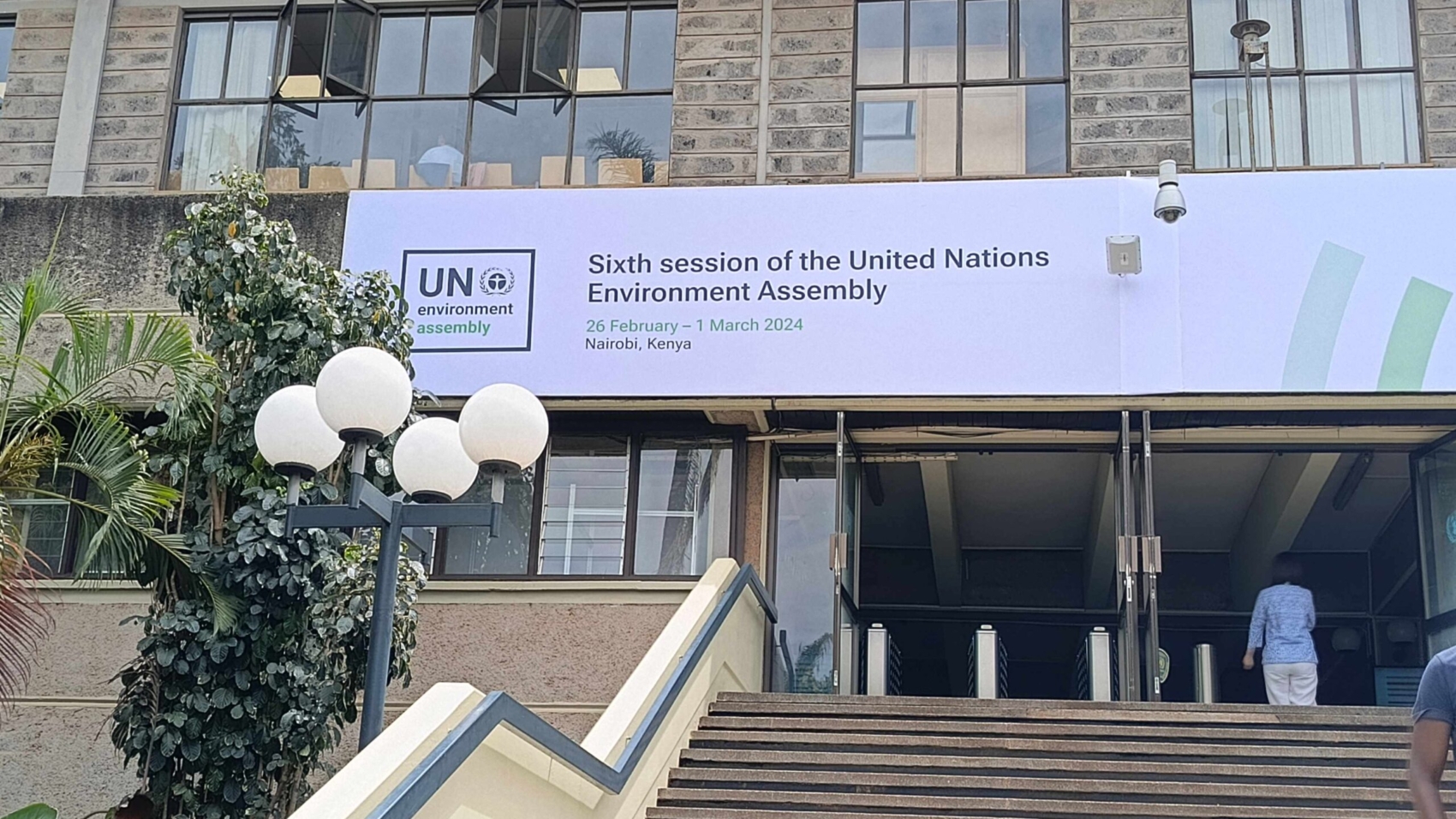
On Monday, February 26, 2024, the sixth session of the UN Environment Assembly (UNEA-6) officially opened at the UN Environment Programme (UNEP) headquarters in Nairobi, Kenya, with an ambitious plan for the week.
The Assembly aimed to restore harmony between humanity and nature, improve lives for vulnerable people, and tackle the triple planetary crisis of climate change, biodiversity loss, pollution and waste through multilateralism.
At the opening plenary, UNEA-6 President Leila Benali (Morocco) acknowledged the hard work of the various stakeholders in the lead-up to the Assembly and highlighted three nuances that may militate against the work of the Assembly. These included major conflicts impacting the world, the potential rise of populist movements in 2024 since fifty percent of the world’s population is preparing for the polls, and the opportunity to restore trust in multilateralism and humanity at UNEA-6.
The UNEP Executive Director, Inger Andersen, urged UNEA-6 delegates to unite in addressing climate change, biodiversity loss, and pollution, urging for strong resolutions to build a peaceful, equitable, and sustainable future transcending political differences.
Many regional groups welcomed and expressed support for the Kunming-Montreal Global Biodiversity Framework, the Global Framework on Chemicals, and the United Nations Convention on the Law of the Sea Agreement on Conservation and Sustainable Use of Marine Biological Diversity in Areas Beyond National Jurisdiction (BBNJ).
Establishment of the Committee of the Whole
At the opening plenary of the UNEA6, the Assembly established a Committee of the Whole (COW) to negotiate outstanding draft resolutions and decisions brought forward by the Open-Ended Meeting of the Committee of Permanent Representatives (OECPR).
The OECPR is a technical meeting for the UN Environment Assembly, preceding the Assembly from February 18–23, 2024. It prepares the agenda and considers proposals from countries for further negotiations by the COW.
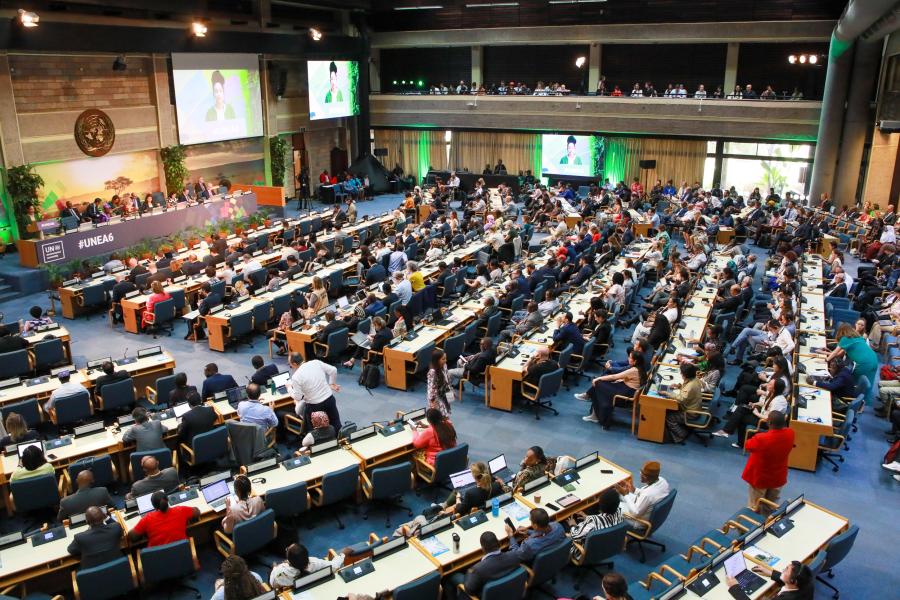
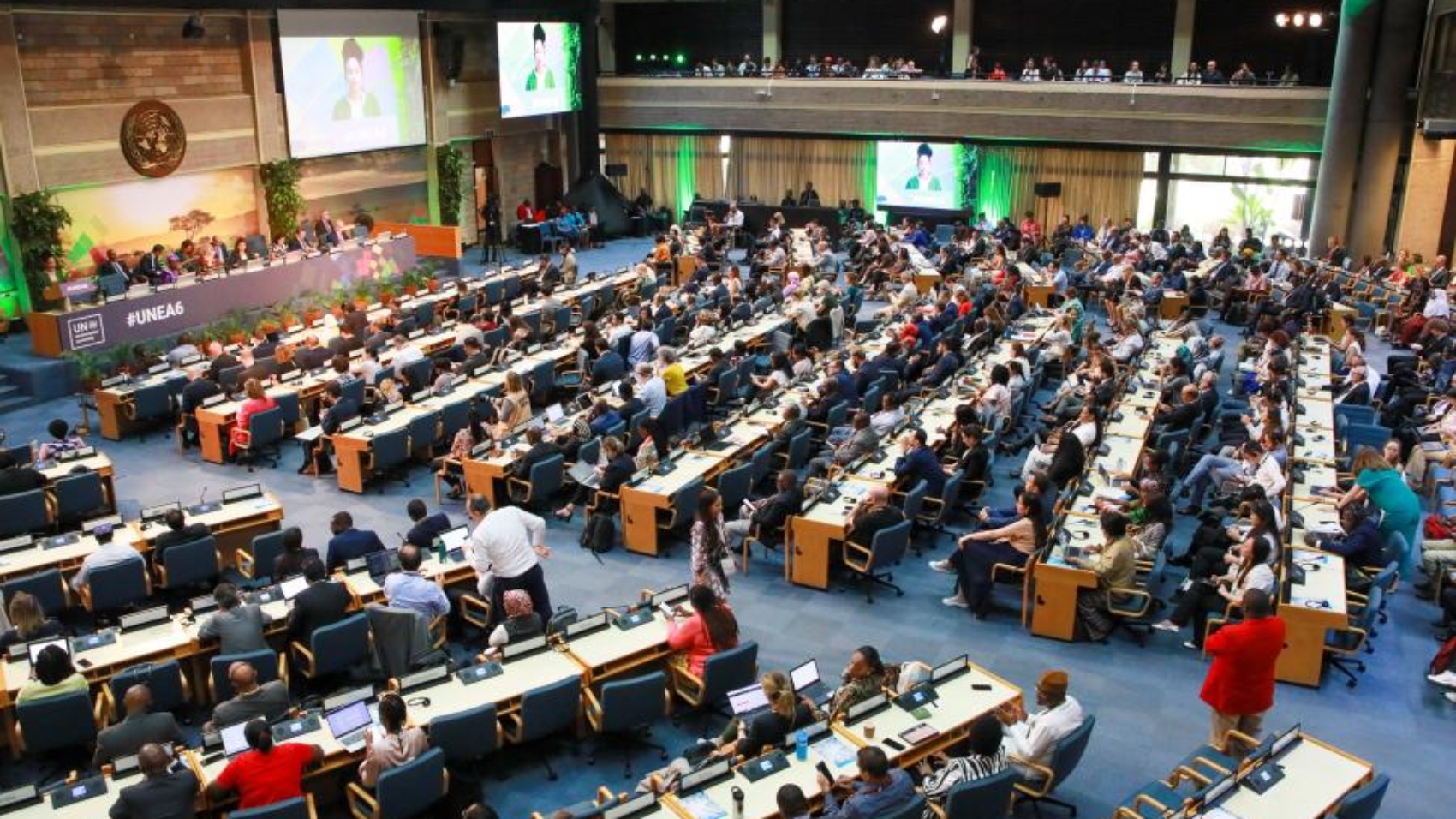
Throughout the week, delegates met in plenaries and as the Committee of the Whole (COW) to finalize 19 draft resolutions and two draft decisions forwarded by the Open-Ended Committee of Permanent Representatives.
The Committee finalized its work on February 29, 2024, and submitted it to the Assembly for adoption on March 1, 2024.
HATOF Foundation is attending the sixth session of the United Nations Environment Assembly (UNEA-6), convened from February 26 to March 1, 2024, at the UNEP headquarters in Nairobi.
The United Nations Environment Assembly (UNEA) is the world’s highest environmental decision-making body. At the sixth meeting, the UNEA is meeting under the theme “Effective, inclusive, and sustainable multilateral actions to tackle climate change, biodiversity loss, and pollution.”
The Assembly thus aims to restore harmony between humanity and nature, improve lives for vulnerable people, and tackle the triple planetary crisis of climate change, biodiversity loss, pollution, and waste through multilateralism.
Among other matters, UNEA-6 will discuss international environmental policy and governance proposals related to the year’s theme.
The Assembly is preceded by a meeting of the Open-ended Committee of Permanent Representatives from February 19–23, 2024, to consider the proposals for discussion at the UNEA-6 and lay the groundwork for the Assembly to take off.
The sixth Open-Ended Meeting of the Committee of Permanent Representatives (OECPR-6) serves as a preparatory meeting for the UNEA agenda and pre-negotiation.
It deliberates the content and wording of proposed resolutions, declarations, and decisions for endorsement and approval by the Assembly.
Other meetings to be convened at the Assembly include high-level segment and national statements, Multilateral Environmental Agreements Day, leadership dialogues, and multistakeholder dialogues.
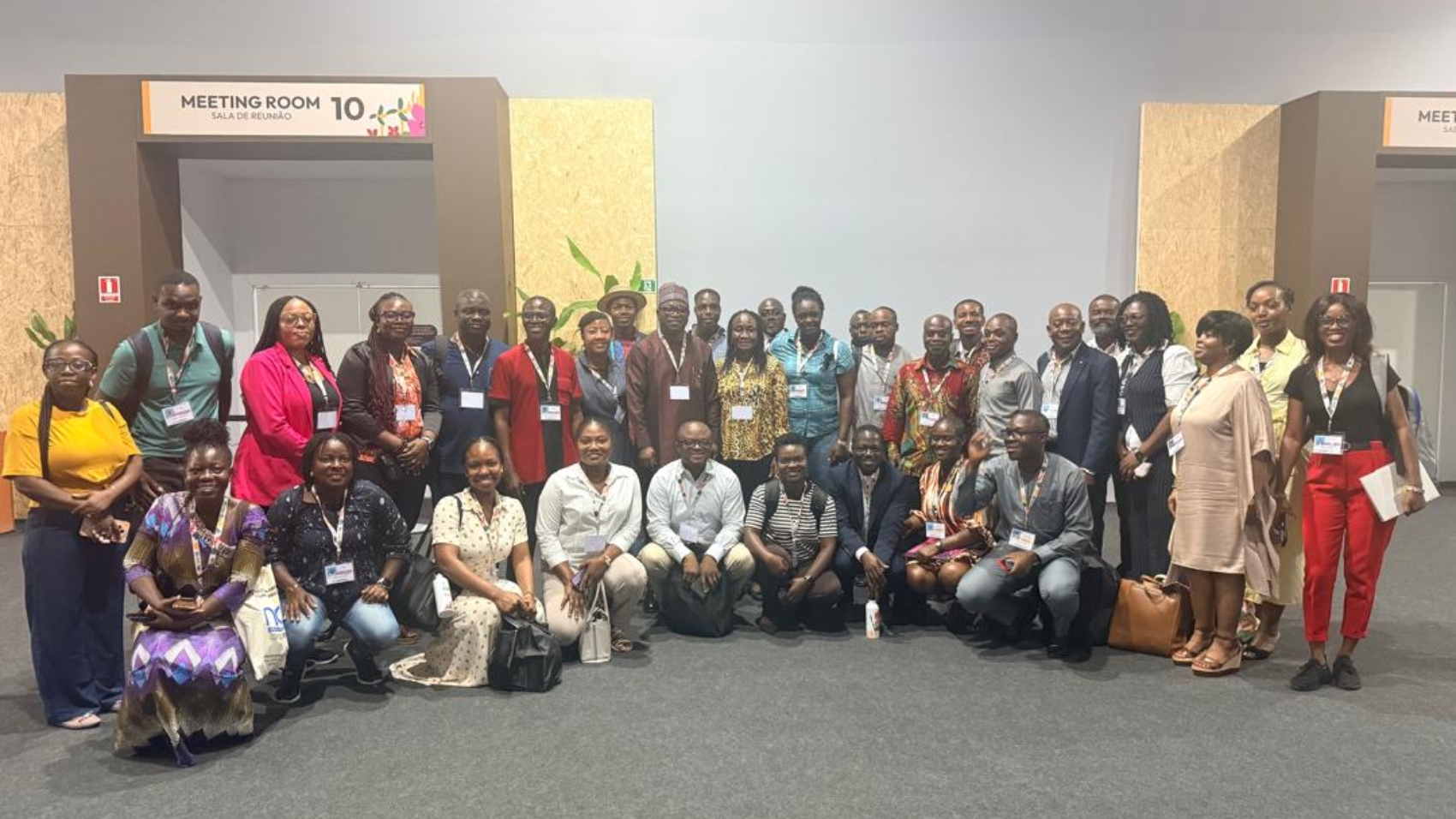
HATOF Foundation delegation is led by the Chiefe Executive Officer, Dr Samuel Dotse, and accompanied by the Deputy Chief Executive Officer, Ms. MaryJane Enchill, and the Partnership and Engagement Officer, Mr. Josh Edem Kojo Dotse
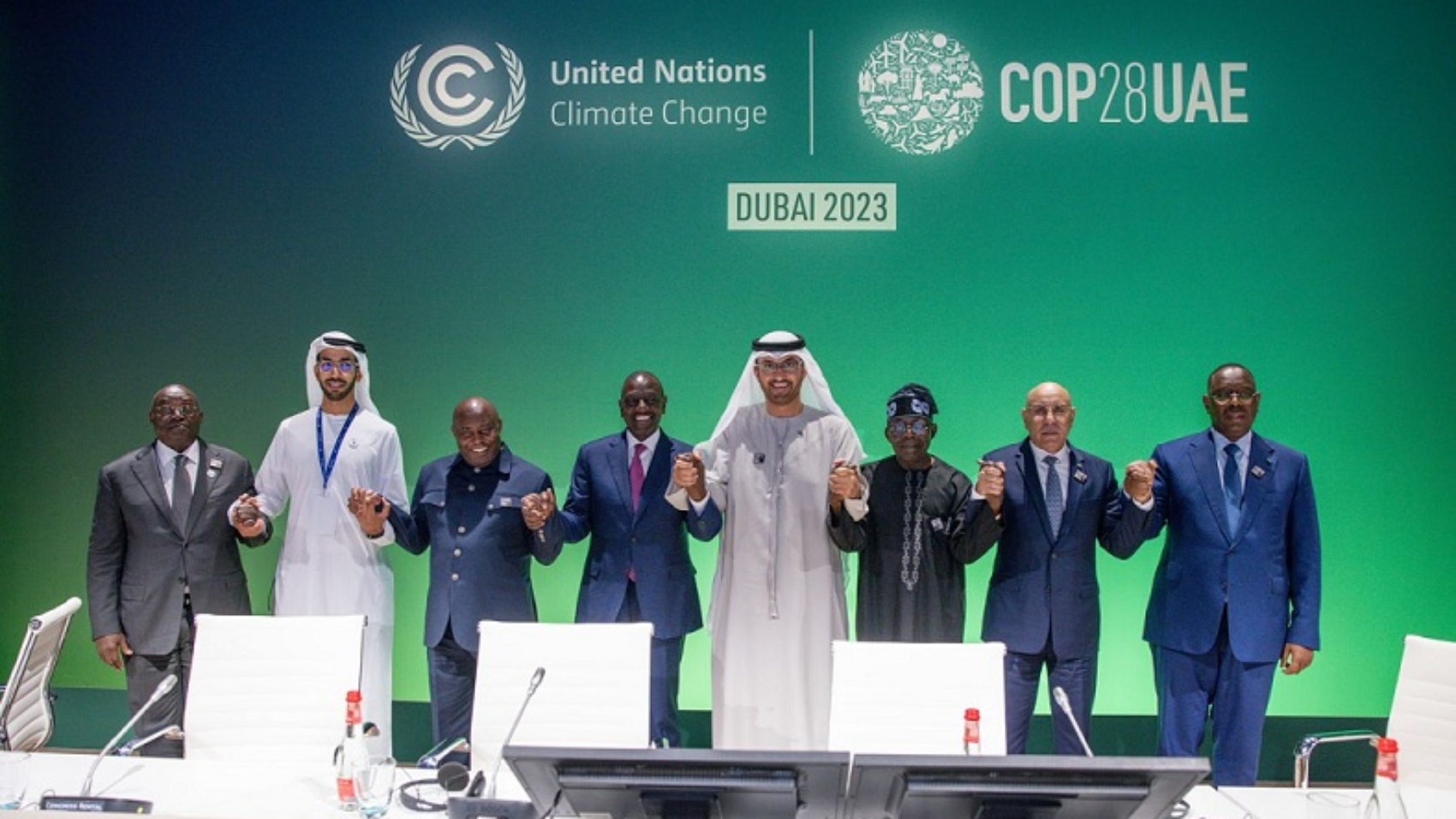
Every year, the world meets at what we call the Conference of Parties (COP) to determine ambitions and responsibilities and identify measures for climate action. The COP also reviews and assesses the effect of measures parties have introduced to limit climate change against the overall goal of the United Nations Framework Convention on Climate Change (UNFCCC).
When the COP28 president, Dr. Sultan Al Jaber, CEO of Abu Dhabi National Oil Company (ADNOC), was announced, many people within the climate space felt his election was a mismatch for the climate debate where there were rising calls for keeping fossil fuels on the ground. There were many doubts about what the conference could achieve in a “petrostate,” and Dr. Al-Jaber was considered a fossil fuel mogul.
However, COP28 had a promising start as Dr. Sultan al-Jaber led the opening session on November 30, 2023, with the summit agenda adopted within hours and the funding arrangements for the Loss and Damage Fund operationalized.
The main themes discussed at COP28 have been the Global Stocktake, Fossil fuel phaseout or phasedown, renewable energy targets, carbon markets, loss and damage, climate finance, and adaptation. Here are some We will bring you some highlights.
Climate Finance
The discussions under finance have been to bridge the financing gap between developed and developing countries by setting a climate goal for 2030 and beyond and addressing calls to double the adaptation finance.
It would be recalled that in 2009 at COP15, developed countries pledged to mobilize $100 billion per year by 2020 for developing countries to combat climate change through mitigation and adaptation activities, and to date, this goal has not been achieved. This failure was because the decision was politically motivated and not necessarily science-based. To correct this mistake, the New Collective Quantified Goal (NCQG) on climate finance is being negotiated to set realistic targets and ensure a more effective approach to climate finance. The NCQG is to raise the floor of climate finance above $100 billion annually to address the needs and priorities of developing countries and is set to be adopted at COP29 next year. The main issues to be addressed in the NCQG include the quantity, quality, accountability, additionality, and transparency of climate finance.
But so far, negotiations on this item have primarily focused on procedural or methodological matters, with moderate political sensitivity and slow progress. This makes it unlikely that any concrete decision will be made on this crucial topic at this year’s COP28.
Loss and Damage Fund agreed – But money is a drop in the ocean
Loss and damage in the context of climate change is an irreversible destruction and loss of lives and livelihoods resulting from climate change. Hence, the decision to establish the loss and damage fund was celebrated as a historic success of COP27 in Egypt. Despite the many dissenting views on the need to establish a different funding mechanism, the big news of the first day of COP28 was that countries reached an agreement to set up the loss and damage fund, with the UAE immediately pledging USD 100 million. Pledges flowed from other countries, including Germany, the UK, the USA, Japan, and the EU, totaling USD 726 million (€674 million).
Regardless, climate activists are unsatisfied with the total amount pledged because the amount is nothing compared with the profits oil industries are making.
According to a report by the International Energy Agency (IEA), the profit of the oil and gas industries jumped to $4 trillion (€3.7 trillion) in 2022. Meanwhile, the irreversible economic and non-economic impact that the loss and damage fund seeks to address is estimated at $400 billion (€371 billion) annually. This puts the current pledges at just 0.2 percent of developing countries’ cost of climate breakdown.
Energy Transition – Phase out and phase-down of fossil fuel
Contrary to the public outcry regarding the election of Dr. Sultan Al Jaber as COP28 president, negotiations at COP28 have focused, among other critical issues, on decarbonizing the energy sector and many calls to fast-tracking the energy transition.
We have witnessed momentum in the first week of COP28, with over 85% of the global economy, representing 123 countries endorsing goals to triple renewable energy capacity BY 2030 and energy efficiency.
The prominent bone of contention at COP28 has been the issue of fossil fuel phaseout or phase down by 2030. What is the difference? To phase out means a shift from coal, oil, and gas until their use is eliminated – thus a complete end, while to phase down is understood to mean a reduction in fossil fuel use but not a complete end.
The phaseout/phase-down language has become a flashpoint for many oil, gas, and coal-producing countries.
We observed that while Chile, the EU, and others want the final COP28 deal to include a clear call on phasing out fossil fuel use, Saudi Arabia, Russia, and others are pressing down on any mention of fossil fuel phase-down.
Meanwhile, the US and China have avoided the terms altogether. Negotiators are thus looking for alternative wording that will still signal a shift from fossil fuels by the 2030s.
Global Stocktake – COP28 Success definer
One of the significant concerns and perhaps the most important text to finalize at COP28, which could also determine the success or otherwise of COP28, is the global stock take (GST). The GST is a two-year assessment of progress made by countries in implementing their nationally determined contributions towards addressing climate impacts. With the assessment results being very disappointing, the big agenda at COP28 is to negotiate a text on fossil fuel phase-out or phase-down in the global stocktake of progress to limit temperature rise to 1.5C, as agreed in the Paris Agreement. We notice that the current draft text has retained the fossil fuel phase-out language, but the decision to maintain or delete it is yet to be taken – by the end of COP.
Shocking and dramatic
One shocking and dramatic issue of the first week was the COP President revealed to have said that there was “no science” behind the call for fossil fuel phase-out. Upon receiving backlashes from climate campaigners, he quickly held a press conference to state that he was taken out of context and that phasing out or phasing down fossil fuels was “inevitable and in fact essential.” A COP28 spokesperson further defended progress made at the summit by stating that about 51 oil companies were invited to COP28 to agree to decarbonization targets.
Declarations and Announcements
11 pledges and declarations launched and received mixed levels of multinational support in areas including agriculture, health and peace.
$83 billion (€76.9 billion) in financial pledges and contributions mobilized in just five days of the summit.
$467 million pledged for urban climate action.
Launch of the Coalition for High Ambition Multi-Level Partnerships (CHAMP) with 65 countries
Rest Day at COP28
On Thursday, 7 December 2023, the official negotiations paused for a day’s rest. As the conference resumes today, Friday, 8 December 2023, we look forward to tackling the finer details of negotiation texts for the second week.
Meanwhile, President Al Jaber has signaled a goal to close the summit on schedule – thus, December 12 at 9 am during an open dialogue held with observers and parties last Wednesday.
Considering that eight years of the last COPs have stretched over by 24 hours, including COP26 in Glasgow and COP27 in Egypt, closing on time would have been a great feat the climate talks would have chalked under his leadership.