RAINFALL TAX 2

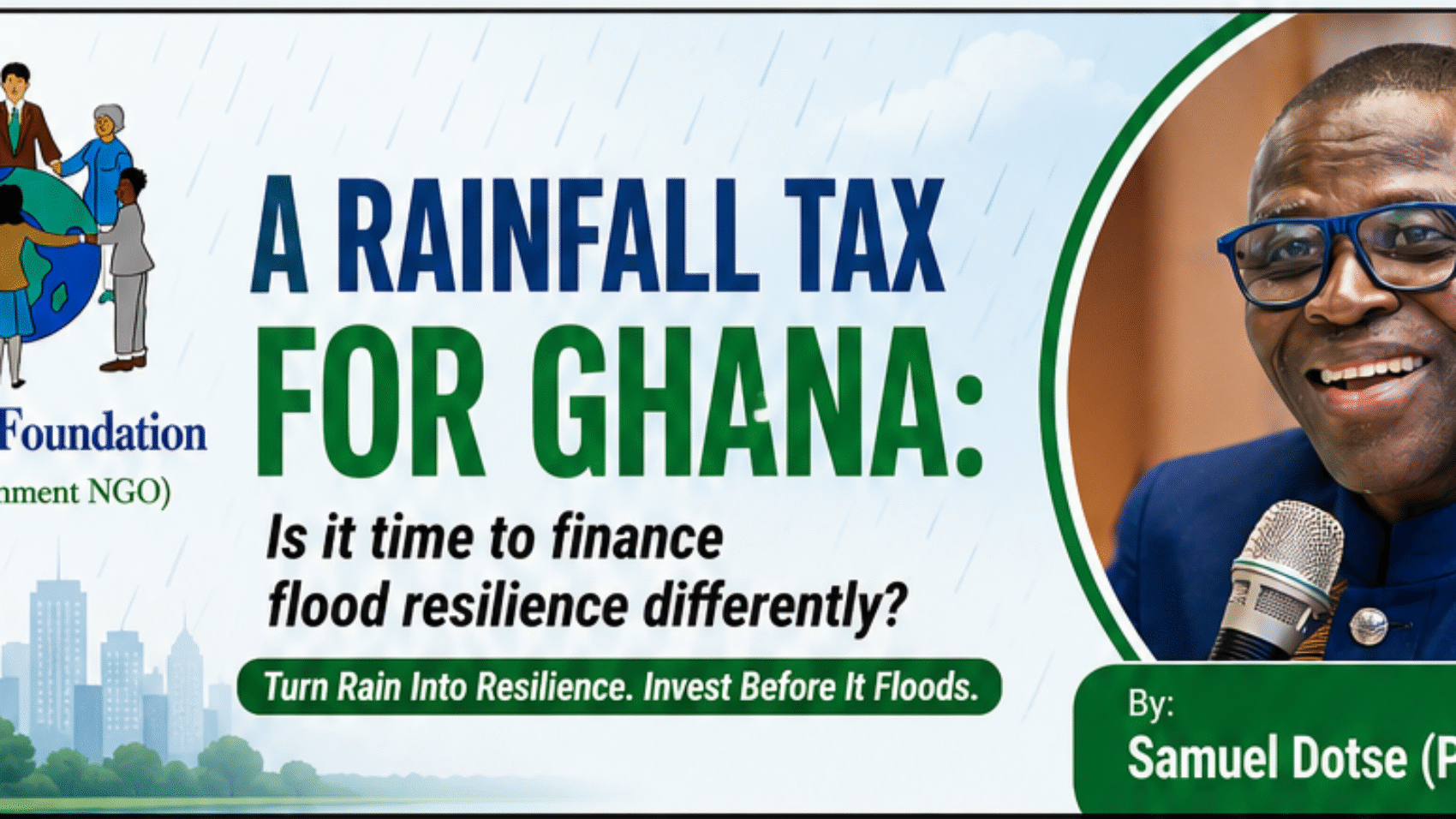
A rainfall tax for Ghana: Is it time to finance flood resilience differently?

For decades, Ghana has treated flooding as an emergency. Every rainy season, government agencies and some corporate bodies, including a few religious organisations and individuals mobilise relief items, reconstruct damaged roads and bridges, desilt drains, and compensate affected victims and communities.

This cycle repeats itself year after year, consuming public, private and individual resources that could otherwise be invested in national development.

Perhaps it is time for Ghana to consider a bold policy innovation which I will call RAINFALL TAX.

Concept of the rainfall tax
The proposal is not a tax on the rain that falls from the atmosphere. Rather, it is an environmental financing mechanism that requires developments with extensive impermeable surfaces such rooftops, concrete compounds, shopping centres, parking areas and paved landscapes to contribute towards the cost of managing the rainwater runoff they generate as a result of their actions.

Urban flooding and scientific evidence
From available literature, scientific evidence shows that urban flooding in Ghana is increasingly linked to the rapid replacement of natural vegetation with concrete surfaces as well as building on natural waterways and converting naturally occurring waterlogged areas into development landscapes.

As a result, these impermeable surfaces expand, rainwater can no longer infiltrate the soil but instead flows rapidly into drains and waterways that are already choked with plastics and solid waste, overwhelming existing infrastructure and causing floods.

Research on the Accra Metropolis found that large sections of the city have become natural runoff convergence zones, with approximately one-third classified as flood-prone and another quarter experiencing frequent flooding due to topography, drainage patterns and urban development.

Historical context of flooding in Ghana
Flooding in Accra and its environs are not new. Historical records indicate major flood events dating back as published on the front page of The Ghanaian Daily Graphic of 18th April 1960 just to mention as emphasis and support my argument and the catastrophic June 3, 2015, disaster, among many others are testimonials we have worked for.

The June 3, 2015, flood and fire disaster remains one of the darkest moments in Ghana’s recent history. More than 150 lives were lost, over 53,000 people were affected, and extensive damage occurred to homes, transport systems, water infrastructure and businesses.

The estimated direct economic damage exceeded US$55 million, while reconstruction needs were estimated at approximately US$105 million eleven years ago.

Economic and developmental impact
Beyond these headline figures lies an even greater economic burden. Every flood destroys individual homes and property, roads, schools, markets, electricity infrastructure and private investments while reducing productivity, disrupting transport and imposing heavy fiscal pressures on Ghana’s constrained budget.

Shift from reactive to proactive policy
Academics, researchers and sustainable development practioners including resilience infrastructure experts have consistently argued that Ghana’s flood management strategy should move from reactive disaster response towards proactive investment in resilience, risk reduction and integrated urban water management. This is where the rainfall tax proposal becomes relevant.

Policy mechanism and design
The principle is simple: developments that increase rainwater runoff should contribute to financing the infrastructure needed to manage that runoff.

When implemented, revenue generated could be deposited into a dedicated Rainwater Management Fund, protected by law and used exclusively for drainage expansion, desilting of waterways, rainwater harvesting systems, retention ponds, wetland restoration, green infrastructure, flood forecasting systems and climate adaptation projects.

Incentives for green infrastructure
The tax could also encourage environmental stewardship by providing rebates to households, industries and commercial properties that install rainwater harvesting systems, permeable pavements, green roofs or other sustainable drainage technologies.

Climate change and financing context
As climate change increases the frequency and intensity of extreme rainfall events across West Africa, Ghana requires innovative domestic financing mechanisms that complement international climate finance while reducing dependence on emergency expenditures after disasters occur.

Core policy question
The debate should therefore not be whether Ghana should tax rain. The real question is whether those developments that significantly increase runoff should contribute to the public cost of managing its consequences.

Cost of inaction
Every year, unmanaged rainfall costs Ghana lives, livelihoods and millions of cedis in infrastructure damage. A carefully designed Rainfall Tax could transform that same rainfall into a predictable source of financing for climate resilience, safer cities and sustainable development.

The choice before Ghana today is simple: continue paying for floods after they happen, or invest in managing rainfall before it becomes a disaster.

Conclusion
In otherwise, choice before Ghana is no longer between action and inaction, but between repeated disaster recovery and strategic resilience financing. A Rainfall Tax offers a practical pathway to convert an escalating climate risk into a structured investment in national protection, infrastructure durability, and long-term economic stability.

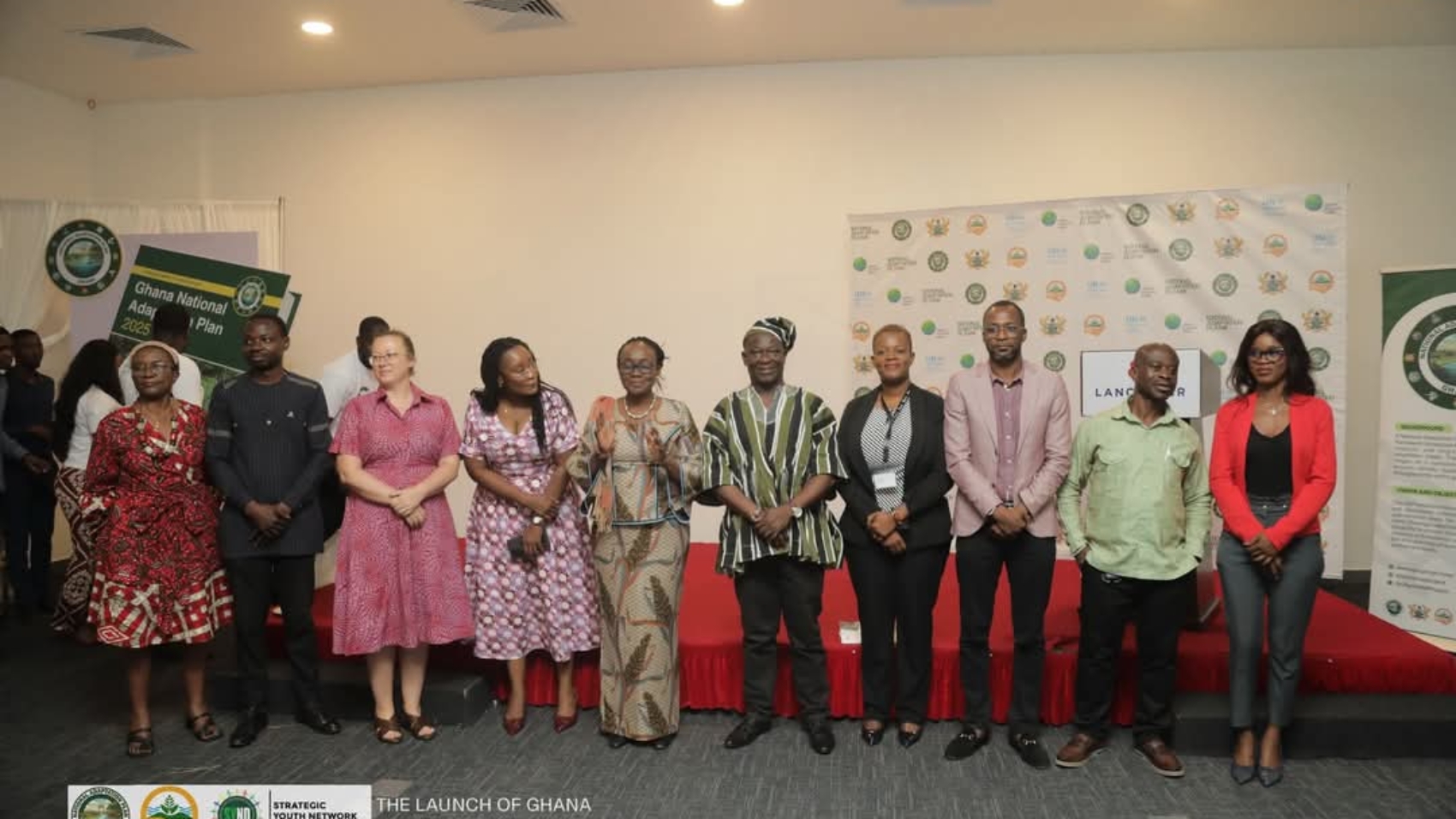
PHOTO-2026-04-26-22-43-54

Beyond the UNFCCC COPS: A New Climate Coalition puts science at the heart of global action

A quiet but potentially transformative shift in global climate governance is underway or has emerged. While the world’s attention often gravitates toward the annual United Nations framework convention on climate negotiations ,commonly referred to as ( climate summit or COP) a new model of cooperation is emerging, one that places science, rather than politics, at the center of decision-making.

From 24 to 30 April 2026, more than 50 countries gathered in Santa Marta, Colombia, for what was described as the first global summit dedicated specifically to phasing out fossil fuels. The meeting was jointly organized by the governments of Colombia and the Netherlands, under the leadership of Gustavo Petro- the presidentof Columbia. Unlike traditional UN climate conferences such as the last ended one in Belem (COP30), this meeting deliberately brought together only those countries willing to advance a clear transition away from oil, gas, and coal.

This marks a significant departure from the consensus-driven approach that has long defined international climate negotiations. In those forums, progress is often slowed by divergent national interests, particularly from major fossil fuel-producing states. In Santa Marta, however, the emphasis was not on negotiating compromise but on accelerating implementation.

At the heart of this new approach is the creation of the Science Panel for the Global Energy Transition (SPGET), a body designed to provide direct, policy-relevant scientific guidance to participating governments. This initiative complements but also challenges the traditional role of the Intergovernmental Panel on Climate Change( IPCC) which has historically provided neutral scientific assessments without prescribing specific policy actions.

The distinction is important because where the IPCC informs, the new panel intends to guide. Where global processes often dilute scientific recommendations through political negotiation, this new initiative seeks to preserve their urgency and clarity.

The summit also saw the release of a report outlining twelve high-level actions to support a global transition away from fossil fuels. Among the most notable recommendations are an immediate halt to new fossil fuel infrastructure, the gradual elimination of subsidies that artificially lower the cost of fossil energy, and the rapid scaling of investments in renewable energy systems.

These proposals are not new in scientific circles. What is new is the political willingness among a coalition of countries to act on them decisively.

The implications of this development extend far beyond the participating nations. It signals the rise of what analysts increasingly describe as “coalition-based climate governance,” where groups of like-minded countries move ahead independently of slower multilateral processes. This model offers speed and ambition, but it also raises questions about inclusivity and global coordination.

For countries such as Ghana, the emergence of such coalitions presents both opportunities and challenges. On one hand, aligning with science-driven initiatives could unlock access to climate finance, technology transfer, and leadership positioning within the Global South. On the other, it may require difficult policy adjustments, including the reform of energy subsidies and a reassessment of fossil fuel development strategies.

More broadly, this development reflects an evolving landscape in international environmental governance, one that resonates with existing frameworks such as the Convention on Biological Diversity. In both cases, the integration of scientific knowledge into policy is central. However, the Santa Marta initiative suggests a more direct and less mediated pathway from scientific evidence to political action.

Whether this model will complement or compete with the United Nations system remains to be seen. What is clear, however, is that the urgency of the climate crisis is driving innovation not only in technology and finance, but also in the very architecture of global cooperation.

As the world continues to grapple with rising emissions and intensifying climate impacts, initiatives such as this may well define the next phase of international climate action one where those ready to move forward do so, guided firmly by science.

By Dr. Samuel Dotse, CEO HATOF Foundation, a sustainable development and international environmental law expert with over 25 years of experience in multilateral environmental negotiations.

WhatsApp Image 2025-12-08 at 4.23.30 PM

HATOF Foundation Highlights Role of Civil Society at Launch of Ghana’s National Adaptation Plan

Accra, Ghana – 4 December 2025: HATOF Foundation joined national leaders, development partners, and stakeholders at the official launch of Ghana’s National Adaptation Plan (NAP) held at the Lancaster Hotel in Accra. The launch marks a major milestone in the country’s climate resilience efforts, providing a long-term framework to guide adaptation priorities across sectors, communities, ecosystems, infrastructure, and livelihoods.

Representing the Foundation, Deputy CEO Ms. MaryJane Enchill delivered a statement emphasizing the vital contribution of civil society organizations (CSOs) in driving inclusive, community-led climate adaptation in Ghana.

In her remarks, Ms. Enchill emphasized that CSOs remain closest to community realities and therefore play a crucial role in ensuring that national adaptation strategies reflect the lived experiences of communities.

“Civil society is uniquely positioned to bring forward real, first-hand information about local vulnerabilities, needs, and opportunities. Our role is to ensure that national plans are grounded in community realities, not just broad assumptions,” she noted.

She outlined several initiatives through which HATOF has strengthened the participation, capacity, and impact of civil society in Ghana’s climate response. These include:

  • A GEF-SGP–funded Capacity Development and Knowledge Management Project, which enhanced CSO capacity to engage effectively in national and sub-national planning and policy processes.
  • The GCF CSO Readiness Project, through which HATOF trained 40 CSOs across 10 networks on climate policy, project design, monitoring, evaluation, and financing, boosting civil society’s ability to contribute to Ghana’s Nationally Determined Contributions (NDCs) and wider adaptation priorities.
  • Community-based biodiversity restoration and nature-based solutions initiatives that support both climate resilience and local livelihoods.

According to Ms. Enchill, these experiences demonstrate a proven model in which empowered and knowledgeable CSOs help deliver more grounded and meaningful climate adaptation outcomes.

As Ghana begins implementing the NAP, HATOF reaffirmed the shared responsibility of civil society in achieving national adaptation goals. Ms. Enchill outlined three core commitments CSOs bring to the process:

  • Amplifying community voices to ensure local realities shape adaptation interventions.
  • Supporting implementation through on-the-ground restoration, livelihood, and climate-resilience projects.
  • Facilitating access to climate finance by helping develop proposals, mobilize resources, and promote transparency in implementation.

Ms. Enchill reiterated that successful adaptation requires strong, coordinated partnerships between government, communities, and civil society.

“Achieving a climate-resilient Ghana requires more than top-down planning. It demands collaboration, inclusion, and the full engagement of communities. HATOF is ready and committed to playing this role today and in the years ahead,” Ms. Enchill concluded.

She pledges HATOF’s commitment to collaborating with partners at all levels to support the implementation of the National Adaptation Plan and promote a more resilient, inclusive, and sustainable future for Ghana.

WhatsApp Image 2025-11-18 at 1.22.06 PM

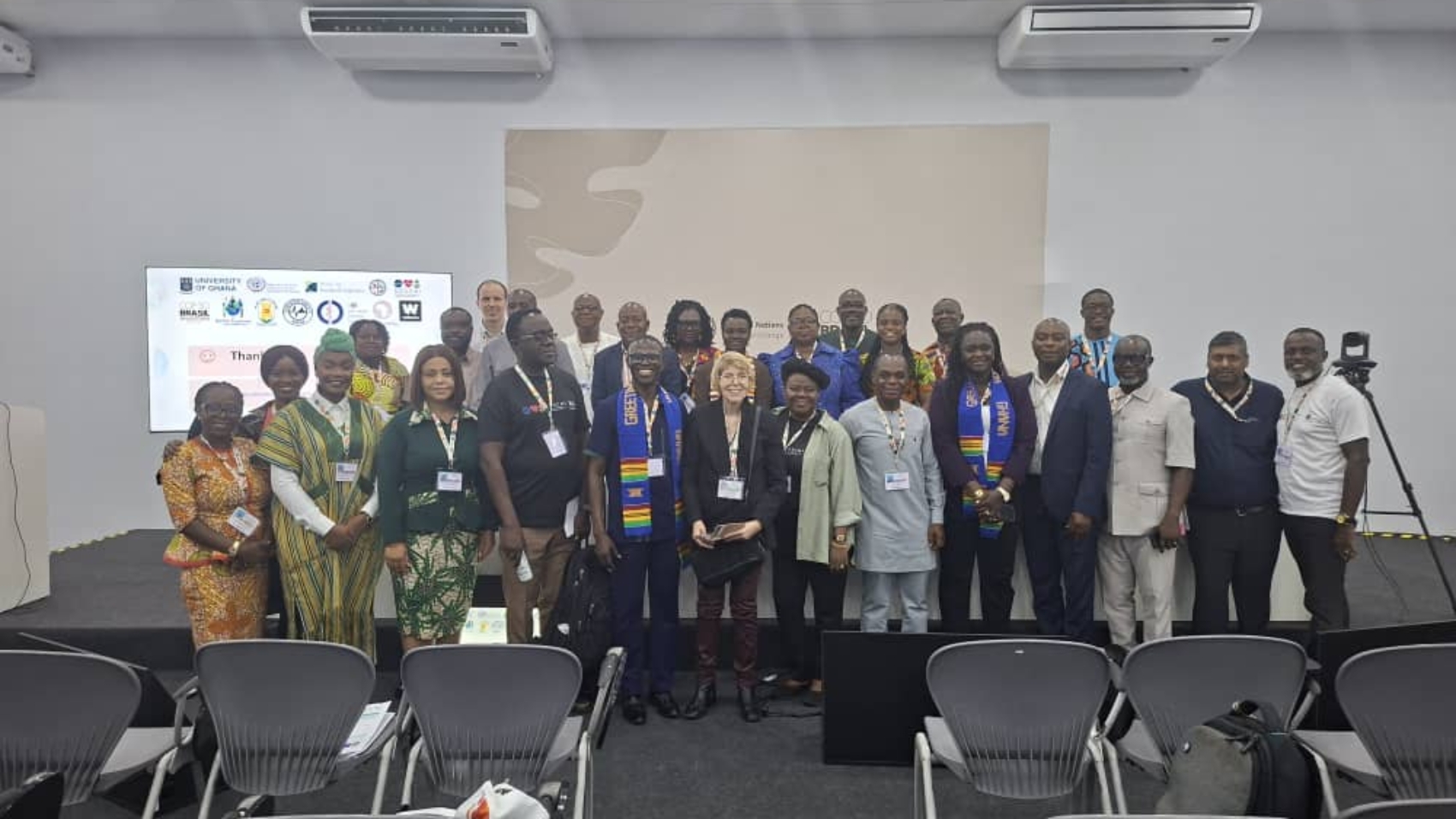
HATOF Foundation Leads High-Level Climate–Health Dialogue at COP30 Brazil, Belém 🇬🇭🇧🇷

17 November 2025 –Belém, Brazil: HATOF Foundation, in partnership with the government of Ghana, the Regional Institute for Population Studies, University of Ghana, and the SOSCHI global project team, convened a high-level official side event on the sidelines of ongoing United Nations Thirtieth Climate Change Conference (COP30) in Belem, Brazil to present groundbreaking evidence on climate-health interactions and the urgent data needs for climate-informed policy. The event brought together senior government leaders, international experts, and civil society actors committed to integrating health outcomes into climate action.

In attendance were key national leaders, including Prof. Nana Ama Browne Kluste, Chief ExecutiveOfficer of the Environmental Protection Agency; Dr. Huge Brown, CEO of the Forestry Commission; and Dr. Nii Moi Thompson, Chairman of the National Development Planning Commission, reflecting Ghana’s strong political commitment to climate-health resilience.

Opening Remarks by Dr. Samuel Dotse, CEO, HATOF Foundation

Dr. Dotse underscored the importance of placing vulnerable communities at the centre of climate action. Highlighting HATOF’s community-based adaptation initiatives, he noted that climate change is already reshaping health risks and livelihoods across Ghana. He emphasized the need for stronger evidence systems, deeper collaboration, and investments that ensure resilience, particularly for communities facing multiple climate and health vulnerabilities.

Referencing HATOF’s flagship interventions, Dr. Dotse showcased:

  • The ACTUATE Waste-to-Energy Project, implemented with CSIR Ghana and Lancaster University, which installs anaerobic digesters in schools and communities to convert waste into biogas and fertilizer. The project improves sanitation, reduces methane emissions, enhances school gardens, and lowers disease risks — a model climate-health solution.
  • Restoration of over 4,000 hectares of degraded landscapes and coastal zones, including mangrove rehabilitation, tree planting, and soil restoration, benefiting more than 1,000 community members trained in sustainable land use.
  • The GCF CSO Readiness Programme, which built the capacity of 40 civil society organisations across 10 networks, enabling them to mobilize climate finance, engage with national climate frameworks such as NDCs and NAPs, and lead community-based resilience actions.

Key Findings from SOSCHI & Ghana Statistical Service Presentations

Dr. Aaaron Christian from the Regional Institute for Population Studies, University of Ghana, presented cutting-edge research under the Standards for Official Statistics on Climate-Health Interactions (SOSCHI) project, offering one of the most comprehensive analyses of how climate variables affect health outcomes in Ghana.

Major findings included:

1. Cerebrospinal Meningitis (CSM)

  • Dust–dryness conditions sharply increase CSM cases, while humidity reduces the effect.
  • Solar radiation and wind further amplify CSM risk.

2. Malaria

  • Extreme temperatures significantly elevate malaria cases across districts.
  • Attributable cases range from 762 in Greater Accra to 7,735 in the Bono Region.

3. Child Undernutrition

  • Rising average temperatures increase the risk of stunting, underweight, and anaemia.
  • Household WASH conditions and caregiving quality account for 9–12% of the mechanisms linking climate and nutrition.

4. Climate Impacts on Health Systems

Health facilities experience major climate-related operational disruptions, including:

  • Flood-induced service interruptions, network failures, and supply chain delays
  • Heat-related fatigue among health workers
  • Water scarcity is affecting hygiene and workflow
  • Infrastructure weaknesses, higher cooling costs, and medicine storage challenges

Integrating Climate-Health Evidence into National and Global Frameworks

Dr. Bernice S. Ofosu-Baadu of the Ghana Statistical Service highlighted the alignment of SOSCHI indicators with the Global Set of Climate Change Statistics and Indicators and the Framework for the Development of Environment Statistics (FDES). She emphasized:

  • The need for harmonized statistical systems to track climate-related diseases, undernutrition, and health system vulnerability
  • Current challenges such as fragmented data sources, limited technical capacity, sparse monitoring networks, and resource constraints
  • The importance of strengthening national statistical systems to deliver coherent, policy-relevant climate-health evidence that connects to global reporting frameworks

Strengthening the Belém Health Action Plan (BHAP)

The evidence presented strongly supports the Belém Health Action Plan by demonstrating:

  • The need for climate-informed early warning systems
  • Integrated multi-hazard approaches covering health, environment, WASH, and nutrition
  • Standardized climate-health indicators for tracking vulnerability and adaptation progress
  • The importance of building resilient health systems capable of withstanding climate shocks

Conclusion

The side event reaffirmed HATOF Foundation’s leadership in advancing climate-health research, community-based adaptation, and national statistical reforms. The participation of Ghana’s top-level policy leaders signaled a strong national commitment to ensuring climate-health evidence translates into concrete action.

The HATOF Foundation and its partners have called for sustained investment in climate-health data systems, cross-sector collaboration, and community-centered adaptation strategies as Ghana and the world pursue a healthier, climate-resilient future.

WhatsApp Image 2025-11-13 at 12.41.39 PM

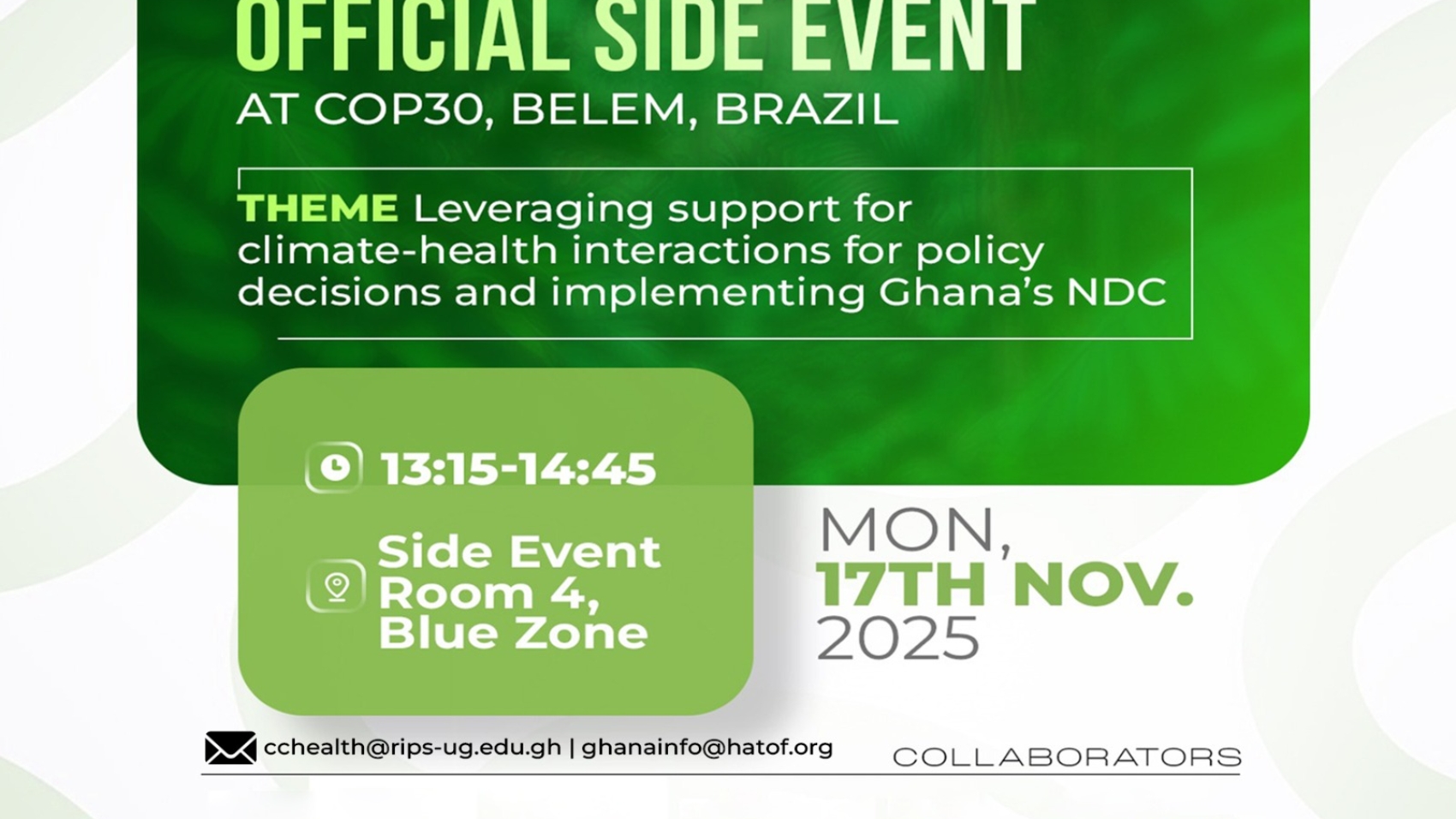
HATOF Foundation, SOSCHI Partners and Government of Ghana hosts Official Side Event at COP30, Belem, Brazil

Title 1. Leveraging support for climate-health interactions for policy decision-making and
the implementation of Ghana’s NDCs

Lead Organizer HATOF Foundation
Collaborating Institutions: SOSCHI-Ghana (Regional Institute for Population Studies), Environmental Protection Authority (EPA), Forestry Commission, Ghana Statistical Service (GSS), and United Nations Global Platform.


Introduction Climate change presents urgent and complex challenges for health, ecosystems, and sustainable development, particularly in the Global South, where vulnerabilities are high, and data systems remain fragmented. Despite growing evidence linking climate impacts to health outcomes and environmental degradation, from heat-related mortality to deforestation and biodiversity loss, many national data and policy frameworks still lack the capacity to systematically integrate these insights for informed decision-making.
This side event will showcase Ghana’s leadership in developing integrated, data-driven approaches to climate action that link health, environment, and sustainable livelihoods. It will highlight innovations in climate–health data systems and the role of nature-based solutions, and forest carbon initiatives in accelerating the implementation of Ghana’s NDCs and strengthening resilience across sectors. This event aligns with COP30’s theme, “Climate and Biodiversity for a Just Transition.”

Key Discussion Areas
➢ Integrating Climate–Health Data into National Policy: Demonstrating how Ghana is piloting UN endorsed frameworks to mainstream climate–health interactions into its NDCs, NAPs, LTS, and TNAs.
➢ Demonstrate the application of novel metrics and statistical methods, including data integration and local vulnerability modelling, developed through Ghana’s implementation.
➢ Health, Ecosystem, and Finance Synergies: Connecting ecosystem protection and forest management to improved public health outcomes, biodiversity conservation, and climate justice.
➢ Civil Society and Data Innovation: Highlighting HATOF Foundation’s work in translating data into community-based adaptation, preparedness, and advocacy.
➢ Inclusive Implementation and Financing: Exploring how health, environment, and forestry sectors can jointly mobilize resources, private sector investment, and local participation to accelerate the delivery of Ghana’s NDCs and the Global Stocktake (GST).

Objective
This session aims to catalyse an inclusive dialogue on integrating climate, health, and ecosystem resilience into national policy and planning. By linking innovations in climate–health data with lessons from REDD+ initiatives, the discussion will explore how multisectoral partnerships can strengthen Ghana’s adaptive capacity, support biodiversity conservation, and ensure equitable, evidence-based implementation of the NDCs
Expected Outcomes
➢ Enhanced understanding of how climate–health data and REDD+ benefit sharing can jointly advance integrated NDC implementation.
➢ Greater recognition of data-driven approaches as complementary tools for resilience and public health protection.
➢ Identification of joint financing, data-sharing, and policy entry points to sustain Ghana’s integrated climate–health–forestry initiatives.
➢ Increased visibility of Ghana’s leadership in developing high-integrity, datadriven, and socially inclusive approaches to climate action.

SPEAKERS
➢ Hon. Issifu Seidu, Minister of State in charge of Climate Change and Sustainability, Ghana

➢ Prof. Nana Browne Klutse, CEO, EPA, Ghana
➢ Prof. Delali Dovie, SOSCHI-Ghana, Regional Institute for Population Studies
➢ Dr. Samuel Dotse, CEO, HATOF Foundation

➢ Dr. Nana Antwi Boasiako Amoah, Director, Climate Vulnerability and Adaptation, EPA, Ghana
➢ Forestry Commission, Ghana
Date Monday 17 November, 2025
Time 13:15-14:45 (Local Time)

C50A2006

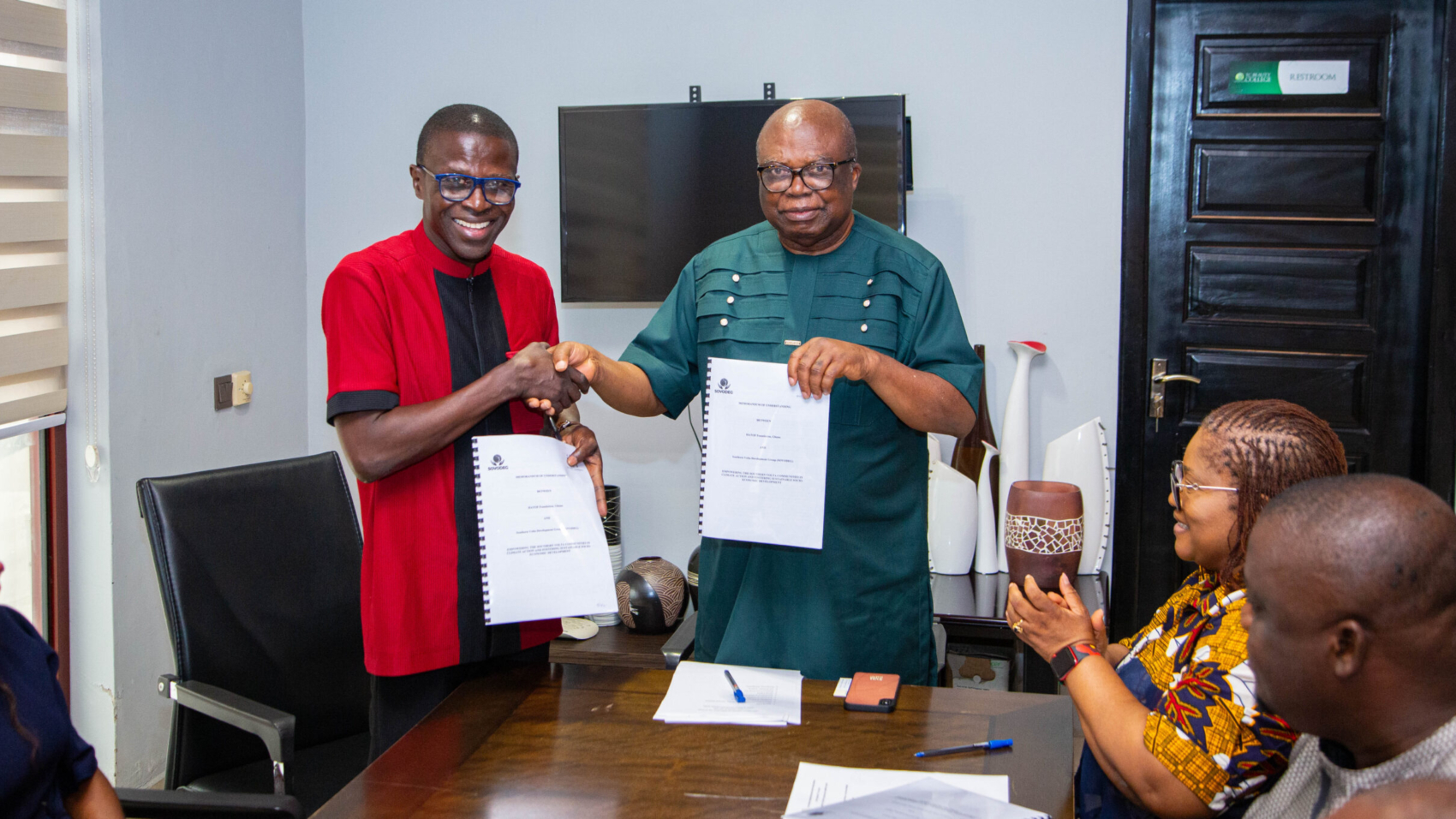
HATOF Foundation and SOVODEG Sign MoU to Advance Climate Action and Community Development in Southern Volta

In a significant step toward deepening collaborative climate resilience efforts, HATOF Foundation has officially signed a Memorandum of Understanding (MoU) with the Southern Volta Development Group (SOVODEG).

The MoU, signed on the 8th of July, 2025, formalizes the cooperation between HATOF and SOVODEG with a long term vision to support the protection and improvement of the marine and coastal environment, enhance the active and effective participation of the Southern Volta communities in national and global climate action and promote sustainable socio-economic development by leveraging business opportunities.

This partnership reflects a mutual commitment to strengthening environmental governance and advancing inclusive development models tailored to local contexts through joint projects focused on:

  • Climate change adaptation and mitigation,
  • Sustainable livelihoods,
  • Community-led conservation, and
  • Knowledge-sharing and advocacy.

“This is more than a formal agreement; it is a promise to communities that we are working together to ensure they thrive in the face of climate risks,” said by Dr. Samuel Dotse (PhD), speaking on behalf of HATOF Foundation.

We look forward to the impactful journey ahead with SOVODEG and remain committed to scaling solutions that bridge environmental protection with social and economic transformation.


Dr. Samuel Dotse Honored as Laureate of Distinction in Climate Change at 2025 Millennium Excellence Awards

Dr. Samuel Dotse Honored as Laureate of Distinction in Climate Change at the 2025 Millennium Excellence Awards


Kumasi, Ghana – May 9, 2025 – Dr. Samuel Dotse, Founder and CEO of the HATOF Foundation, has
been awarded the prestigious Millennium Excellence Award for Climate Change Excellence at a
grand ceremony held at the Manhyia Palace, the seat of Asantehene in Kumasi.
Conferred by the Millennium Excellence Foundation under the auspices of its Life Patron, His
Royal Majesty Otumfuo Osei Tutu II, the Asantehene, the award recognises Dr. Dotse’s
outstanding contributions to sustainable development, environmental conservation, and climate
action.
Selected as the Laureate of Distinction from among 49 high-profile nominees——including leading
figures from government, academia, private sector, and civil society—Dr. Dotse stood out for his
exceptional leadership in climate change advocacy.
In a citation read in his honour, the Foundation praised Dr. Dotse’s work, stating:
“We are proud to celebrate your advocacy for biodiversity conservation, capacity building for climate
change action, climate finance mobilization, policy influence and research. Your efforts reinforce your
commitment to addressing climate change and promoting sustainable development in Ghana and
beyond.”
The citation further reads, “This award is a testament of our collective appreciation, and a reminder
that the similitude of positive impact is like that of a bright glowing lamp in the depth of darkness; it
serves its immediate surrounding whilst giving hope and direction to many across the entire horizon.”
It concluded with a quote from Nelson Mandela: “Your profound impact will be forever immortalized
by the giant footprint of your exemplary life. As H.E. Nelson Mandela once said, ‘The greatest glory
in living lies not in never falling, but in rising every time we fall. And in the end, it’s not the years in
your life that count, it’s the life in your years.’”
At a grand dinner later that evening, His Royal Majesty Otumfuo Osei Tutu II personally
conferred Gold Medals of special recognition on Dr. Dotse and other awardees, further celebrating
their achievements and outstanding contributions in their fields.

About Dr. Samuel Dotse
Dr. Samuel Dotse is a distinguished climate expert, environmentalist, and diplomat with over two
decades of experience in climate policy worldwide.
As Founder and CEO of HATOF Foundation, he has championed initiatives that secured over $150
million grants in climate finance for Ghana, addressing urgent environmental challenges.
An influential figure on the global stage, Dr. Dotse is an accredited observer to the UN Framework
Convention on Climate Change, serves as Africa’s Special Envoy on Climate Change for the
International Society of Diplomats, and sits on the Climate Investment Funds’ Stakeholder Advisory
Network on Climate Finance Board in Washington, D.C., and the Green Climate Fund’s National
Designated Authority Technical Advisory Committee of the Ministry of Finance in Ghana.
His past leadership within the African Union ECOSOCC has strengthened regional and global
diplomatic engagement and bridged grassroots action to address climate change.
From Ghana to the global arena, Dr. Samuel Dotse continues to drive collaboration and sustainable
solutions for a better planet.

About the Millennium Excellence Awards
The Millennium Excellence Awards is a prestigious ceremony held every five years to celebrate
excellence and outstanding personalities across various sectors.
Held every five years since 2000, the Millennium Excellence Awards celebrate individuals and
institutions demonstrating leadership and impact. Over the years, the awards have recognized over
100 honorees for exceptional achievements and service to society, with this year’s ceremony marking
the fifth edition.
The evening was a celebration of excellence, with distinguished guests, dignitaries, and past awardees
gracing the occasion.

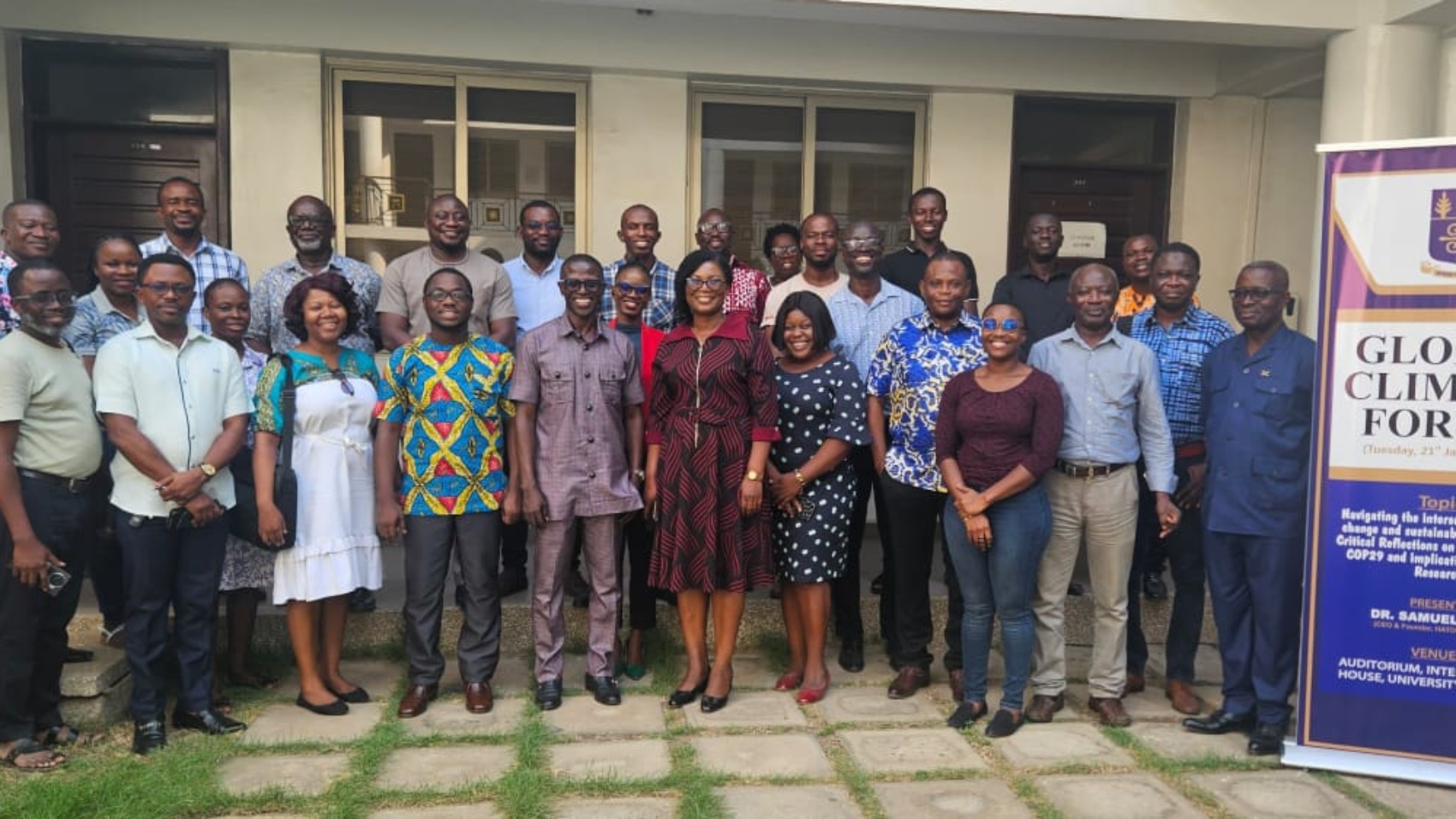
DR. DOTSE DELIVERS A KEYNOTE PRESENTATION ON GLOBAL CLIMATE FORUM

DR. DOTSE DELIVERS A KEYNOTE PRESENTATION ON GLOBAL CLIMATE FORUM

Accra, Ghana – January 21, 2025: Dr. Samuel Dotse, CEO of HATOF Foundation and a
climate change expert delivered a comprehensive presentation on the Global Climate Forum
at the Institute for Environment and Sanitation Studies (IESS) in Accra, Ghana.
Dr. Dotse’s presentation, titled “Navigating the Intersection of Climate Change and
Sustainable Development: Critical Reflections on the Outcomes of COP29 and Implications
for Future Research,” took the audience on a journey through the origin of climate change
negotiations, the objectives of the United Nations Framework Convention on Climate
Change (UNFCCC), and the Conference of Parties (COP) negotiation process.
He also explored the critical nexus between climate change and sustainable development,
highlighting the urgent need to rethink economic growth and ways to integrate scientific
research findings into national policy.
He emphasized that research needs to be conducted now, more than ever, to refine the
country’s climate modeling frameworks, inform Ghana’s negotiation position, and enhance
Intergovernmental Panel on Climate Change (IPCC) reports on Ghana and the continent.
Dr. Dotse’s presentation also delved into the outcomes of COP29, emphasizing the
implications for research and academic communities. His presentation was met with
enthusiasm and appreciation from the audience, comprising students, lecturers,
policymakers, and researchers across the country.
Emphasizing the need for collective action in addressing climate change, he invited students
and researchers to collaborate with the HATOF Foundation and explore opportunities for
mobilizing climate finance.
The HATOF Foundation is a Ghanaian-based international environment NGO promoting
sustainable development and human well-being through policy advocacy, knowledge
exchange, project management, capacity building and training, and technical assistance.

HATOF CONDUCTS TRAINING FOR HOHOE SMES ON ADAPTING TO CLIMATE CHANGE IMPACTS

HATOF CONDUCTS TRAINING FOR HOHOE SMES ON ADAPTING TO CLIMATE CHANGE IMPACTS

Available statistics indicate that the primary economic activities in Hohoe Municipality are agriculture, forestry, fisheries, wholesale and retail trade, and manufacturing, which collectively employ 70% of the local population.

However, Small and Medium Enterprises (SMEs) in the area are increasingly threatened by climate change. These threats could lead to business failures and exacerbate local poverty if left unaddressed.

In response, the HATOF Foundation conducted a training workshop on August 14 and 15, 2024, for SMEs in Hohoe Municipality, focusing on how to adapt to the impacts of climate change. This initiative aimed to enhance the skills of local business owners to mitigate the risks posed by climate change effectively.

The workshop attracted over fifty participants from various sectors, including beauty, fashion design, hospitality, and small-scale trading. Attendees learned about climate change, its causes, effects, and implications for their businesses.

The facilitator, Ms. MaryJane Enchill, also outlined three types of climate-related risks: physical risks (such as floods, droughts, and wildfires), transition risks (increased costs due to climate regulations), and liability risks (stemming from non-compliance with evolving legal standards).

Despite the challenges presented by climate change, it was emphasized that there are also opportunities for SMEs. Sectors like agribusiness, retail, food and beverage, and handmade products can leverage climate change to create new business growth, generate jobs, and stimulate economic revitalization.

The workshop concluded with the recognition that every business faces some physical, transitional, or liability risk.

While regulatory concerns may affect some, the potential for asset loss due to physical threats is significant.

SMEs are encouraged to incorporate climate risk considerations into their business plans, conduct regular impact assessments, and collaborate with insurers and local governments to manage these risks effectively.

HATOF Foundation and Partners Launch Campaign Against Methane Emission in Ghana (CAMEG)

HATOF Foundation and Partners Launch Campaign Against Methane Emission in Ghana (CAMEG)

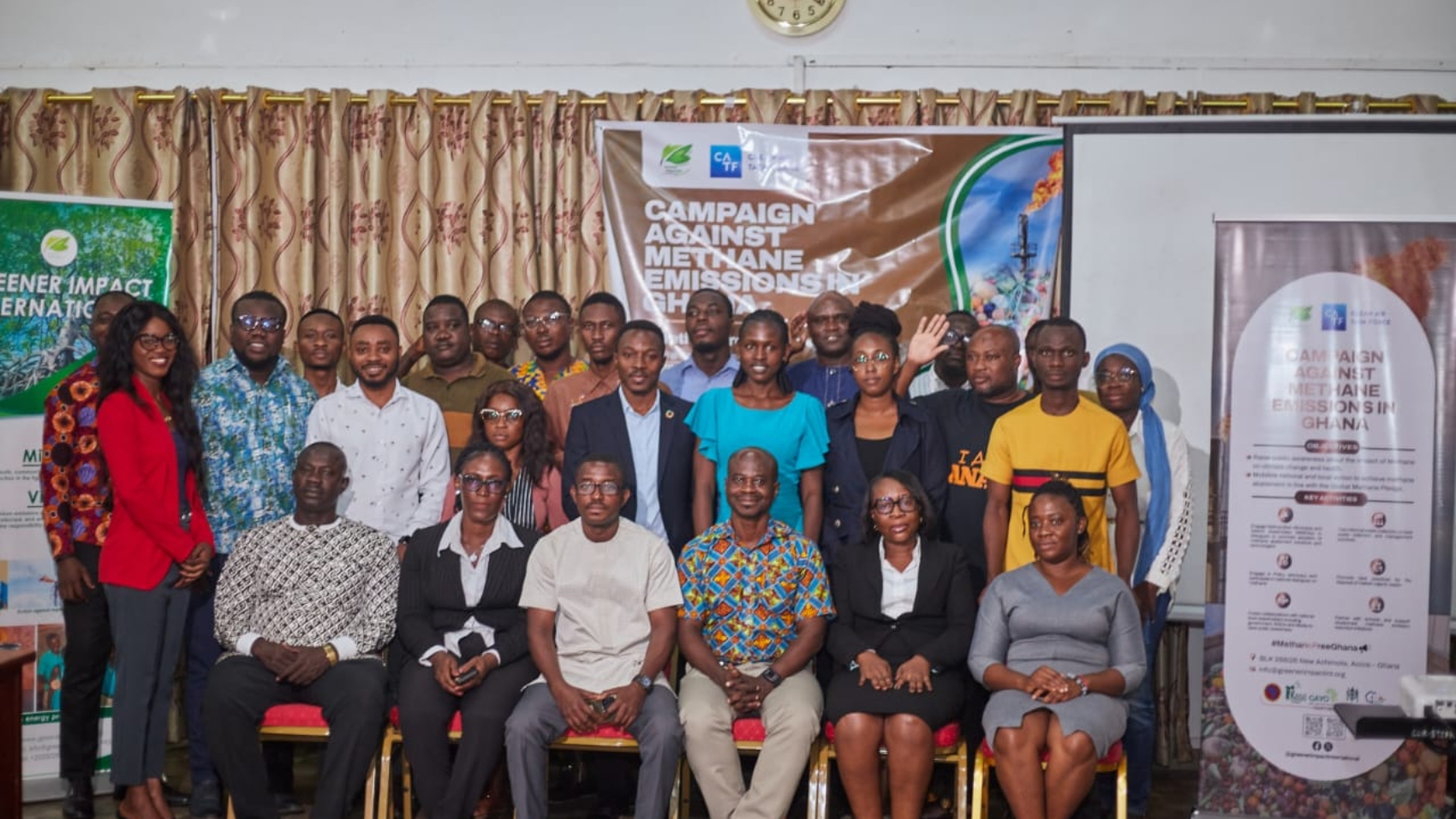
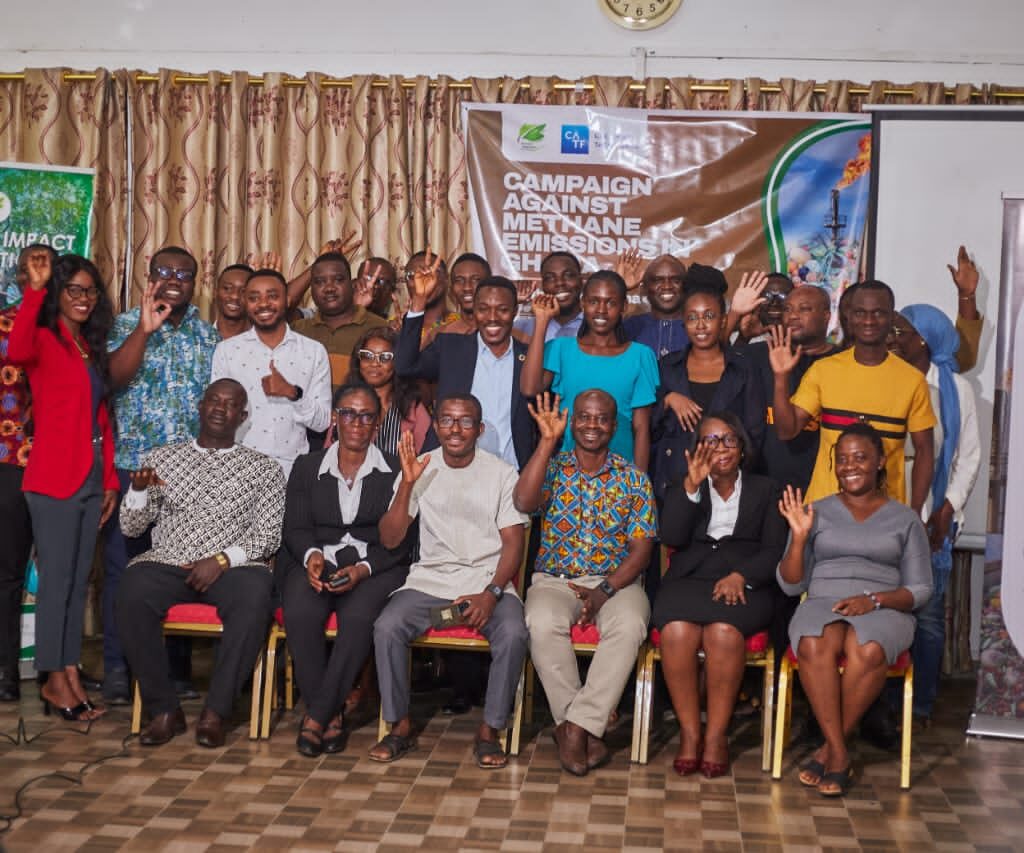
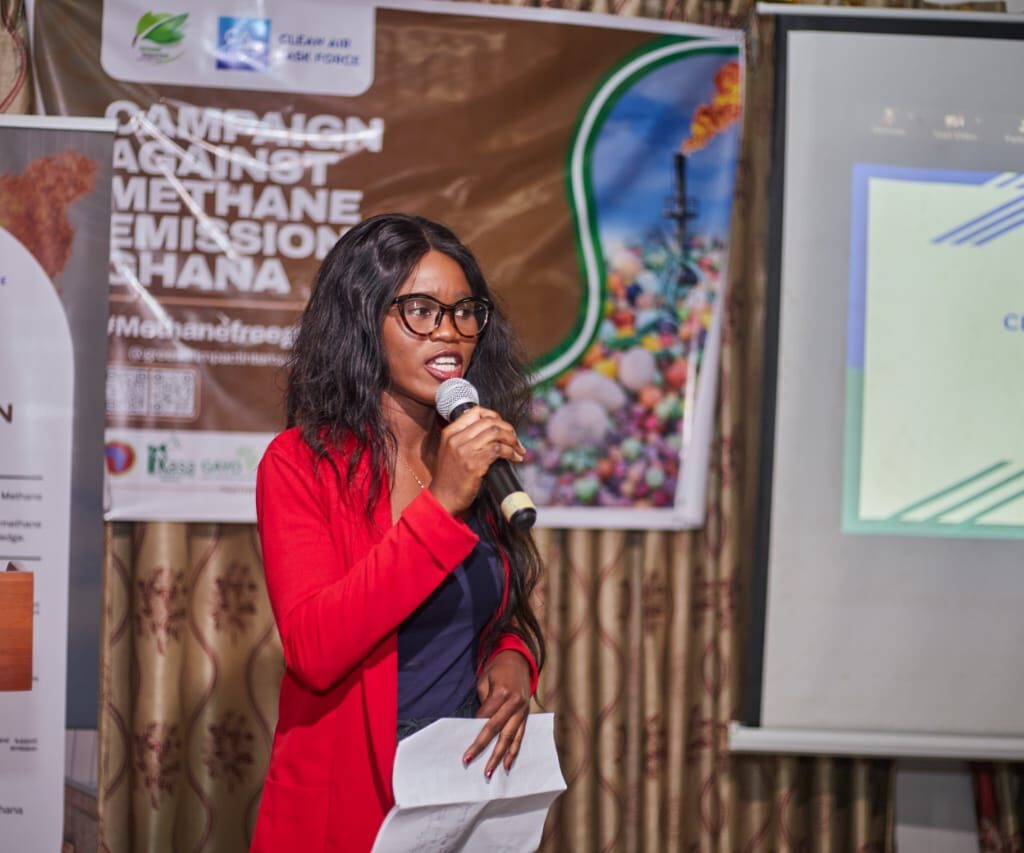
On 6th August 2024, the HATOF Foundation and its partners launched the “Campaign Against Methane Emission in Ghana (CAMEG) to raise awareness about the impact of methane on climate change and health and to mobilize national and local action against methane emissions in Ghana.

The Campaign Against Methane Emissions follows a successful capacity development program for 40 civil society organizations (CSOs) in Ghana’s Greater Accra Region on methane action in December 2023, which laid the groundwork for the campaign.

Climate change is a major global challenge, with methane emissions from fossil fuel extraction, livestock digestion, rice cultivation, landfills, and wastewater treatment being the most potent greenhouse gases—thus 86 times more potent than carbon dioxide in contributing to global warming.

At COP26 in Glasgow, countries representing 45% of global methane emissions pledged to reduce emissions by 30% by 2030, below 2020 levels.

HATOF Foundation and Partners Launch Campaign Against Methane Emission in Ghana (CAMEG)

Following the global methane pledge, Ghana has also made significant policy interventions, including the national action plan to mitigate short-lived climate pollutants to address methane emissions.

The campaign therefore aims to promote actions that reduce methane emissions from energy, waste, and agriculture and contribute to Ghana’s climate change mitigation goals and the global methane pledge through partnerships with national civil society organizations and government agencies.

Already, HATOF has collaborated with Lancaster University UK, CSIR-IR, Sewerage Systems, and Green Advocacy Ghana to develop anaerobic digestion demonstrator systems in Ghana for electricity, sustainable fertilizer for crops, and sanitation improvements.

HATOF led a series of knowledge management and awareness-raising activities on climate action and emissions reduction potential of bioenergy technologies, such as the biodigester, through social mobilization from the community to national levels and environmental campaigns within the school system.

The partnership with Greener Impact International on Clean Air Taskforce funded campaign continues to demonstrate HATOF’s commitment to empowering local communities with knowledge and innovative solutions to reduce emissions, promote sustainable waste management practices, and mitigate the negative impact of climate change on the environment and human health.

HATOF Foundation and Partners Launch Campaign Against Methane Emission in Ghana (CAMEG)